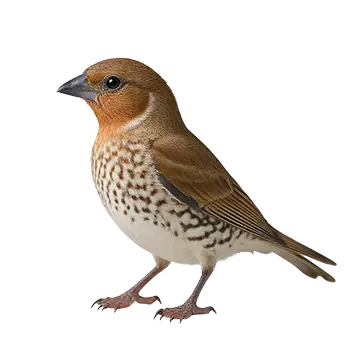

Feeding an adult Spice Finch correctly is straightforward in principle but requires attention to detail to ensure long-term health. These birds are primarily granivorous, with seeds forming the backbone of their diet in both captive and wild settings. However, a seed-only diet is nutritionally incomplete and will gradually undermine the bird's health over months and years. The goal is a balanced regimen that combines a quality seed mix with regular supplementation of fresh foods, protein sources, and minerals.
The core seed mix should consist of small millets, including white proso millet, Japanese millet, and panicum, along with canary seed and a small proportion of niger or thistle seed. Commercial finch seed blends marketed for munias and estrildid finches generally provide an appropriate base. Avoid mixes that are heavy in sunflower seed or safflower, as these are too high in fat for the Spice Finch's modest energy requirements and can lead to obesity over time. The seed should be fresh, with a visible sheen and a clean, slightly sweet smell. Stale or dusty seed has reduced nutritional value and may harbor mold spores.
Daily fresh food offerings round out the diet and provide vitamins, minerals, and phytonutrients that seed alone cannot deliver. Leafy greens such as romaine lettuce, dandelion leaves, chickweed, and kale should be offered every day. Seeding grasses, gathered from pesticide-free areas, are an especially naturalistic and well-accepted food source that also provides enrichment as the birds strip the seed heads. Small amounts of finely grated carrot, broccoli florets, or cucumber can be rotated in for variety. Remove any uneaten fresh food within a few hours to prevent spoilage.
Protein supplementation is important even for non-breeding adult Spice Finches, particularly during the annual molt when the metabolic demands of feather replacement are elevated. Egg food, offered two to three times per week outside of breeding season and daily during the molt, provides the amino acids needed for quality feather production. A cuttlebone and a mineral block should be available in the enclosure at all times, providing calcium and trace minerals. Clean, fresh water must be replenished at least twice daily, as finches tend to contaminate their water dishes with seed hulls and droppings throughout the day.