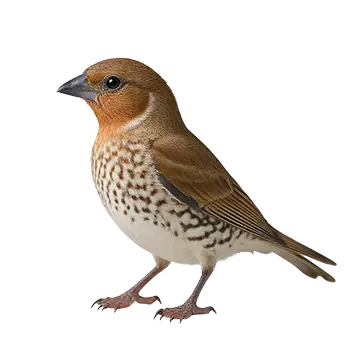

The transition from manageable senior health challenges to terminal decline can be gradual or sudden in Spice Finches. Understanding what distinguishes a treatable condition from an irreversible trajectory is one of the most difficult but most important skills a keeper can develop. Terminal decline is not defined by a single symptom but by a pattern of worsening indicators that no longer respond to treatment or supportive care.
The most reliable early sign of terminal decline is a sustained, progressive weight loss that does not respond to dietary intervention. When a senior Spice Finch continues to lose weight despite access to enriched food, soft seeds, egg food, and other easily consumed nutrition, the underlying cause is often organ failure, advanced neoplastic disease, or systemic infection that has overwhelmed the bird's remaining physiological reserves. Weight loss at this stage reflects the body's inability to process or utilize nutrients, not merely a failure to eat enough.
Behavioral withdrawal becomes increasingly pronounced as a bird enters its final decline. The bird may stop interacting with flock mates, cease vocalizing, and spend extended periods sitting in one spot with feathers fluffed and eyes partially or fully closed. Self-maintenance behaviors such as preening and bathing diminish and eventually stop. The bird may lose the ability to perch securely, shifting to the cage floor or resting in a food dish. These behavioral changes reflect both physical exhaustion and the systemic collapse that accompanies end-stage illness.
Breathing changes are another hallmark of terminal decline. A bird with progressive respiratory compromise may exhibit persistent tail bobbing, open-mouth breathing, audible wheeze or rattle, and visible effort with each breath. In birds with internal tumors or organ enlargement, abdominal distension can compress the air sacs and further restrict respiratory capacity. Breathing difficulties cause significant distress and are among the most important factors in assessing whether the bird's quality of life has fallen below an acceptable threshold.
It is important to distinguish terminal decline from a treatable acute illness. A bird that becomes suddenly ill may look critically unwell but respond dramatically to appropriate veterinary treatment. For this reason, any Spice Finch showing signs of serious illness should be evaluated by an avian veterinarian before concluding that the decline is irreversible. The veterinarian can help determine whether there are remaining treatment options or whether the kindest course of action is to transition to palliative care.