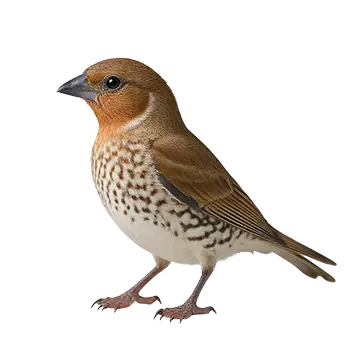

Recognizing the Signs of Aging

Spice Finches typically enter their senior years around four to five years of age, though the onset of aging varies depending on genetics, diet, husbandry quality, and overall health history. Because these birds are small and stoic by nature, the early signs of aging can be subtle and easily overlooked. Learning to recognize the gradual changes that mark the transition from prime adulthood to the senior stage is essential for adapting care before problems become entrenched.

One of the earliest visible indicators is a change in feather quality. Senior Spice Finches may produce feathers that are slightly duller, less tightly structured, or slower to replace during the annual molt. The molt itself may take longer to complete, stretching beyond the typical six-to-ten-week window, and may leave the bird looking somewhat ragged for an extended period. These changes reflect declining metabolic efficiency and reduced capacity for the protein-intensive process of feather synthesis.

Activity levels gradually diminish as the bird ages. A senior Spice Finch will spend more time resting on its preferred perch and less time in active flight, foraging, or social interaction compared to its younger years. The bird may still participate in flock activities but often at a reduced intensity, choosing to sit on the periphery rather than in the middle of communal bathing or feeding events. While some decrease in activity is normal, a sudden or dramatic decline warrants investigation, as it may signal an acute health problem rather than simple aging.

Physical changes may also become apparent on close observation. The beak and nails may grow faster or more irregularly as the bird ages, sometimes requiring more frequent trimming. The feet and legs may show increased scaliness or dryness. Some senior finches develop a slightly hunched posture or hold their feathers in a more relaxed, less sleek position than younger birds. Weight changes in either direction, gradual weight loss from muscle wasting or weight gain from reduced activity, should be monitored through regular weigh-ins.

Dietary Adjustments for Aging Birds

The nutritional needs of senior Spice Finches shift in ways that, if unaddressed, can accelerate the decline associated with aging. Older birds have reduced metabolic rates, less efficient nutrient absorption, and decreased muscle mass compared to adults in their prime. Adjusting the diet to accommodate these changes helps maintain body condition, supports organ function, and contributes to a better quality of life in the final years.

The seed mix for a senior finch should emphasize smaller, easier-to-hull seeds that require less physical effort to process. White millet, canary seed, and fine-grade panicum are well suited to older birds whose beak strength and husking efficiency may be diminished. Reduce or eliminate high-fat seeds such as niger and hemp from the daily mix, as the lower activity levels of senior birds mean these calorie-dense seeds can contribute to unhealthy weight gain. If the bird is underweight, however, a modest increase in caloric density may be appropriate, guided by regular weight monitoring.

Sprouted and soaked seeds become even more valuable for senior birds than for younger adults. The softened texture of sprouted seeds is easier to process, and the enhanced nutritional profile, including elevated protein, vitamin, and enzyme content, helps compensate for the reduced absorption efficiency of the aging digestive system. Offer sprouted seeds daily if the bird accepts them, and ensure they are fresh and free of mold, as immune-compromised senior birds are more vulnerable to foodborne pathogens.

Protein supplementation through egg food should continue throughout the senior years. Muscle wasting is a common feature of aging in small birds, and adequate dietary protein helps slow this process. Offer egg food at least three to four times per week, or daily during the annual molt. Fresh greens, finely chopped or grated vegetables, and small amounts of fruit provide vitamins and antioxidants that support immune function and cellular health.

Calcium supplementation deserves particular attention in senior finches. Bone density can decline with age, and older hens that have been through multiple breeding cycles may have significantly depleted calcium reserves. Maintain cuttlebone and mineral block access at all times, and consider adding a liquid calcium supplement to the drinking water if the bird is not consuming adequate mineral sources from the cuttlebone. Ensure that full-spectrum lighting is provided to support vitamin D synthesis, which is essential for calcium absorption.

Environment Modifications for Senior Birds

Adapting the housing environment to accommodate the physical limitations of an aging Spice Finch can significantly improve the bird's comfort and safety during its senior years. Changes that seem minor to the keeper, such as perch placement, food accessibility, and temperature management, can make a substantial difference for a bird whose mobility and thermoregulatory capacity are declining.

Perch arrangement is one of the most impactful modifications. Senior Spice Finches may have reduced grip strength, stiffness in the feet or legs, or arthritic changes that make navigating steep inclines or wide gaps between perches difficult. Lower the primary perches to reduce the distance and effort required for the bird to move between its resting spot, its food, and its water. Choose perches with a slightly wider diameter than standard, as broader surfaces distribute the bird's weight more evenly across the foot and reduce pressure on individual toes. Wrapping perches with a layer of veterinary wrap or self-adhesive bandage provides a softer, grippier surface for birds with compromised foot health.

Food and water placement should be adjusted so that the senior bird does not need to fly or climb extensively to reach essential resources. Position dishes near the bird's preferred perch, at a height that allows easy access without requiring the bird to descend to the floor, which can be difficult for a bird with limited mobility to return from. If the bird is part of a flock, ensure that the modified access point is not monopolized by younger, more dominant birds.

Temperature management becomes more critical as birds age. Senior Spice Finches may lose some of their thermoregulatory efficiency, making them more susceptible to cold stress. Maintain the room temperature at the warmer end of the acceptable range, ideally 75 to 80 degrees Fahrenheit, and ensure the bird's preferred resting area is free from drafts. A ceramic heat emitter positioned above the cage can provide supplemental warmth without disturbing the light cycle. Observe the bird's behavior for signs of thermal discomfort. A cold bird will fluff its feathers and tuck one foot up into its belly feathers, while an overheated bird will hold its wings away from its body and pant.

Consider whether the senior bird should remain in the main flock enclosure or be housed in a smaller, quieter setup. In many cases, keeping the bird with its flock is beneficial for its psychological well-being, as Spice Finches are deeply social and can become stressed when isolated. However, if younger flock members are aggressively displacing the senior bird from food, water, or roosting sites, a separate but adjacent cage allows the bird to maintain visual and auditory contact with the flock while having uncontested access to resources.

Geriatric Health Conditions

Senior Spice Finches are susceptible to a range of age-related health conditions that are uncommon or rare in younger birds. Awareness of these conditions and their early signs allows for timely veterinary intervention, which can extend the bird's comfortable lifespan and prevent unnecessary suffering. Not every senior bird will develop every condition, but the probability of encountering at least one geriatric health issue increases significantly past the five-year mark.

Arthritis and degenerative joint changes are among the most common geriatric conditions in finches. Affected birds may shift their weight frequently, favor one foot, or show reluctance to grip perches firmly. In advanced cases, the bird may spend increasing time on the cage floor because perching has become painful. Anti-inflammatory treatment prescribed by an avian veterinarian can provide relief, and environmental modifications such as broader, padded perches and lowered food access points help the bird maintain mobility.

Hepatic lipidosis, or fatty liver disease, can develop in senior Spice Finches that have been maintained on high-fat diets or have had limited exercise throughout their lives. The liver accumulates excess fat, progressively impairing its function. Signs include overgrown or discolored beak and nails, feather color changes, abdominal distension, and lethargy. Blood work can confirm the diagnosis. Management involves dietary correction, with a shift toward low-fat seeds and increased fresh vegetables, along with liver-supportive supplements as recommended by the veterinarian.

Renal dysfunction becomes more common in aging birds. The kidneys lose efficiency over time, and birds with chronic low-grade dehydration or those fed diets excessively high in protein are at elevated risk. Increased water consumption, changes in urate color or consistency in droppings, and leg weakness from renal swelling pressing on the sciatic nerve are potential indicators. Renal issues in finches are difficult to manage but may be slowed with dietary adjustment and supportive care.

Tumors, both benign and malignant, occur with increasing frequency in geriatric finches. External tumors may present as visible lumps or masses under the skin, while internal tumors often manifest through nonspecific symptoms such as weight loss, abdominal distension, lethargy, or breathing difficulty. Diagnosis typically requires veterinary examination and may involve imaging. Treatment options are limited in birds this small, and the focus often shifts to palliative care aimed at maintaining comfort and quality of life for as long as possible.

Maintaining Social Connections

The social needs of senior Spice Finches do not diminish with age, and maintaining the bird's social connections is essential for its psychological well-being during the final stage of life. Isolation is profoundly stressful for a species that has evolved to live in close-knit flocks, and a lonely senior finch is likely to decline more rapidly than one that retains meaningful social contact.

Whenever possible, keep the senior bird with its established flock. The familiar presence of long-term companions provides a sense of security that cannot be replicated by human attention or environmental enrichment alone. Spice Finches that have been together for years often develop particular bonded relationships, sitting together on a favored perch, preening each other, and roosting side by side at night. Disrupting these bonds by removing the senior bird from the group causes distress for both the departing bird and its remaining companions.

If the senior bird must be separated from the flock for health reasons, such as requiring a specialized diet, a warmer environment, or protection from bullying by younger birds, maintain visual and auditory contact at all times. Position the individual cage directly adjacent to the flock enclosure, ideally with the cage bars touching so the birds can see, hear, and even sit near each other through the barrier. This arrangement preserves the social connection while allowing the keeper to control the senior bird's specific care requirements.

Pay attention to how the flock's social dynamics affect the senior bird. In some flocks, older birds retain their social position and continue to participate fully in group activities. In others, aging birds may be gradually marginalized as their activity levels decline and younger, more vigorous birds assume dominant positions. If the senior bird is being consistently excluded from communal roosting, displaced from feeding stations, or subjected to persistent chasing, intervention is necessary to protect its well-being.

The loss of a bonded companion is one of the most significant stressors a senior Spice Finch can experience. When a mate or long-term companion dies, the surviving bird may show signs of grief, including reduced appetite, increased vocalization or unusual silence, lethargy, and withdrawal from flock activities. Providing extra attention, maintaining routine, and ensuring the bird retains other social contacts within the flock can help ease the adjustment. Introducing a new companion to a grieving senior bird should be done cautiously, as the social disruption of an unfamiliar individual may add stress rather than comfort in the short term.

Monitoring Weight & Body Condition

Regular weight monitoring is one of the simplest and most informative tools available for managing the health of a senior Spice Finch. Because these birds are so small, even modest changes in body mass can represent significant shifts in health status. A consistent weighing routine provides objective data that reveals trends long before they become visually obvious, allowing for early intervention.

Establish a baseline weight for each senior bird and track it at least weekly, recording values in a dedicated log. Weighing should be done at the same time each day, ideally in the morning before the first feeding, to minimize variation caused by crop contents. A digital gram scale accurate to 0.1 grams is essential for this purpose, as standard kitchen scales lack the precision needed to detect meaningful changes in a bird that weighs between 10 and 14 grams. A healthy senior Spice Finch should maintain a relatively stable weight, with minor fluctuations of a few tenths of a gram being normal.

Gradual weight loss is one of the most common and concerning trends in aging finches. A slow downward trajectory over several weeks or months may indicate declining food intake, reduced nutrient absorption, chronic infection, organ dysfunction, or neoplastic disease. A weight loss of more than ten percent of the bird's baseline weight is clinically significant and warrants veterinary evaluation. Do not wait for the bird to appear visibly thin before seeking attention, as by the time muscle wasting is visible to the naked eye, the decline may be far advanced.

Conversely, weight gain in a senior bird with reduced activity can signal the accumulation of fat rather than the maintenance of muscle mass. Obesity in senior finches is problematic because it stresses the liver, heart, and joints, all of which may already be compromised by age-related changes. Palpation of the breast muscles along the keel bone provides a hands-on assessment that complements the scale reading. In a bird of healthy weight, the keel bone is palpable but cushioned by breast muscle on either side. A bird with a prominent, sharp keel is underweight, while a bird in which the keel is difficult to feel beneath a layer of fat is overweight.

Share your weight tracking data with your avian veterinarian at every visit. Longitudinal weight trends are among the most valuable pieces of information a vet can use when evaluating a geriatric patient. A single weight measurement tells relatively little on its own, but a chart showing the bird's weight trajectory over months or years provides a powerful diagnostic context that supports informed decision-making about diet, treatment, and quality of life.

Quality of Life Assessment

As a Spice Finch moves through its senior years, caregivers must periodically assess the bird's overall quality of life to ensure that its daily experience remains comfortable and meaningful. This assessment is not a one-time evaluation but an ongoing process that evolves as the bird's condition changes. The goal is to provide supportive care that maximizes comfort and dignity while being honest about the bird's trajectory.

Several observable markers contribute to a quality of life assessment. A bird that continues to eat with reasonable appetite, interact with flock mates, preen itself, bathe, and rest in a relaxed posture is generally experiencing an acceptable quality of life, even if its activity levels are reduced compared to its younger years. The bird does not need to be as active or vocal as a prime adult to have a good day. What matters is whether the bird is still engaging with its environment and showing interest in the routines that have defined its daily life.

Signs that quality of life may be declining include persistent refusal of food, inability to perch or maintain balance, chronic pain behaviors such as guarding a body part or vocalizing in distress, isolation from the flock despite being housed with companions, and cessation of self-maintenance behaviors such as preening and bathing. A bird that sits fluffed on the cage floor with closed eyes for extended periods, unresponsive to the activity of flock mates or the approach of a caregiver, is communicating that something is seriously wrong.

Consult your avian veterinarian when you observe a sustained decline in quality of life indicators. The veterinarian can help determine whether the bird's condition is treatable, manageable with palliative care, or progressing toward a point where further intervention may cause more suffering than relief. These conversations are difficult but important. Quality of life decisions should be guided by the bird's experience, not by the keeper's reluctance to face the reality of the bird's condition.

Keeping a simple daily or weekly journal of the bird's behavior, appetite, mobility, and social engagement provides a factual foundation for quality of life discussions. Human memory is unreliable when it comes to tracking gradual changes, and a written record helps both the keeper and the veterinarian see trends clearly. Note both good days and difficult days, and look for the overall balance. A senior bird that has mostly good days with occasional difficult ones is in a different situation than a bird whose difficult days now outnumber the good ones.

Always consult a qualified professional before making any health-related decisions. This content is provided for informational reference only and should not replace professional guidance specific to your animal.