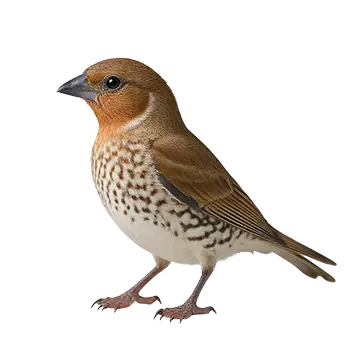

Pair Selection & Compatibility

Successful Spice Finch breeding begins long before the first egg is laid. Selecting a compatible, healthy pair is the foundation upon which everything else is built. While Spice Finches are generally willing breeders in captivity, not all pairings are equally productive, and the quality of the breeding stock directly influences the health and vigor of the offspring.

Sexing Spice Finches visually is notoriously difficult, as males and females are nearly identical in plumage. The most reliable visual distinction is behavioral. Males produce a soft, rapid warbling song accompanied by a characteristic body-swaying display, often while holding a piece of nesting material in the beak. Females do not sing, though they vocalize with contact calls and alarm notes. If visual and behavioral cues are insufficient, DNA sexing from a blood sample or a plucked feather provides a definitive answer. Accurate sexing is essential, as housing two males or two females together and expecting breeding results is a surprisingly common error.

Select breeding stock from unrelated lines whenever possible to maintain genetic diversity and reduce the risk of inbreeding depression, which can manifest as reduced fertility, smaller clutch sizes, increased chick mortality, and susceptibility to disease. If you are acquiring birds specifically for breeding, request information about the birds' lineage from the breeder or seller. In well-managed breeding programs, each pair is assigned a record that tracks parentage, clutch data, and any health history.

Both birds in the prospective pair should be in excellent physical condition before breeding is attempted. This means they should be at a healthy weight, fully feathered with no signs of active molt, free of visible parasites, and displaying normal activity levels and appetite. A pre-breeding veterinary examination, including a fecal screen and a general health assessment, is a worthwhile investment that helps ensure the pair is healthy enough to handle the physical demands of reproduction. Birds that are underweight, overweight, molting, or recovering from illness should not be bred until they have fully recovered.

Age is another consideration. Spice Finches can reach sexual maturity as early as three to four months of age, but breeding birds this young is inadvisable. The skeletal and muscular development of very young birds may not be complete enough to support the demands of egg production or chick rearing without health consequences. Most breeders recommend waiting until birds are at least nine to twelve months old before allowing them to breed, ensuring full physical maturity.

Breeding Condition & Pre-Breeding Nutrition

Bringing a pair of Spice Finches into peak breeding condition requires deliberate dietary and environmental preparation in the weeks leading up to the breeding season. This conditioning period primes the birds' reproductive systems, builds nutritional reserves, and increases the likelihood of fertile eggs, healthy embryonic development, and strong parental behavior.

Dietary enrichment is the cornerstone of breeding conditioning. Beginning four to six weeks before you plan to introduce breeding triggers, gradually increase the protein content of the diet. Daily egg food, sprouted seeds, and fresh greens should become staples rather than occasional supplements. The protein boost supports the development of the hen's reproductive tract and the cock's sperm production. Sprouted seeds are particularly valuable during conditioning because they contain elevated levels of vitamin E, which plays a direct role in reproductive health and fertility in birds.

Calcium supplementation must be intensified well before egg laying begins. The hen will draw heavily on her calcium reserves to form eggshells, and if those reserves are inadequate, she risks egg binding, soft-shelled eggs, and depletion that can cause seizures or death. Provide cuttlebone and mineral block access at all times, and consider adding a liquid calcium supplement to the drinking water. Crushed sterilized eggshell sprinkled over the egg food provides an additional calcium source that many hens readily consume.

Environmental cues play a significant role in triggering breeding readiness. Gradually increasing the photoperiod from 10 to 12 hours up to 13 to 14 hours of light per day simulates the lengthening days that signal the onset of the breeding season in the wild. Temperature stability, a quiet environment, and the introduction of nesting materials and nest sites further stimulate the birds' hormonal shift into breeding mode. The combination of nutritional conditioning and environmental triggers working together is more effective than either approach alone.

Observe the pair's behavior during the conditioning period for signs that they are entering breeding readiness. The cock will increase his singing frequency, perform his courtship display more often, and begin carrying nesting material to potential nest sites. The hen may become more vocal, show increased interest in nest sites, and begin soliciting the male with specific postures. When both birds are displaying these behaviors consistently, they are physiologically and behaviorally ready to breed.

Courtship, Nest Building & Egg Laying

The courtship behavior of the Spice Finch is subtle but distinctive. The male initiates courtship by perching near the female and delivering his song, a rapid, quiet series of clicking and buzzing notes that is barely audible from more than a few feet away. While singing, the male holds his body upright, fluffs his breast feathers, and sways rhythmically from side to side, often holding a long strand of grass or nesting fiber in his beak. This display serves both to attract the female and to demonstrate his fitness and nest-building intent. A receptive female responds by crouching, quivering her tail, and producing a soft solicitation call.

Nest building is a collaborative effort in Spice Finches, with both the male and the female contributing materials and construction labor. In the wild, these birds build large, domed nests in dense vegetation, and in captivity, they readily adopt wicker nest baskets, wooden nest boxes, or half-open nest platforms as foundations for their constructions. Provide a variety of nesting materials, including dried grass, coconut fiber, sisal, and soft feathers for lining. Avoid cotton threads, synthetic fibers, and long thin strands that can entangle toes or wrap around the necks of chicks.

Egg laying typically begins five to seven days after nest construction is completed, though the interval varies. The hen lays one egg per day, usually in the morning, until the clutch is complete. Clutch size in Spice Finches typically ranges from four to six eggs, though clutches as small as three or as large as eight have been recorded. The eggs are small, white, and unmarked. Some hens begin incubating immediately after laying the first egg, while others wait until the clutch is nearly complete. Early incubation leads to staggered hatching, where chicks emerge over several days, while delayed incubation produces more synchronous hatching.

During the laying period, the hen's nutritional demands are at their highest. Each egg represents a substantial investment of calcium, protein, and energy relative to the bird's body size. Ensure that the enriched breeding diet, particularly calcium and protein sources, is continuously available. Monitor the hen for signs of egg binding, a potentially fatal condition in which an egg becomes stuck in the reproductive tract. Symptoms include the hen sitting fluffed on the cage floor, straining, and showing an inability to perch normally. Egg binding is a veterinary emergency that requires immediate professional intervention.

Incubation & Parental Duties

Incubation in Spice Finches lasts approximately 12 to 14 days, with both parents sharing sitting duties. This biparental incubation is characteristic of the species and distinguishes them from some finch species in which only the hen incubates. The male typically takes over incubation during portions of the day, allowing the hen to leave the nest to eat, drink, bathe, and exercise. At night, both birds often sit together in the nest, providing consistent warmth to the developing eggs.

During the incubation period, minimize disturbances to the nesting pair. Avoid unnecessary nest inspections, sudden environmental changes, or introduction of new birds to the enclosure. While Spice Finches are generally tolerant of brief nest checks, excessive or clumsy intrusion can cause nervous birds to abandon the clutch. If you need to check the nest, do so quickly and gently when the sitting bird has voluntarily left to feed. Candling the eggs at around seven to eight days of incubation, by holding them up to a bright, focused light source, allows you to distinguish fertile eggs showing visible embryonic development from infertile ones, which remain clear.

The quality of the nest environment directly affects incubation success. The nest should be positioned in a quiet, sheltered area of the cage or aviary, away from high-traffic zones, direct light sources, and temperature extremes. The nest structure itself should be well constructed, with sufficient depth and insulation to maintain stable temperatures even when the sitting bird briefly departs. If the nest appears flimsy or poorly insulated, provide additional nesting material nearby so the parents can reinforce it.

As the hatch date approaches, you may be able to hear faint peeping from inside the eggs if you listen closely. The chicks use an egg tooth, a small, temporary projection on the upper beak, to pip through the shell. The hatching process can take anywhere from several hours to a full day per egg. Resist the temptation to assist a chick that appears to be struggling, as premature intervention can cause fatal bleeding from incompletely absorbed blood vessels in the shell membranes. The parents will remove shell fragments from the nest and begin feeding the newly hatched chicks within hours of hatching.

Parental behavior in Spice Finches is typically reliable, but first-time pairs may show hesitation or inconsistency in the initial hours after hatching. If the parents have not begun feeding the chicks within 12 to 18 hours of hatching, as evidenced by empty crops in the chicks, the situation requires assessment. Ensuring that soft, protein-rich foods such as egg food and sprouted seeds are readily available may encourage reluctant parents to begin feeding. In rare cases where the parents refuse to feed, fostering the chicks to an experienced pair of Society Finches is a well-established backup strategy in finch breeding.

Managing the Breeding Cycle

Spice Finches are prolific breeders that will produce multiple clutches per year if environmental conditions and food resources permit. While this reproductive enthusiasm is a testament to the species' adaptability, responsible management of the breeding cycle is essential to protect the health of the breeding pair, particularly the hen, and to prevent the production of more offspring than the keeper can properly house and care for.

Most avian veterinarians and experienced breeders recommend limiting Spice Finches to two or at most three clutches per breeding season. The physical demands of egg production, incubation, and chick rearing are cumulative, and a hen that is allowed to breed continuously without rest will gradually deplete her calcium reserves, lose body condition, and become increasingly susceptible to egg binding, organ stress, and immune suppression. The cock, while less physically taxed than the hen, also benefits from a defined breeding and resting cycle.

To control the breeding cycle, remove nesting sites and nesting material from the enclosure once the desired number of clutches has been raised. Reducing the photoperiod back to 10 to 11 hours of light per day helps suppress the hormonal drive to breed. Separating the sexes into same-sex groups during the rest period is the most reliable method of preventing additional clutches, though it is not always practical in a mixed-species aviary setting. Without these interventions, a healthy, well-fed pair of Spice Finches may attempt to breed year-round, cycling through clutch after clutch until the hen's health fails.

Record keeping is an integral part of responsible breeding management. Maintain detailed records for each pair, including dates of clutch initiation, number of eggs laid, fertility rates, hatch rates, number of chicks fledged, and any health complications. Over time, this data reveals patterns that inform breeding decisions, such as whether a particular pair consistently produces low fertility, whether certain bloodlines are prone to specific health issues, or whether the hen's productivity is declining with age. Well-maintained breeding records are also invaluable if you sell or trade offspring, as they provide provenance that responsible buyers and breeders value.

Common Breeding Complications

Even well-managed breeding programs encounter complications. Awareness of the most common problems and their early signs allows breeders to respond quickly, minimizing harm to the birds and improving outcomes. Some complications are preventable through proper husbandry, while others arise from factors beyond the breeder's control.

Egg binding is the most dangerous breeding complication in Spice Finches. It occurs when a fully formed egg cannot pass through the oviduct and become lodged in the reproductive tract. Risk factors include calcium deficiency, obesity, very young or very old hens, cold environmental temperatures, and excessively large or malformed eggs. A hen with egg binding will appear acutely distressed, sitting fluffed on the cage floor with a wide stance, straining visibly, and showing labored breathing. This is a time-sensitive emergency. Providing warmth and humidity, such as placing the bird in a warm, steamy environment, can sometimes facilitate passage, but veterinary assistance should be sought immediately.

Infertile eggs are a common frustration. A clutch in which none of the eggs develop after a full incubation period may result from an infertile male, unsuccessful mating, poor nutrition, or environmental stress. Before concluding that a bird is infertile, rule out correctable factors such as inadequate diet, incorrect sexing, or housing conditions that inhibit mating behavior. If infertility persists through multiple clutches despite optimal conditions, the birds may need to be re-paired with different mates.

Parental neglect, including failure to incubate consistently or refusal to feed hatched chicks, occurs most often with first-time breeding pairs. Inexperienced birds may be easily startled off the nest, may not recognize the feeding cues of newly hatched chicks, or may simply lack the hormonal drive to complete the breeding cycle. Patience is often warranted with first-time parents, as many pairs that fail with their first clutch go on to become reliable parents in subsequent attempts. If neglect is persistent, fostering eggs or chicks to an experienced pair provides a safety net.

Dead-in-shell, where embryos develop normally but fail to hatch, can result from humidity problems, temperature fluctuations, nutritional deficiencies in the breeding hen, or bacterial contamination of the egg. If dead-in-shell occurs across multiple clutches, evaluate the incubation environment and the hen's diet systematically. Humidity that is too low causes the egg membranes to dry and toughen, trapping the chick inside. Contaminated nesting material can introduce bacteria through the porous eggshell, killing the developing embryo. Addressing these factors typically resolves the problem for future clutches.

Ethical Considerations & Responsible Breeding

Breeding Spice Finches carries responsibilities that extend beyond the immediate care of the breeding pair and their offspring. Ethical breeding practices consider the welfare of every bird produced, the impact on the broader captive population, and the breeder's capacity to provide for the birds throughout their lives. Approaching breeding thoughtfully and deliberately is the hallmark of a responsible aviculturist.

Before initiating a breeding program, ensure you have a realistic plan for the offspring. Each clutch of Spice Finches may produce four to six chicks, and multiple clutches per season can quickly result in a substantial number of young birds. Identify potential homes, whether other breeders, pet keepers, or educational institutions, before breeding begins. Producing birds without a plan for their placement creates a surplus that often leads to birds being kept in overcrowded conditions, given away to unprepared owners, or worse. Responsible breeders breed to demand, not to capacity.

Genetic management is another dimension of ethical breeding. Avoid pairing closely related birds, as inbreeding narrows the genetic base of the captive population and can produce offspring with reduced vigor, fertility, and disease resistance. Maintain records of lineage and actively seek unrelated stock from other breeders to introduce fresh genetics. Participating in local or national avicultural societies provides access to a broader network of breeders and helps coordinate efforts to maintain a healthy captive gene pool.

The health and welfare of the breeding hen must be prioritized above production goals. A hen that is visibly stressed, losing weight, producing poor-quality eggs, or showing signs of calcium depletion should be retired from breeding immediately and given a full rest period with supportive nutrition and veterinary care as needed. Pushing a compromised hen to produce additional clutches is harmful to the bird and unlikely to produce healthy offspring.

Consider the broader context of the species in aviculture. Spice Finches are abundant in the wild and well established in captivity, so breeding does not carry the conservation urgency associated with endangered species. This makes it even more important to breed deliberately and avoid contributing to an oversupply of birds that may end up neglected or abandoned. Quality should always take precedence over quantity, with the goal of producing well-socialized, healthy birds that will thrive in their future homes.

Always consult a qualified professional before making any health-related decisions. This content is provided for informational reference only and should not replace professional guidance specific to your animal.