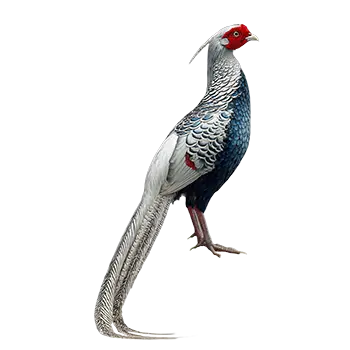

Silver Pheasant chicks hatch after an incubation period of approximately 24 to 25 days, emerging as small, downy precocial birds that are far more independent at birth than many psittacine species. Unlike parrots or songbirds, pheasant chicks are covered in a dense coat of cryptically patterned down from the moment they leave the egg, and their eyes are open almost immediately. A newly hatched Silver Pheasant chick typically weighs between 18 and 24 grams depending on egg size and incubation conditions. Despite their apparent readiness, these chicks remain extremely vulnerable to temperature fluctuations, predation, and dehydration during the critical first day of life.
In a hen-raised clutch, the mother will remain on the nest until all viable eggs have hatched, brooding early arrivals while the remaining eggs pip and emerge. During this waiting period, the first-hatched chicks subsist on the remnants of their absorbed yolk sac, which provides adequate nutrition for roughly 24 to 48 hours. This built-in reserve means there is no urgency to introduce food immediately, but access to fresh, shallow water should be available as soon as the chicks are moved from the nest or hatcher to their rearing environment.
For keepers who are brooder-raising Silver Pheasant chicks, the transition from incubator to brooder should happen once the chick is fully dry and fluffy, usually within six to twelve hours post-hatch. The brooder should be preheated and stabilized before placing the chick inside. Avoid handling newly hatched chicks more than necessary, as excessive stress during this period can suppress the immune system and reduce vigor. Brief, gentle handling to assess the navel area for proper closure and to confirm the chick is alert and responsive is appropriate.
Watch for chicks that seem unable to stand, hold their heads up, or orient themselves within the brooder. While Silver Pheasant chicks are generally robust compared to many gallinaceous species, splay leg and curled toes can occur if the brooder substrate does not provide adequate traction. A textured, non-slip surface such as paper towels over rubber shelf liner gives the chicks the grip they need to develop proper leg strength from their very first steps.