
Aviary Design and Long-Term Housing

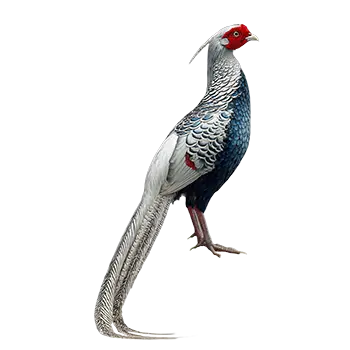
An adult Silver Pheasant in its prime years requires an aviary that balances security, space, environmental enrichment, and ease of maintenance. While these birds are considered among the hardier and more adaptable pheasant species in aviculture, providing an enclosure that meets their physical and behavioral needs is the foundation of good long-term husbandry. A well-designed aviary reduces stress, minimizes injury risk, and allows the birds to express the full range of natural behaviors that contribute to both physical and psychological wellbeing.

The minimum recommended aviary size for a pair or trio of adult Silver Pheasants is approximately 200 square feet of floor space with a height of at least 7 to 8 feet. Larger enclosures are always preferable, particularly if the birds are maintained in groups. Silver Pheasants are active ground foragers that cover considerable distance in their daily movements through the wild mountain forests of Southeast Asia, and an aviary that restricts this movement leads to boredom, obesity, and stress-related behaviors such as feather picking and repetitive pacing. Length is more valuable than width for pheasant enclosures, as the birds prefer to run along a corridor rather than navigate a square space.

The enclosure roof should be constructed from soft, knotless netting rather than rigid wire or solid panels. Silver Pheasants, like most gallinaceous birds, flush vertically with explosive force when startled, and a hard ceiling can cause fatal head injuries. The netting should be taut enough to prevent sagging that could entangle a bird but flexible enough to absorb the impact of an upward flush. Check the netting regularly for wear, rodent damage, or areas where weathering has weakened the material, and replace compromised sections immediately.

Landscaping within the aviary is not merely aesthetic but functionally important. Dense plantings of shrubs, ornamental grasses, and bamboo provide visual barriers that allow subordinate birds to escape the line of sight of dominant individuals, reducing social stress. Ground cover such as leaf litter, wood chips, or low-growing vegetation gives the birds substrate to scratch and forage through, occupying significant portions of their day with natural behavior. Elevated perches of varying diameters and heights offer roosting options and exercise opportunities. Ensure that at least one sheltered roosting area is positioned high enough for the birds to feel secure from ground-level disturbances at night.

Drainage is a critical but frequently underestimated element of aviary design. Silver Pheasants are susceptible to bumblefoot and other foot infections when forced to stand on consistently wet or muddy substrate. The aviary floor should be graded to prevent water pooling, and high-traffic areas near feeders and waterers may benefit from a base of pea gravel or sand that drains freely and can be periodically replaced or sanitized.

Adult Nutrition and Dietary Management

Feeding an adult Silver Pheasant is less intensive than managing the complex nutritional demands of a growing chick or juvenile, but it requires consistent attention to balance, quality, and seasonal variation. The foundation of the adult diet should be a commercially formulated gamebird maintenance pellet or crumble with a protein content of approximately 14 to 16 percent during the non-breeding season. This base feed provides the essential amino acids, vitamins, and minerals that the birds need to maintain body condition, feather quality, and immune function throughout the year.

Supplemental foods play an important role in both nutrition and enrichment. Adult Silver Pheasants in the wild consume a remarkably varied diet that includes seeds, grains, berries, tender shoots, leaves, roots, insects, earthworms, and small invertebrates. Replicating this diversity in captivity keeps the birds engaged in natural foraging behaviors and ensures they receive a broad spectrum of micronutrients that may not be fully represented in processed feeds. Scatter chopped greens such as romaine lettuce, kale, dandelion greens, and clover across the aviary floor rather than placing them in a dish to encourage ground foraging. Seasonal fruits including grapes, blueberries, chopped apple, and melon are readily accepted and provide natural sugars and antioxidants.

Calcium management is important for adult Silver Pheasants of both sexes but becomes critical for laying females. Provide a constant supply of crushed oyster shell or limestone grit in a separate dish alongside the regular feed. Females draw heavily on calcium reserves during egg production, and inadequate calcium intake can lead to soft-shelled or shell-less eggs, egg binding, and long-term skeletal weakness. Males also benefit from calcium supplementation to maintain strong bones and feather structure, though their requirements are lower outside of the demanding annual molt.

Fresh water must be available at all times and should be changed at minimum once daily, more frequently during warm weather or if contamination is visible. Adult Silver Pheasants are less prone to drowning than chicks, so deeper waterers and open troughs are acceptable. However, water hygiene remains paramount, as contaminated drinking water is a primary vector for bacterial and protozoal infections. In winter, heated waterers or frequent manual checks are necessary to prevent freezing, as even short periods without water access can cause dehydration and stress in cold weather.

The Annual Molt

The annual molt is one of the most physiologically demanding events in an adult Silver Pheasant's year and requires careful management from the keeper. Occurring typically in late summer or early autumn after the breeding season concludes, the molt involves the systematic replacement of worn feathers with new growth over a period of several weeks to months. During this time, the bird's metabolic demands increase substantially, and its appearance may seem ragged or patchy as old feathers are shed and new ones emerge. Understanding the molt process helps keepers provide appropriate support and avoid unnecessary alarm at what is an entirely normal biological cycle.

The sequence of feather replacement in Silver Pheasants follows a predictable pattern. Body contour feathers are generally molted first, followed by the wing flight feathers, and finally the long tail feathers. Male Silver Pheasants may appear particularly disheveled during the molt because the contrast between their brilliant white adult plumage and the emerging pin feathers and feather sheaths is visually dramatic. The males' elongated central tail feathers, which can exceed two feet in length, are among the last to be replaced and take the longest to regrow fully, sometimes requiring two to three months from the time the old feather is shed until the replacement reaches full length.

Nutritional support during the molt should include a temporary increase in dietary protein to approximately 18 to 20 percent. This can be achieved by transitioning to a higher-protein gamebird feed or by supplementing the maintenance diet with additional protein sources such as mealworms, scrambled eggs, or commercial insect-based supplements. Feather keratin is composed almost entirely of protein, and the simultaneous production of hundreds of new feathers places extraordinary demands on the bird's amino acid reserves. Methionine and cysteine, both sulfur-containing amino acids, are particularly important for feather quality and can be supplemented through targeted products if feather development appears suboptimal.

Minimize stress during the molt whenever possible. This is not the time to introduce new birds, change enclosures, or perform non-urgent veterinary procedures. A molting bird's compromised feather coverage reduces its insulation and weather resistance, making it more susceptible to temperature stress. In cooler climates, ensure that molting birds have access to dry, sheltered roosting areas where they are protected from wind and rain. The molt is also a period of reduced flight capability for birds that have dropped primary or secondary flight feathers, so verify that all aviary security measures are functioning properly to compensate for the birds' temporarily diminished escape ability.

Seasonal Care and Weather Management

Silver Pheasants originate from montane and submontane forests across a wide geographic range in Southeast Asia and southern China, habitats that experience seasonal temperature variation, monsoon rains, and in some regions, cold winters at higher elevations. This evolutionary background gives captive Silver Pheasants a greater tolerance for temperature extremes than many tropical avian species, but responsible management still requires attention to seasonal conditions and proactive adjustments to housing, feeding, and health monitoring throughout the year.

During summer months, heat stress is the primary environmental concern. Although Silver Pheasants tolerate warm weather better than some northern pheasant species, sustained temperatures above 90 degrees Fahrenheit combined with high humidity can cause heat stress manifested by panting, wing drooping, lethargy, and reduced food intake. Provide ample shade within the aviary through natural vegetation, shade cloth, or solid roof panels over a portion of the enclosure. Misting systems or shallow water pans for wading offer additional cooling. Ensure that water supplies are checked and replenished multiple times daily during heat events, as consumption increases dramatically.

Winter management varies significantly depending on your geographic location. In temperate climates where temperatures routinely drop below freezing, Silver Pheasants generally cope well provided they have access to a dry, draft-free shelter with deep bedding where they can roost during the coldest nights. Their dense plumage provides excellent insulation when fully developed. However, the combination of wet and cold is far more dangerous than cold alone, as wet feathers lose their insulating properties and can lead to hypothermia. Keep shelter areas dry, and ensure that the aviary substrate drains well to prevent standing water and ice formation in high-traffic areas.

Spring brings its own management considerations as the breeding season approaches. Photoperiod changes trigger hormonal shifts that increase territorial behavior in males and bring females into reproductive condition. This is the time to evaluate body condition, adjust diets upward in protein and calcium in preparation for breeding, and finalize any changes to social groupings or enclosure arrangements before hormonal tensions complicate introductions. Spring is also when many external parasites become active again, so implement preventive monitoring early in the season before infestations establish.

Autumn typically coincides with the post-breeding molt and a gradual reduction in reproductive behavior and aggression. This is an excellent time for aviary maintenance and repairs, as the birds are generally calmer and more tolerant of disturbance. Conduct a thorough inspection of the enclosure, checking netting, mesh, shelter structures, and drainage systems for damage accumulated during the active summer months. Address any issues before winter weather makes repairs difficult or creates vulnerability to predators seeking shelter from the cold.

Behavioral Enrichment and Mental Stimulation

Adult Silver Pheasants are intelligent, observant birds that benefit significantly from environmental enrichment in captivity. In the wild, these birds spend the majority of their waking hours engaged in foraging, territorial patrol, social interaction, and predator vigilance across a home range that may span several acres of complex forest terrain. An aviary, no matter how well designed, cannot fully replicate this level of environmental complexity, so keepers must provide supplemental enrichment to prevent boredom and the behavioral pathologies that accompany it.

Foraging enrichment is the most effective and natural form of stimulation for Silver Pheasants. Rather than presenting all food in a single dish, scatter feeds across the aviary floor, hide treats under leaf litter or in shallow pits covered with substrate, and hang bunches of leafy greens or millet sprays from branches within the enclosure. These simple strategies transform passive food consumption into an active, time-consuming process that mirrors the bird's wild foraging ecology. Varying the type and location of enrichment items from day to day prevents habituation and maintains the novelty that drives engagement.

Environmental complexity serves as passive enrichment that benefits the birds continuously. A well-planted aviary with varied vegetation, terrain features, and visual barriers provides a constantly changing sensory environment as plants grow, leaf out, and change with the seasons. Logs, rocks, and brush piles offer surfaces to perch on, hide behind, and investigate. Rotating novel objects through the enclosure, such as large leaves, pine cones, or shallow trays of clean sand for dust bathing, introduces new textures and opportunities for exploration.

Dust bathing is an essential comfort behavior for Silver Pheasants and should be facilitated with a dedicated area of fine, dry sand or a mixture of sand and diatomaceous earth. Pheasants dust bathe to maintain feather condition, control ectoparasites, and as a social and comfort activity. A shallow pit or tray positioned in a sunny, sheltered area of the aviary will be used regularly and with visible enthusiasm. The dust bathing substrate should be replaced periodically to prevent the accumulation of droppings and feather debris that could harbor parasites or pathogens.

Social enrichment is inherent in group-housed birds but must be managed to ensure that it remains positive. For single birds or isolated pairs, the keeper's daily interactions serve as a form of social stimulation. Even relatively wild Silver Pheasants will learn to anticipate and respond to their keeper's routine, approaching during feeding times and observing activities within their line of sight. Consistent, calm interactions build familiarity and reduce the chronic low-level stress that comes with unpredictable disturbances.

Routine Health Monitoring

Maintaining the health of an adult Silver Pheasant over a lifespan that can extend to 15 or 20 years requires a systematic approach to preventive care and ongoing monitoring. While these birds are generally robust when provided with proper housing and nutrition, they are susceptible to the same range of infectious, parasitic, and metabolic conditions that affect gallinaceous birds broadly. A proactive health program that emphasizes regular observation, scheduled veterinary evaluations, and prompt response to anomalies minimizes the impact of health events and extends both the quality and length of the bird's life.

Daily visual observation is the cornerstone of health monitoring and should be conducted during the keeper's normal interaction with the birds. Note the posture, activity level, appetite, and droppings of each individual. A healthy adult Silver Pheasant is alert, moves freely with a smooth gait, has bright clear eyes, clean smooth-lying feathers outside of molt season, and produces well-formed droppings with a defined fecal component and white urate fraction. Any deviation from this baseline in an individual that has been consistently healthy warrants closer investigation.

Scheduled veterinary examinations should occur at minimum once annually, ideally timed in the autumn after the breeding season and molt are complete. The examination should include a thorough physical assessment, fecal analysis for parasites, and a body condition evaluation. Birds that appear to be gaining or losing weight outside of normal seasonal fluctuations may benefit from blood work to evaluate liver function, kidney function, and metabolic parameters. Establishing baseline blood values for each bird when it is healthy creates reference points that make early detection of developing problems much more reliable.

Parasite management continues to be a significant component of adult health care. Fecal monitoring every two to three months, with treatment based on demonstrated need rather than fixed calendars, minimizes the risk of drug resistance while ensuring that clinically significant burdens are addressed. External parasite checks should be performed at least monthly during warm weather and whenever a bird shows signs of excessive preening, feather damage in the absence of aggression, or irritation around the vent and facial areas.

Biosecurity practices protect not only the Silver Pheasants but any other avian species on the property. Dedicated footwear for the aviary area, hand washing before and after handling birds, quarantine protocols for any new additions, and limiting contact with wild bird populations reduce the risk of introducing diseases such as avian influenza, Newcastle disease, or Mycoplasma infections. In regions where reportable avian diseases are present in wild populations, stay informed about local alerts and adjust management practices accordingly.

Recognizing the Transition to Senior Years

Silver Pheasants in captivity can live well into their mid-teens and occasionally beyond, with documented lifespans approaching 20 years under optimal conditions. The transition from prime adulthood to senior status is gradual and occurs at different rates depending on the individual bird's genetics, health history, and management quality. Recognizing the subtle early signs that a bird is aging allows keepers to adjust care proactively rather than reactively, smoothing the transition into the senior phase and potentially extending the bird's comfortable, active years.

The most common early indicator of aging in Silver Pheasants is a gradual decline in activity level. A bird that was previously among the first to approach during feeding or that regularly patrolled the full extent of the aviary may begin to spend more time resting in preferred spots and show less enthusiasm for foraging and exploration. This reduction in activity can be so gradual that it goes unnoticed without careful ongoing observation, which is why maintaining behavioral notes over time is valuable for identifying trends that might not be apparent on any single day.

Plumage changes can signal the onset of aging, particularly in males. The annual molt may become less complete, with some feathers taking longer to regrow or emerging in slightly poorer condition than in previous years. The brilliant white of the male's plumage may develop a faintly yellowish cast in older birds, and tail feather length may decrease incrementally with successive molts. These changes are cosmetic rather than clinically significant, but they serve as visual markers of the bird's progression through its life stages.

Reproductive output typically begins to decline before other signs of aging become apparent. Females may lay fewer eggs per clutch, produce thinner-shelled eggs, or show reduced fertility rates. Males may display less vigorously or exhibit decreased interest in courtship behaviors. A decline in reproductive performance beginning around seven to ten years of age is normal for this species and should not be interpreted as a sign of illness unless accompanied by other symptoms. Keepers who maintain breeding records for individual birds can identify these trends and make informed decisions about breeding retirement timing.

Joint stiffness and reduced mobility may appear in older birds, particularly those housed on hard or uneven surfaces. Watch for changes in gait, reluctance to perch at previously favored heights, or difficulty navigating terrain features that the bird once traversed easily. Early intervention with perch modifications, softer substrate in resting areas, and anti-inflammatory support under veterinary guidance can significantly improve the comfort and mobility of aging Silver Pheasants.

Always consult a qualified professional before making any health-related decisions. This content is provided for informational reference only and should not replace professional guidance specific to your animal.