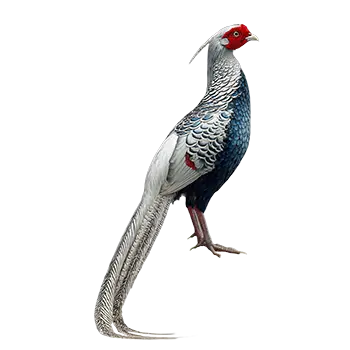

The move from a controlled brooder environment to an outdoor or semi-outdoor aviary represents one of the most significant transitions in a juvenile Silver Pheasant's life. This shift typically occurs between six and ten weeks of age, depending on weather conditions, the bird's feather development, and the security of the receiving enclosure. Rushing this transition exposes underdeveloped birds to temperature stress and predation risk, while delaying it unnecessarily can lead to overcrowding in the brooder and behavioral problems stemming from insufficient space and environmental complexity.
Before moving juvenile Silver Pheasants outdoors, ensure that the aviary is fully predator-proofed. These birds are ground roosters by instinct during their juvenile phase and are highly vulnerable to nocturnal predators such as raccoons, foxes, weasels, and rats. The enclosure should have welded wire mesh with openings no larger than one inch by one half inch along the lower three feet and a secure roof or overhead netting. Bury hardware cloth at least twelve inches deep around the perimeter or extend it outward in an apron to prevent digging predators from gaining access.
The transition itself should be gradual whenever possible. Begin by placing the juveniles in the aviary during warm, dry daytime hours and returning them to the brooder at night. Over the course of a week, extend the outdoor periods until the birds are spending full days outside. Once nighttime temperatures consistently remain above 50 degrees Fahrenheit and the juveniles are fully feathered, they can remain outdoors permanently with access to a dry, draft-free shelter or roosting area.
Provide ample cover within the aviary in the form of dense plantings, brush piles, or leaning branches. Juvenile Silver Pheasants rely heavily on cover for security and stress reduction. An aviary that is open and barren will produce anxious, flighty birds that are prone to injuring themselves against the enclosure walls during startle responses. Natural vegetation such as ornamental grasses, low shrubs, and bamboo clumps provides both physical hiding spots and a more enriching visual environment that encourages natural foraging and exploration behaviors.