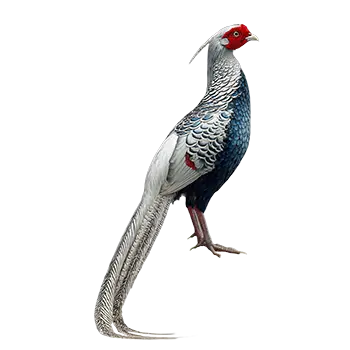

Silver Pheasants that have been well cared for in captivity can live 15 to 20 years, placing them among the longer-lived gallinaceous birds in aviculture. The senior phase generally begins around 10 to 12 years of age, although the onset of age-related changes varies considerably between individuals based on genetics, lifetime diet quality, disease history, and environmental conditions. Recognizing that your Silver Pheasant has entered its senior years allows you to shift your management approach from one focused on maintenance and productivity to one centered on comfort, monitoring, and adaptive care.
The aging process in Silver Pheasants manifests through a constellation of gradual changes rather than a single defining event. Metabolic rate declines, which affects everything from thermoregulation to wound healing. The immune system becomes less responsive, making the bird more susceptible to infections that it would have easily fought off in its prime. Organ function, particularly in the liver, kidneys, and heart, may begin to decline, sometimes without outward symptoms until the impairment is advanced. Understanding these systemic changes helps keepers appreciate why senior birds require more frequent monitoring and more prompt veterinary intervention than younger individuals.
Behavioral shifts are often among the first noticeable signs that a Silver Pheasant is aging. A bird that was once vigilant and reactive to environmental stimuli may become quieter and less responsive to sounds and movements around the aviary. The bird may spend more time resting in preferred sheltered spots and show less interest in exploring the full extent of its enclosure. Foraging activity may decrease in duration and intensity, with the bird preferring to eat from feeders rather than actively working through scattered food. These changes are normal components of aging and should not be cause for alarm unless they are accompanied by weight loss, abnormal droppings, or signs of pain.
Keepers who have maintained long-term behavioral records for their birds are at a significant advantage when assessing whether changes represent normal aging or the onset of a treatable condition. A gradual decline in activity level over months is characteristic of aging, whereas a sudden drop in activity within days to a week suggests illness. Having a documented behavioral baseline allows you and your veterinarian to make more informed decisions about when intervention is warranted and when the most appropriate response is simply to adapt the bird's environment to its changing needs.