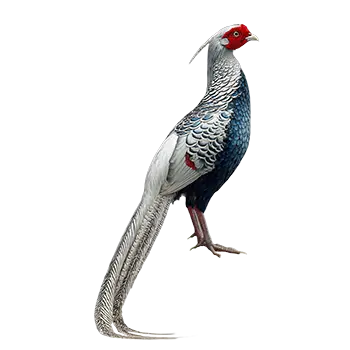

There comes a point in a Silver Pheasant's life when the accumulation of age-related decline, chronic disease, or acute illness signals that the bird has entered its final stage. Recognizing this transition is both a clinical assessment and an emotional reckoning for the keeper, particularly when the bird has been part of a collection for a decade or more. The signs that distinguish terminal decline from the manageable challenges of the senior years are not always clear-cut, but certain patterns emerge consistently and should be understood by anyone caring for an aging Silver Pheasant.
A progressive and irreversible loss of body condition is one of the most telling indicators that a bird is approaching the end of its life. Despite adequate food availability and even active attempts to hand-feed or provide supplemental nutrition, the bird loses weight, the keel bone becomes increasingly prominent, and the breast muscles waste visibly. This cachectic process reflects the body's inability to assimilate and utilize nutrients effectively, often driven by organ failure, widespread neoplasia, or systemic infection that has exceeded the immune system's capacity to contain it.
Behavioral withdrawal becomes more profound and sustained than the gradual slowing observed during normal aging. A Silver Pheasant in its final stage may cease responding to its keeper's approach, stop reacting to environmental stimuli that would normally elicit attention, and remain stationary in one location for extended periods. The bird may close its eyes for prolonged intervals during daylight hours, a behavior that in a healthy bird occurs only during sleep. Vocalization typically diminishes or ceases entirely, and the bird may show no interest in food, water, or the activities of companion birds nearby.
Physical signs of systemic failure vary depending on the underlying condition but may include labored or irregular breathing, abdominal distension from fluid accumulation or organ enlargement, persistent discharge from the nares or eyes, pronounced lameness or inability to stand, and a disheveled, unkempt appearance as the bird stops preening and maintaining its plumage. Any combination of these signs in a bird of advanced age or with known chronic health conditions should prompt a candid conversation with your avian veterinarian about the bird's prognosis and the most appropriate course of action.