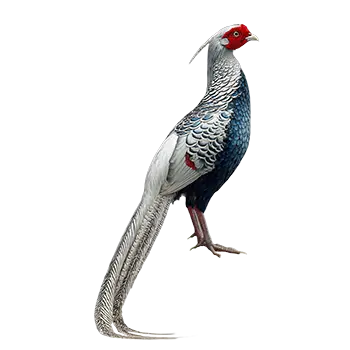
In their natural habitat, Silver Pheasants are opportunistic omnivores, consuming a varied diet that changes seasonally based on availability. Their wild diet includes seeds from grasses, bamboo, and trees, berries, fruits, shoots, green vegetation, insects, worms, snails, and other invertebrates. This diverse diet provides the range of nutrients necessary for health, plumage quality, and reproduction.
In captivity, a quality commercial game bird feed forms the foundation of a healthy diet. Game bird maintenance pellets or crumbles formulated for ornamental pheasants provide balanced nutrition with appropriate protein levels (typically 18-20% protein for maintenance, 22-24% for breeding birds). These complete feeds contain essential vitamins, minerals, and nutrients in proper proportions. Feed should be fresh, stored in a cool, dry location, and protected from rodents and moisture.
Supplementing commercial feed with whole grains adds variety and encourages natural foraging behavior. Scratch grains containing wheat, corn, milo, oats, and other seeds can be scattered in the aviary for birds to search out. Some keepers offer millet sprays, sunflower seeds in moderation, and other seeds as treats. However, grains should complement rather than replace complete feed, as a grain-only diet lacks essential nutrients.
Fresh greens and vegetables provide additional vitamins, minerals, and enrichment. Silver Pheasants enjoy chopped lettuce, kale, spinach, cabbage, Swiss chard, and other leafy greens. They also consume peas, corn, carrots, broccoli, and various garden vegetables. Fresh grass and weeds from pesticide-free areas can be offered. Vegetables should be fresh and cleaned, with uneaten portions removed daily to prevent spoilage.
Fruits offer natural sugars and variety, though they should be fed in moderation. Silver Pheasants appreciate berries, chopped apples, pears, grapes, melons, and other fruits. During breeding season, increased fruit consumption may provide extra energy. Remove uneaten fruit promptly to avoid attracting pests.
Protein supplementation becomes particularly important during breeding and molting seasons. Live or dried insects such as mealworms, crickets, and soldier fly larvae provide natural protein and encourage hunting behaviors. Hard-boiled eggs can be chopped and offered occasionally. Some keepers provide game bird grower feed with higher protein content (24-28%) during breeding season to support egg production and chick growth.
Calcium is essential for strong bones, eggshell formation, and overall health. Free-choice crushed oyster shell or calcium grit should always be available, allowing birds to consume what they need. During egg-laying, females' calcium requirements increase substantially. Cuttlebone can also be offered as an additional calcium source. Adequate calcium prevents soft-shelled eggs and egg binding.
Grit aids digestion, as birds need small stones in their gizzards to grind food. Insoluble grit (small stones) should be available free-choice in a separate dish from calcium grit. Birds typically regulate their grit intake naturally, consuming what they need. Fresh, clean water is the most critical dietary element. Silver Pheasants drink regularly throughout the day, and water availability affects feed consumption and overall health. Water containers should be cleaned and refilled daily, positioned in shaded areas to keep water cool in summer.
Foods to avoid include anything moldy, spoiled, or contaminated. Avocado is toxic to birds and must never be fed. Chocolate, caffeine, alcohol, salt, and heavily processed human foods are inappropriate. Onions and garlic in large quantities may cause health issues. Dried beans unless properly cooked can be toxic. Any plant material from unknown sources might be contaminated with pesticides or herbicides and should be avoided.
Treats and supplements should comprise no more than 10-20% of total diet, with the majority coming from complete commercial feed. Overfeeding treats can lead to nutritional imbalances and selective eating. Vitamin and mineral supplements are usually unnecessary with quality commercial feed unless recommended by a veterinarian for specific health concerns. During breeding season, some keepers offer vitamin E supplements to improve fertility and hatchability.