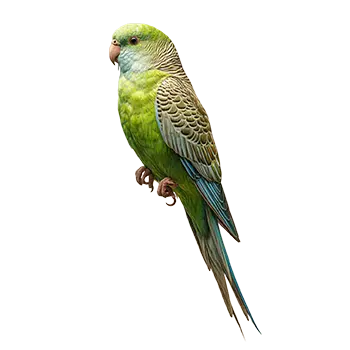
Proper nutrition is fundamental to maintaining the health, longevity, and vitality of Lineolated Parakeets. In their natural cloud forest habitat, these small parrots consume a varied diet consisting primarily of seeds from grasses and plants, fruits, berries, flowers, buds, and occasional insects or insect larvae. Replicating this nutritional variety in captivity requires careful planning and commitment from owners to provide balanced, species-appropriate nutrition.
The foundation of a captive Lineolated Parakeet's diet should be high-quality pellets specifically formulated for small parrots or parakeets. Pellets provide balanced nutrition with appropriate protein, vitamin, and mineral content, eliminating the nutritional deficiencies common with seed-only diets. Quality brands include Harrison's, Roudybush, TOP's, and HARI Tropican, among others. Pellets should comprise approximately 60-70% of the daily diet. When transitioning a seed-eating linnie to pellets, introduce them gradually over several weeks, mixing small amounts with seeds and slowly increasing the pellet proportion while decreasing seeds.
While seeds were once considered the staple diet for parakeets, nutritionists now recognize that seed-only diets lead to serious health problems including obesity, fatty liver disease, and nutritional deficiencies. However, seeds can comprise a portion of a balanced diet. A quality small parakeet seed mix containing millet, canary seed, and small amounts of oats can make up about 20-30% of the diet. Avoid mixes heavy in sunflower seeds or other high-fat seeds which contribute to obesity. Some owners find success sprouting seeds, which increases nutritional value and digestibility while reducing fat content.
Fresh vegetables are essential, providing vitamins, minerals, and beneficial plant compounds. Offer a variety daily, comprising approximately 15-20% of the diet. Excellent vegetables for linnies include leafy greens like kale, collard greens, dandelion greens, and romaine lettuce; colorful vegetables such as carrots, bell peppers, squash, and sweet potato; cruciferous vegetables including broccoli and cauliflower; and other options like snap peas, green beans, and corn. Wash all produce thoroughly and serve raw or lightly steamed. Chop into appropriately sized pieces for easy handling.
Fruits should be offered in moderation, comprising about 5-10% of the diet due to high natural sugar content. Suitable fruits include berries (blueberries, strawberries, raspberries), apple slices (remove seeds), pear, mango, papaya, melon, and grapes (cut in halves or quarters). Avoid avocado which is toxic to birds, and remove pits from cherries, peaches, and other stone fruits which contain harmful compounds.
Certain foods are toxic to parrots and must be strictly avoided. Never feed your Lineolated Parakeet chocolate, caffeine, alcohol, avocado, fruit pits and seeds containing cyanide, onions, garlic, excessive salt, or raw beans. Additionally, avoid processed human foods, sugary items, and fried or greasy foods.
Treats can be offered sparingly for training and bonding but should not exceed 5% of the diet. Healthy treat options include a single millet spray piece, a few nuts like almonds or walnuts (in shell for enrichment), whole grain crackers, or small amounts of cooked grains like quinoa or rice. Reserve the most desired treats for training rewards to maximize their effectiveness.
Calcium supplementation is particularly important for breeding females but benefits all linnies. Provide a cuttlebone or mineral block attached to the cage for birds to nibble as needed. Some owners offer crushed eggshells or calcium powder sprinkled on vegetables. Vitamin supplementation is generally unnecessary when feeding a balanced pellet-based diet with fresh foods, but consult an avian veterinarian about specific needs.
Fresh, clean water must be available at all times and should be changed at least twice daily. Use filtered or bottled water if tap water quality is questionable. Position water dishes away from perches to minimize contamination from droppings. Some linnies enjoy bathing in their water dishes, so providing a separate bathing dish may help keep drinking water cleaner.
Foraging opportunities enhance both nutrition and mental stimulation. Hide food in foraging toys, wrap vegetables in paper, scatter seeds in a food puzzle, or offer branches with leaves and buds for natural foraging behavior. This encourages natural feeding behaviors and provides enrichment that prevents boredom. Establishing proper dietary habits early, maintaining variety, and avoiding over-reliance on seeds creates the foundation for a long, healthy life for your Lineolated Parakeet.