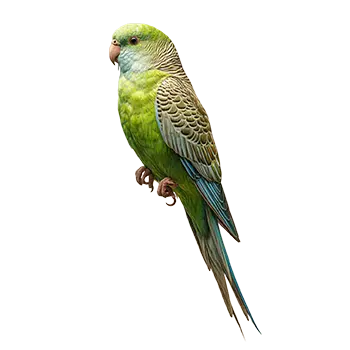

The juvenile stage of a lineolated parakeet begins once the chick has fledged, typically around five to six weeks of age, and extends through the first molt at roughly four to six months. During this period, the young bird reaches its full adult size of six to seven inches and its body proportions shift from the round-headed, stubby-tailed appearance of a chick to the sleeker profile of a mature linnie. Feather coloration continues to develop, and the characteristic dark barring across the wings and back becomes more defined with each passing week.
Weight should stabilize during the juvenile period, generally settling between 42 and 55 grams depending on the individual and its mutation. Continued daily or weekly weigh-ins help you confirm that the bird is maintaining a healthy weight as it transitions from hand-feeding or parental feeding to independent eating. Sudden weight drops during this stage often indicate difficulty with the weaning process or emerging health issues.
The first molt is a significant milestone and can be a stressful time for a young linnie. Pin feathers emerging across the head, neck, and body may cause itchiness and irritability. The bird may preen excessively or solicit head scratches more frequently than usual. Nutritional demands increase during the molt, so ensure the diet is well-rounded and includes adequate protein and amino acids to support healthy feather production.
Beak and nail growth accelerate during the juvenile period. Provide appropriate chewing materials such as untreated wood perches and mineral blocks to help the bird naturally maintain its beak. Nails may need occasional trimming if they become overly long or sharp, though natural wood perches of varying diameters can reduce the frequency of manual trims.