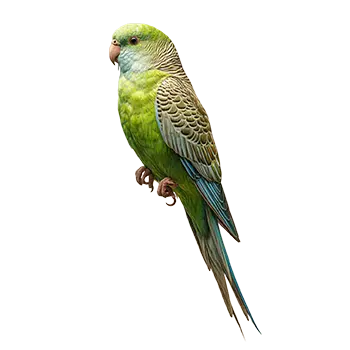

Peak Health Maintenance

A lineolated parakeet reaches full maturity at roughly one year of age and enters its prime adult period, which typically lasts until around seven to eight years. During these years, the bird is at its healthiest, most active, and most behaviorally stable. Maintaining this peak condition requires consistent daily care, a stable routine, and attention to the environmental factors that support avian well-being.

Annual veterinary checkups are the cornerstone of preventive health care for an adult linnie. Each visit should include a thorough physical examination, a gram weight check, and baseline bloodwork to monitor organ function and detect emerging issues before symptoms appear. Discuss vaccination recommendations, parasite screening, and any behavioral changes with your avian veterinarian during these visits.

Daily observation remains one of your most powerful tools. Spend a few minutes each day watching your bird's posture, activity level, appetite, and droppings. You know your bird better than anyone, and subtle shifts in behavior or appearance are often the earliest indicators of illness. A bird that suddenly sleeps more, eats less, or sits fluffed on the bottom of its cage warrants prompt veterinary attention even if no other symptoms are visible.

Environmental consistency supports long-term health. Maintain a regular light and dark cycle of approximately twelve hours each to support hormonal balance and restful sleep. Keep the bird's living area free from airborne toxins, and ensure room temperature remains between 65 and 80 degrees Fahrenheit. Stability in routine and environment reduces chronic stress, which is a significant contributor to immune suppression and behavioral problems in captive parrots.

Nutrition at Maturity

An adult lineolated parakeet's diet should be well-established by this stage, but ongoing refinement ensures optimal nutrition throughout the prime years. A high-quality pellet should constitute approximately 60 to 70 percent of the daily diet, providing balanced vitamins, minerals, and amino acids that seed-based diets cannot deliver.

Fresh vegetables and leafy greens should be offered daily and make up roughly 20 to 30 percent of food intake. Rotate offerings to provide nutritional variety and prevent food boredom. Excellent choices include dark leafy greens like kale, Swiss chard, and dandelion greens, along with chopped bell pepper, squash, sweet potato, and broccoli. Fresh fruit can be offered in small amounts as a treat, but its high sugar content means it should remain a minor part of the diet.

Monitor your bird's weight monthly using a gram scale. Adult lineolated parakeets typically weigh between 42 and 55 grams, though individual birds may have a healthy baseline slightly outside this range. Consistent weight gain over time may indicate overfeeding or insufficient exercise, while unexplained weight loss can signal illness. Knowing your bird's personal baseline weight makes it much easier to detect meaningful changes.

Calcium supplementation is important for adult linnies, particularly for hens that may produce eggs even without a mate. A cuttlebone or mineral block should always be available in the cage. For birds on a primarily pelleted diet, additional calcium supplementation is usually unnecessary, but discuss your specific bird's needs with your veterinarian, especially if the bird is a laying hen or shows signs of calcium deficiency such as soft or misshapen beaks.

Exercise & Enrichment

Adult lineolated parakeets need daily physical and mental exercise to maintain their health and contentment. A minimum of two to three hours of supervised out-of-cage time each day allows the bird to fly, explore, and interact with its human family. Flight is the single most beneficial form of exercise for any parrot, engaging the cardiovascular system, strengthening muscles, and providing mental stimulation that ground-based activities cannot match.

Enrichment within the cage is equally important for the hours the bird spends inside. Rotate toys on a weekly basis to prevent habituation, and include a mix of foraging opportunities, shredding materials, and puzzle toys. Lineolated parakeets are particularly fond of foraging and will spend extended periods working to extract seeds or treats from foraging devices. Wrapping small treats in paper or hiding them inside natural materials provides inexpensive but highly effective mental stimulation.

Lineolated parakeets are unusual among small parrots in their love of water. Many linnies enjoy bathing in shallow dishes, splashing under a gentle faucet stream, or being lightly misted with a spray bottle. Regular bathing supports feather health, aids in the removal of feather dust and dander, and provides obvious enjoyment for the bird. Offer bathing opportunities several times per week, and observe your bird's preference for method and frequency.

Social interaction is a form of enrichment that should not be underestimated. Adult linnies that have been well-socialized thrive on companionship, whether from their human family, another linnie, or both. If your bird spends long hours alone during the day, consider whether a companion bird might improve its quality of life. Lineolated parakeets generally coexist peacefully with others of their species, though introductions should be gradual and supervised.

Preventive Health Care

Preventive care during the adult years focuses on maintaining the strong foundation built during the juvenile stage and catching any developing issues early. In addition to annual wellness exams, watch for common adult health concerns in lineolated parakeets, including fatty liver disease, respiratory infections, feather-destructive behavior, and reproductive complications in hens.

Fatty liver disease is one of the most prevalent health problems in captive parrots and is almost entirely preventable through proper diet and exercise. A bird that eats a seed-heavy diet and gets little exercise is at significantly higher risk. Symptoms may not appear until the disease is advanced, which is why annual bloodwork that includes liver values is so important. If caught early, dietary changes and increased activity can often reverse the condition.

Feather-destructive behavior, commonly called feather plucking, can emerge during the adult years and has both medical and psychological causes. Before assuming the behavior is psychological, have your veterinarian rule out medical causes such as skin infections, parasites, allergies, or liver disease. If the behavior is determined to be psychological, evaluate the bird's environment for sources of stress, boredom, or hormonal overstimulation, and work with your vet or an avian behaviorist to develop a management plan.

Maintain a clean living environment to prevent bacterial and fungal infections. Wash food and water dishes daily with hot, soapy water. Clean cage surfaces and perches weekly. Replace substrate at least every other day. Good hygiene practices are simple but profoundly effective at reducing the disease burden in your bird's environment.

Behavioral Maturity

By the time a lineolated parakeet reaches full adulthood, its core personality is well established. Adult linnies are widely regarded as one of the most easygoing and gentle parrot species available in aviculture. They tend to be quieter than most parakeets, content to murmur and chatter softly rather than scream for attention. This calm demeanor makes them excellent companions for apartment dwellers and noise-sensitive households.

However, even well-socialized adult linnies may exhibit seasonal behavioral shifts related to hormonal cycles. During breeding season, which can be triggered by increasing day length, warm temperatures, and abundant food, both males and females may become more territorial, vocal, or nippy. Hens may lay eggs even in the absence of a mate. Managing these hormonal surges through environmental controls such as limiting daylight hours and removing perceived nesting sites can help reduce unwanted reproductive behaviors.

Bonding deepens during the adult years. A linnie that trusts its owner will seek out physical contact, ride on shoulders, nestle against the neck, and vocalize in response to conversation. This level of bonding is rewarding but also carries responsibility. A strongly bonded bird that is suddenly neglected or rehomed can experience significant emotional distress, manifesting as feather plucking, appetite loss, or withdrawal.

Continued training and mental engagement prevent behavioral stagnation. Adult linnies are capable learners and can acquire new tricks, commands, and behaviors throughout their lives. Regular training sessions maintain the human-bird bond, provide mental stimulation, and give the bird a sense of purpose and accomplishment. Even five minutes of daily interaction focused on a specific skill keeps the relationship dynamic and the bird mentally sharp.

Feather Care & Grooming

Adult lineolated parakeets molt once or twice per year, typically in response to seasonal light changes. During a molt, the bird replaces old, worn feathers with fresh growth. This process demands significant nutritional resources, and you may notice your bird eating more, sleeping more, and being slightly less active or more irritable than usual. Ensure the diet is nutritionally complete and consider offering additional protein-rich foods such as cooked egg or sprouted legumes during heavy molts.

Pin feathers, which are new feathers encased in a waxy keratin sheath, can be uncomfortable and itchy. Many linnies appreciate gentle help with pin feathers on the head and neck, areas they cannot reach on their own. Roll the sheath gently between your fingers to help release the developing feather. Only assist with pin feathers that are fully mature and ready to open, as crushing a blood feather still connected to its blood supply can cause bleeding and pain.

Bathing plays a dual role in feather maintenance and overall comfort. Water softens feather sheaths, removes accumulated dust and dander, and encourages natural preening behavior. If your linnie is reluctant to bathe, try different methods such as a shallow dish, a wet lettuce leaf draped over the cage, or a fine mist from a plant sprayer. Most linnies discover a preferred bathing style with experimentation.

Nail and beak maintenance should be ongoing. Natural wood perches of varying textures and diameters help wear down nails and condition the beak. If nails become overly long or the beak develops an overgrowth or asymmetry, have your avian veterinarian perform a trim. Attempting to file or clip a bird's beak at home without proper training risks injury and can cause significant stress. Regular veterinary grooming sessions also provide an opportunity for a quick health check.

Always consult a qualified professional before making any health-related decisions. This content is provided for informational reference only and should not replace professional guidance specific to your animal.