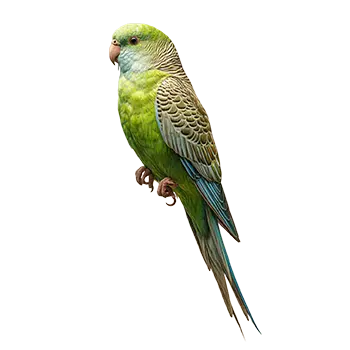

Lineolated parakeets reach sexual maturity at approximately one to two years of age, though responsible breeders generally wait until birds are at least eighteen months to two years old before allowing them to breed. Breeding a bird that is too young can result in complications including egg binding, inadequate parental behavior, and chicks with developmental issues. Physical and behavioral maturity should both be confirmed before a pair is allowed to reproduce.
Before considering breeding, both the male and female should undergo a thorough veterinary examination including bloodwork and testing for common avian diseases. Birds carrying infections or chronic health conditions should not be bred, as many diseases can be transmitted vertically to offspring or horizontally to the mate. Both birds should be at a healthy weight, fully feathered, and free of any nutritional deficiencies.
Assess the pair's compatibility before providing nesting opportunities. Lineolated parakeets are generally peaceable and form bonds readily, but not every pair will be compatible. Introduce potential mates gradually by housing them in adjacent cages where they can see and hear each other before sharing a space. Signs of compatibility include mutual preening, feeding each other, sitting closely together, and soft vocalizations directed at one another.
Ensure you have a clear plan for the chicks before breeding occurs. Lineolated parakeets typically produce clutches of four to six eggs, and you should have confirmed homes or a plan for retaining the offspring before the eggs are laid. Breeding without a placement strategy contributes to the surplus of homeless pet birds and is inconsistent with responsible aviculture.