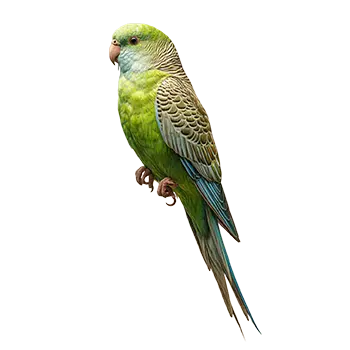

Lineolated parakeets are considered senior at approximately eight to ten years of age, though the onset of aging varies by individual based on genetics, diet, and overall care quality throughout life. Unlike larger parrots that may live for decades, the linnie's relatively compact lifespan of ten to fifteen years means that age-related changes can appear earlier and progress more quickly than owners might expect.
The transition into the senior years is usually gradual rather than sudden. You may notice your bird sleeping slightly more than it used to, showing less enthusiasm for vigorous flight, or spending more time resting on lower perches. These subtle shifts are normal and do not necessarily indicate illness, but they do signal that your bird's body is beginning to slow down and that care adjustments may be needed.
Not all changes are visible. Internal organ function begins to decline with age, and conditions such as kidney insufficiency, liver changes, and cardiovascular weakening can develop silently over months or years. This is why the frequency of veterinary checkups should increase as your linnie enters its senior years. Biannual exams with comprehensive bloodwork allow your veterinarian to track trends in organ function and catch issues at a stage when intervention is most effective.
Understanding that your bird is entering a new life stage helps you approach care with appropriate expectations. A senior linnie may not learn new tricks as quickly or play as vigorously as it once did, but it can still enjoy a rich and comfortable life with thoughtful adjustments to its environment, diet, and daily routine.