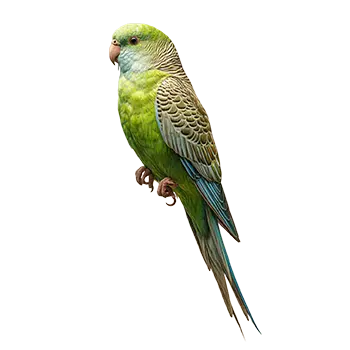

Lineolated Parakeets require a balanced diet that reflects their natural foraging habits in the cloud forests of Central and South America. In the wild, these small parrots consume a varied mix of seeds, fruits, flowers, and vegetation found at high altitudes. Captive linnies benefit from a diet that mirrors this diversity, with an emphasis on nutrient-dense foods that support their relatively calm metabolism and compact body structure.
Protein, healthy fats, and a broad spectrum of vitamins and minerals are all essential for maintaining feather quality, immune function, and reproductive health. Lineolated Parakeets are not especially prone to obesity compared to some other parrot species, but they can still develop weight issues if fed a seed-heavy diet without adequate balance. A good baseline is roughly 60 to 70 percent pellets and fresh foods, with seeds and treats making up the remainder.
Calcium and vitamin A deserve special attention. Calcium supports bone density and egg production in hens, while vitamin A is critical for maintaining healthy skin, feathers, and respiratory tissues. Dark leafy greens, orange vegetables, and fortified pellets are the most reliable dietary sources. Offering a cuttlebone or mineral block as a supplemental calcium source is a common and effective practice.
Because linnies tend to be less active flyers than some parakeet species, their caloric needs are moderate. Portion control matters less than diet composition — a linnie with access to high-quality pellets and daily fresh produce will generally self-regulate its intake without overfeeding.