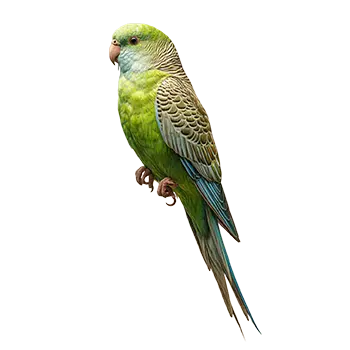

Recognizing that a lineolated parakeet is approaching the end of its life requires careful observation and an understanding of how terminal decline differs from treatable illness. While many symptoms of serious disease overlap with those of end-stage decline, the key distinction is often the bird's response to treatment. A bird with a treatable condition will typically show improvement with veterinary care, while a bird in terminal decline may stabilize temporarily but will not return to its previous baseline.
Common signs that a linnie may be entering its final stage include progressive and irreversible weight loss despite adequate food availability, persistent lethargy that does not improve with rest or treatment, inability or refusal to perch, spending extended time on the cage floor, and a noticeable decline in awareness and responsiveness to environmental stimuli. The bird may stop preening entirely, resulting in a disheveled and unkempt appearance that reflects its diminishing energy reserves.
Changes in eating and drinking behavior are particularly significant. A bird that picks at food without actually consuming meaningful amounts, or one that stops eating altogether, is communicating that its body is shutting down. Similarly, changes in droppings such as dramatically reduced volume, unusual coloring, or the absence of fecal matter with only urates present can indicate organ failure.
It is important to distinguish between a bad day and a genuine decline trajectory. All birds have days when they are quieter or less active than usual, and this alone does not indicate end of life. The pattern to watch for is a sustained downward trend over days or weeks, where each day brings the bird slightly further from its previous level of function. When you observe this pattern, consult your avian veterinarian to discuss the bird's prognosis and your options going forward.