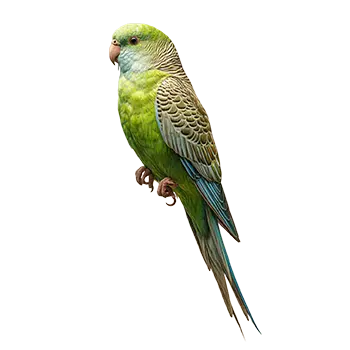

Environmental monitoring technology provides real-time data on the conditions surrounding your Lineolated Parakeet's cage, catching problems before they affect the bird's health. Given the linnie's origins in cool, humid cloud forests, maintaining appropriate temperature and humidity levels is more than a comfort issue — it directly impacts respiratory health, feather condition, and overall wellbeing.
Digital hygrometer-thermometer combinations are the most fundamental environmental monitoring tools for bird rooms. These compact devices display current temperature and humidity readings, and many models track daily highs and lows. For Lineolated Parakeets, ideal conditions generally fall between 65 and 80 degrees Fahrenheit with humidity levels between 40 and 60 percent. Placing a monitor at cage level — rather than across the room — ensures the readings reflect what the bird actually experiences.
Smart environmental sensors take monitoring a step further by connecting to a home network and sending alerts to your phone when conditions fall outside defined thresholds. Some models log historical data, allowing you to identify patterns such as nighttime temperature drops or humidity spikes correlated with weather changes. This trending data can be valuable information to share with an avian veterinarian when troubleshooting health issues.
Air quality monitors that measure particulate matter, volatile organic compounds, and carbon dioxide levels are increasingly affordable and relevant for bird owners. Birds are far more sensitive to airborne pollutants than mammals, and early detection of air quality problems — whether from a forgotten nonstick pan, a new piece of furniture off-gassing, or inadequate ventilation — can prevent respiratory emergencies. Position air quality sensors in the bird room at a height similar to the cage location for the most relevant readings.