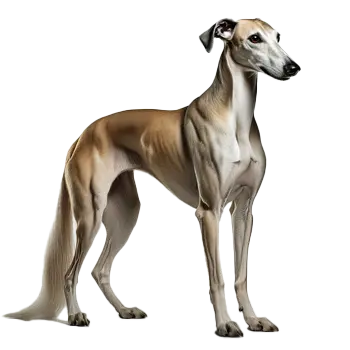

A Sloughi in its adult prime, typically from around two years through eight years of age, is a picture of athletic elegance. This is the period when the breed's lean, muscular frame is at its most refined, and the dog's physical capabilities are at their height. Maintaining this peak condition requires a consistent partnership between the owner and a veterinarian who understands the unique characteristics of sighthound breeds.
Annual wellness examinations form the cornerstone of preventive care. These visits should include a thorough physical examination, blood work to establish baseline values, a fecal parasite check, and a review of vaccination status. Sighthounds are known to have naturally different blood chemistry from many other breeds — lower platelet counts, higher red blood cell counts, and different thyroid hormone levels are all normal variations that an unfamiliar veterinarian might mistakenly flag as abnormal. Make sure your vet is aware of these breed-specific baselines.
Parasite prevention is a year-round commitment. Heartworm prevention is essential in any region where mosquitoes are present, and flea and tick control should be maintained based on the local parasite landscape. Some sighthound breeds, including the Sloughi, may have heightened sensitivity to certain antiparasitic compounds, so always discuss product selection with your veterinarian before administering any preventive treatment.
Stay current on core vaccinations while avoiding unnecessary over-vaccination. Titer testing, which measures antibody levels in the blood, can help determine whether booster vaccines are truly needed or whether the dog's immunity from previous vaccinations is still protective. This approach balances disease protection with minimizing unnecessary immune stimulation.