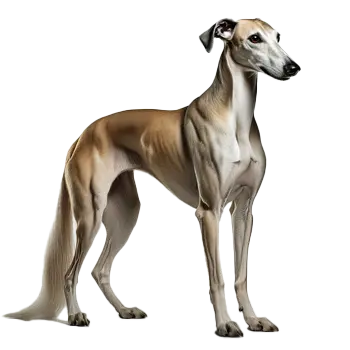

Breeding Readiness

Breeding a Sloughi is a serious commitment that begins long before a mating takes place. The decision to breed should be driven by a genuine desire to improve and preserve the breed, not by financial motivation or sentimental attachment to a particular dog. The Sloughi is a rare breed with a relatively small global population, which makes responsible breeding decisions especially consequential — every litter has the potential to either strengthen or weaken the breed's genetic health and temperament for generations to come.

Both the sire and the dam should undergo comprehensive health screening before being considered for breeding. At a minimum, this includes hip and elbow evaluations, an ophthalmic examination by a board-certified veterinary ophthalmologist, cardiac evaluation, and any breed-specific genetic testing that is available. The Sloughi's relatively small gene pool means that breeders must be especially attentive to coefficient of inbreeding calculations and should work to maintain genetic diversity while selecting for health, structure, and temperament.

Physical maturity is a prerequisite for breeding. A female Sloughi should not be bred before she is at least two years old, allowing her skeletal system to fully develop and her temperament to stabilize. Males should also be fully mature, both physically and behaviorally, before being used at stud. Early breeding places undue physical stress on an immature dog and does not allow the breeder to fully evaluate the dog's adult conformation, movement, and temperament.

Temperament is as important as physical health in breeding selection. The Sloughi should be reserved but not fearful, independent but not aggressive, and confident in its environment. A dog with significant behavioral issues — extreme shyness, unprovoked aggression, or severe anxiety — should not be bred regardless of its physical qualities, as temperament has a strong genetic component and will be passed to offspring.

The Heat Cycle

Understanding the Sloughi female's reproductive cycle is essential for timing a breeding correctly and managing the dog's health throughout the process. Most Sloughi females experience their first heat cycle between eight and twelve months of age, though some may be later. The interval between cycles is typically six to eight months, but individual variation is common, and keeping a detailed record of each cycle helps establish the female's personal pattern.

The heat cycle consists of four stages. Proestrus, the first stage, lasts approximately seven to ten days and is characterized by vulvar swelling and a bloody vaginal discharge. The female will attract male attention during this stage but will not yet accept mating. Estrus follows, lasting roughly five to fourteen days, during which the discharge lightens in color and the female becomes receptive to the male. Ovulation occurs during this stage, and the precise timing of breeding within this window significantly affects conception rates.

Progesterone testing through serial blood draws is the most reliable method for determining optimal breeding timing. Progesterone levels rise predictably in relation to ovulation, and your veterinarian can use these values to pinpoint the ideal mating window. Relying on behavioral signs alone — such as the female flagging her tail or standing for the male — is less precise and can result in poorly timed breedings that reduce the chance of conception or produce smaller litters.

During heat, the female should be kept securely contained to prevent unplanned matings. A Sloughi in estrus will attract intact males from considerable distances, and even well-fenced yards may not be sufficient if a determined male is in the area. Indoor management during the peak receptive days is the safest approach. If you are not planning to breed the female during a particular cycle, strict separation from intact males for the entire duration of estrus is non-negotiable.

Pregnancy & Gestation

Gestation in the Sloughi lasts approximately 63 days from the date of ovulation, with a normal range of 58 to 68 days depending on when breeding occurred relative to ovulation. Confirming pregnancy can be done through ultrasound at approximately 25 to 30 days post-breeding, which also provides an early assessment of fetal viability. Radiographs taken after day 45 can give a more accurate puppy count by revealing mineralized skeletal structures.

During the first half of pregnancy, the dam's nutritional needs remain relatively unchanged, and her regular adult diet is sufficient. As the pregnancy progresses into the second half, caloric requirements begin to increase, and a gradual transition to a nutrient-dense puppy or performance diet is appropriate. Smaller, more frequent meals may be necessary as the growing uterus compresses the stomach and reduces the dam's capacity for large meals. Fresh water should always be readily available.

Exercise during pregnancy should be moderate and self-directed. The dam should be allowed to move freely and maintain her normal activity level during the early weeks, with a gradual reduction in intensity as the pregnancy advances. High-impact activities, rough play with other dogs, and any situation that risks abdominal trauma should be avoided from the time pregnancy is confirmed. Short, gentle walks and access to a secure outdoor area for free movement are ideal during the later stages.

Monitor the dam closely for any signs of complications, including vaginal discharge before term, excessive lethargy, loss of appetite beyond the brief decrease that sometimes occurs around days 21 to 25, or abdominal pain. Contact your veterinarian immediately if you notice any of these warning signs. A pre-whelping veterinary visit around day 55 to 58 allows the vet to assess the dam's condition, confirm an approximate puppy count, and discuss the whelping plan.

Whelping Preparation

Preparation for whelping should begin well in advance of the expected due date so that both you and the dam are ready when labor begins. Set up the whelping box in a quiet, warm, and dimly lit area of the home at least two weeks before the due date, giving the dam time to become comfortable in the space. The box should be large enough for the dam to stretch out fully but enclosed enough to contain the newborn puppies and provide a sense of security.

The whelping box should have a rail or pig rail system around the interior perimeter to prevent the dam from accidentally lying on a puppy against the wall. Bedding should be washable and provide traction for the puppies' developing legs — veterinary bedding pads or clean fleece layers are preferred over towels that can bunch and create pockets where a puppy could become trapped. Have a generous supply of clean bedding ready for frequent changes during and after delivery.

Assemble a whelping kit that includes clean towels, hemostats for clamping umbilical cords if necessary, unwaxed dental floss for tying cords, blunt-tipped scissors, a bulb syringe for clearing airways, a digital scale for weighing puppies, a rectal thermometer, and your veterinarian's emergency contact information. A heating pad or heat lamp for supplemental warmth should be set up and tested before whelping day. Have puppy milk replacer and bottles on hand in case supplemental feeding becomes necessary.

Begin monitoring the dam's rectal temperature twice daily starting around day 58. A drop in temperature to below 99°F (37.2°C) typically signals that labor will begin within 12 to 24 hours. The dam may also exhibit nesting behavior, restlessness, panting, loss of appetite, or a clear vaginal discharge in the hours leading up to active labor. Familiarize yourself with the stages of labor and know when to intervene versus when to allow the dam to proceed naturally.

Postpartum Care

The hours and days following whelping are a critical period for both the dam and her litter. Once all puppies have been delivered and the dam has passed all placentas, allow her to rest with her litter in the clean whelping box. Offer her water and a small amount of easily digestible food, as she will be exhausted and may not have eaten during labor. Her appetite should return to normal within 24 hours, and her caloric needs will increase substantially over the coming weeks as lactation demands peak energy output.

Monitor the dam for signs of postpartum complications. A greenish-black vaginal discharge is normal for the first day or two as residual uterine material is expelled, but a foul-smelling, purulent, or bright red discharge that persists beyond the first 48 hours may indicate infection or retained placental tissue and warrants immediate veterinary attention. Watch for signs of mastitis — red, hot, swollen mammary glands that are painful to the touch — as this condition can progress rapidly and compromise both the dam's health and the puppies' nutrition.

The dam's maternal behavior should be observed closely during the first few days. Most Sloughi females are attentive, instinctive mothers, but first-time dams may be uncertain or anxious. Reassure a nervous dam with calm presence and minimal intervention, stepping in only if she is failing to clean or nurse the puppies. If the dam shows aggression toward the puppies, excessive restlessness, or complete disinterest in the litter, contact your veterinarian and be prepared to provide round-the-clock supplemental care for the neonates.

A postpartum veterinary visit within 24 to 48 hours of whelping is advisable to ensure the dam has delivered all puppies and placentas, to assess her overall recovery, and to check the litter for any congenital abnormalities. This visit also provides an opportunity to discuss the dam's increased nutritional needs during lactation and to schedule the puppies' first deworming at approximately two weeks of age.

Responsible Breeding Ethics

Responsible breeding of the Sloughi carries obligations that extend far beyond producing a litter of healthy puppies. As the steward of a rare breed, every breeder bears a responsibility to the dogs individually, to the breed as a whole, and to the families who will share their lives with the puppies produced. This responsibility begins with the decision to breed and continues for the lifetime of every puppy placed.

Genetic stewardship is paramount in a breed with a limited gene pool. Breeders should work collaboratively with breed clubs and genetic databases to make informed pairing decisions that maintain diversity while selecting for health and temperament. The temptation to breed exclusively for physical beauty or show success at the expense of genetic breadth undermines the breed's long-term viability. A beautiful dog with a narrow genetic background contributes less to the breed's future than a sound dog from a well-planned outcross.

Puppy placement should be conducted with the same care as the breeding decision itself. Screen prospective owners thoroughly, educating them about the breed's temperament, exercise needs, prey drive, and the realities of living with a sighthound. A Sloughi placed in an inappropriate home is likely to end up in rescue or worse. Include a contract that requires the puppy to be returned to you if the owner can no longer keep it at any point in the dog's life. This safety net ensures that no Sloughi you produce ever ends up in a shelter or in the hands of someone unprepared for the breed.

Limit the number of litters you produce and the frequency with which any individual dog is bred. A female Sloughi should not be bred on consecutive heat cycles, and most responsible breeders limit a female to no more than three or four litters over her lifetime to protect her physical health and well-being. Males should be used judiciously to avoid over-representation in the gene pool, which can amplify the spread of recessive health conditions. Breeding is a privilege, not a right, and the measure of a breeder's success is not the number of puppies produced but the health, temperament, and welfare of every dog that carries their kennel name.

Always consult a qualified professional before making any health-related decisions. This content is provided for informational reference only and should not replace professional guidance specific to your animal.