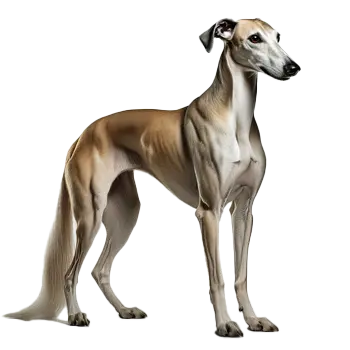

Recognizing when a Sloughi is approaching the end of its life requires an honest assessment of the dog's daily experience. The breed's naturally quiet and dignified demeanor can make it difficult to distinguish normal reserve from the withdrawal that accompanies terminal decline. Owners who have lived closely with their Sloughi for years often sense the shift before they can articulate it — a dimming of the light behind the eyes, a stillness that goes beyond restfulness, a subtle but persistent change in the dog's engagement with the world.
Physical signs of terminal decline may include a progressive and irreversible loss of appetite, significant weight loss and muscle wasting that does not respond to dietary adjustments, difficulty rising or walking, labored breathing, incontinence, and a general loss of interest in surroundings. Some dogs develop a fixed, distant gaze or begin seeking isolation, moving away from the family to lie alone in quiet corners. Others become unusually clingy, as though seeking reassurance from the people they trust.
It is important to distinguish between symptoms that can be treated or managed and those that reflect a condition beyond medical intervention. A Sloughi that has stopped eating due to nausea from a medication may recover with a dosage adjustment, while a dog that refuses food because its body is shutting down will not. Your veterinarian can help you interpret the signs and understand whether the dog's condition is treatable, manageable, or terminal.
Keeping a daily journal during this period can provide clarity when emotions threaten to cloud judgment. Note the dog's appetite, mobility, engagement with family, pain indicators, and overall demeanor each day. Over time, patterns emerge that reveal whether the trajectory is one of gradual decline or stabilization. This record also becomes a valuable reference point when the time comes to discuss next steps with your veterinarian.