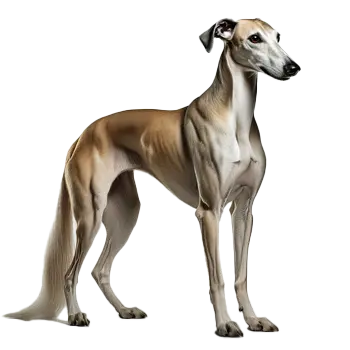

Growth & Physical Development

The Sloughi undergoes a dramatic physical transformation during the juvenile and adolescent period, roughly from three months to 18 months of age. This is a sighthound built for speed and endurance, and the long legs, deep chest, and lean muscular frame that define the adult dog develop gradually during this window. Growth plates in the long bones remain open well into adolescence, which has significant implications for the type and intensity of exercise that is appropriate during this stage.

Sloughi puppies often go through awkward growth phases where different parts of the body seem out of proportion. The legs may shoot up before the body fills in, giving the young dog a gangly, coltish appearance. This is entirely normal and is characteristic of sighthound development. Males typically reach their full height by around 12 to 14 months but may continue to add muscle and chest depth until they are close to two years old. Females tend to mature slightly earlier.

Regular weight checks and body condition assessments help ensure your Sloughi is growing at a healthy rate. This breed should always appear lean, but the ribs should be easily felt under a thin layer of muscle without being visually prominent. Overfeeding a growing Sloughi to encourage faster growth can put dangerous stress on developing joints and bones. Conversely, underfeeding can delay development and weaken the immune system during a period when the dog is already vulnerable.

Your veterinarian can help you track growth against expected curves for the breed and identify any signs of developmental orthopedic disease. If you notice persistent limping, reluctance to play, or an unusual gait, have the dog examined promptly. Early intervention in skeletal issues can prevent long-term complications.

Nutrition & Diet Transition

Transitioning a Sloughi from puppy food to an adolescent or all-life-stages diet requires careful attention to caloric density, protein levels, and mineral balance. Sighthound puppies need adequate protein to support lean muscle development but should not be overfed calories that encourage rapid weight gain. A diet formulated for large-breed puppies is generally a good starting point, as these formulas regulate calcium and phosphorus ratios to support controlled bone growth.

Most Sloughis can begin transitioning to an adult or all-life-stages formula between 10 and 14 months, though the exact timing depends on the individual dog's growth rate and body condition. The transition should be made gradually over seven to ten days, mixing increasing proportions of the new food with decreasing proportions of the old to avoid gastrointestinal upset. Sloughis can have sensitive stomachs, and abrupt dietary changes may cause loose stools or decreased appetite.

Feeding frequency typically shifts during this stage. Puppies under six months generally eat three meals per day, which can be reduced to two meals daily from six months onward. Free-feeding is not recommended for this breed, as Sloughis are naturally lean and may under-eat when food is always available, or conversely may develop resource-guarding behaviors if food becomes a constant presence.

Fresh, clean water should always be accessible. Avoid feeding immediately before or after vigorous exercise, as deep-chested breeds can be susceptible to gastric torsion. Allow at least an hour of rest before and after meals, and consider using a raised feeding station if your veterinarian recommends it based on the dog's conformation.

Behavioral Changes

Adolescence brings a wave of behavioral shifts that can catch even experienced dog owners off guard. The Sloughi's naturally independent and reserved temperament becomes more pronounced during this stage, and a puppy that seemed eager to please at 10 weeks may begin testing boundaries at six or seven months. This is not defiance in the human sense — it is the normal developmental process of a maturing sighthound exploring its autonomy.

Fear periods are a significant concern during the juvenile phase. Sloughis may pass through one or two secondary fear periods between roughly six and 14 months, during which previously neutral stimuli can suddenly provoke anxiety or avoidance. A dog that walked confidently past a trash can last week may now flatten its ears and refuse to approach. The correct response is calm, patient redirection without forcing the dog to confront the source of fear. Coddling can reinforce the anxiety, while punishment will almost certainly make it worse.

Prey drive often intensifies during adolescence as the Sloughi's sighthound instincts come online. Squirrels, rabbits, cats, and even small dogs may trigger a chase response that overrides training. This is a deeply ingrained behavior in the breed and should be managed through environmental control and consistent recall training rather than expected to disappear with obedience work alone. A securely fenced yard and a reliable long-line setup for outdoor exercise are essential during this period.

Same-sex aggression may begin to surface in adolescent Sloughis, particularly among intact males. Early recognition of posturing behaviors — stiff body language, hard stares, and resource guarding — allows you to intervene with management strategies before conflicts escalate. Socialization with well-mannered adult dogs in controlled settings can help channel these developing social instincts appropriately.

Training Priorities

Training a Sloughi requires an approach that respects the breed's intelligence, sensitivity, and independent nature. Harsh corrections, raised voices, and repetitive drills will shut this dog down or erode trust. Positive reinforcement methods using high-value food rewards and calm, consistent cues produce the best results. Sessions should be kept short — five to ten minutes is often more productive than a 30-minute session that leaves the dog mentally fatigued and disengaged.

Recall is arguably the most critical skill to develop in a young Sloughi, and it is also one of the most challenging. A sighthound in pursuit of prey is operating on instinct that predates any human training, and no recall command is fully reliable when a Sloughi is in full chase. That said, building a strong foundation of recall in low-distraction environments and gradually increasing the difficulty can improve your odds significantly. Use a long training line in open areas until you are confident in the dog's response, and never punish a Sloughi for returning to you slowly — that only teaches the dog that coming back leads to unpleasant consequences.

Leash manners deserve early and consistent attention. The Sloughi is a powerful, athletic dog that can pull with surprising force despite its refined appearance. Teaching loose-leash walking using reward-based methods from the beginning prevents the development of pulling habits that become harder to correct in a mature dog. A front-clip harness can be a useful management tool during the training process.

Basic obedience commands such as sit, down, stay, and leave-it form the everyday vocabulary between you and your dog. The Sloughi may not perform these with the snap-to-attention enthusiasm of a herding breed, but it is capable of learning them thoroughly. Consistency across all family members in both the commands used and the expectations enforced is essential. Mixed signals from different household members create confusion and slow progress.

Exercise & Activity

Balancing a young Sloughi's need for physical activity with the protection of its developing musculoskeletal system is one of the most important responsibilities during the juvenile phase. While the breed is built for explosive speed, forced running, long-distance jogging, and repetitive high-impact activities should be avoided until the growth plates have closed, typically around 14 to 18 months. Your veterinarian can confirm closure through radiographs if there is any question.

Free play in a securely fenced area is the ideal form of exercise for a growing Sloughi. The dog can self-regulate its intensity, accelerating and decelerating at will, which is far safer for developing joints than a structured run alongside a bicycle or a forced trot on a leash. The fencing must be tall — at least six feet — and secure, as Sloughis are athletic jumpers and will clear a shorter barrier without hesitation if something catches their eye.

Mental stimulation is just as important as physical exercise for this intelligent breed. Puzzle feeders, scent games, and short training sessions provide cognitive enrichment that tires the brain without taxing the body. A Sloughi that is mentally bored will find its own entertainment, and that often involves chewing furniture, digging holes, or finding creative escape routes from the yard.

As the dog matures past 12 months, you can gradually introduce more structured activities such as lure coursing in a controlled setting. This provides an appropriate outlet for the breed's chase instinct and builds fitness in a way that aligns with the Sloughi's natural movement patterns. Always warm up the dog with a brisk walk before any high-speed activity and allow a cool-down period afterward.

Spay/Neuter Considerations

The decision of when — or whether — to spay or neuter a Sloughi is one that should be made in consultation with your veterinarian and, ideally, the dog's breeder. Current research increasingly suggests that early spaying or neutering of large-breed dogs can affect skeletal development, as the sex hormones play a role in growth plate closure. Removing these hormones before the plates close may result in slightly altered limb proportions and can increase the risk of certain orthopedic injuries.

For male Sloughis, many veterinarians and breeders now recommend waiting until the dog is at least 18 months old before neutering, allowing the skeletal system to fully mature. Some owners choose not to neuter at all, managing the intact dog through responsible containment and supervision. An intact male Sloughi may exhibit stronger territorial marking behavior, increased interest in roaming, and heightened reactivity to other intact males.

For female Sloughis, the timing discussion involves balancing the risk of pyometra and mammary tumors against the developmental benefits of retaining hormones through skeletal maturity. Some veterinarians recommend spaying after the first heat cycle, which typically occurs between eight and 12 months in this breed, while others advise waiting until 18 to 24 months. Each approach involves trade-offs that should be evaluated based on the individual dog's health, living situation, and the owner's ability to manage an intact female during heat.

Regardless of the timing chosen, the procedure itself is routine and recovery is generally straightforward. Post-surgical care involves restricted activity for 10 to 14 days, monitoring the incision site, and preventing the dog from licking or chewing at the sutures. A recovery suit or cone may be necessary to protect the surgical site.

Socialization & Exposure

Continued socialization during the juvenile and adolescent period is critical for the Sloughi, a breed that naturally tends toward reserve with unfamiliar people and situations. The socialization window that began during the neonatal period does not close abruptly, but the dog's openness to novel experiences does become more guarded as it matures. Consistent, positive exposure to a variety of environments, people, and animals throughout the first year helps build a confident, well-adjusted adult.

Introduce your Sloughi to urban environments gradually if you live in or near a city. The noise, crowds, and visual stimulation of a busy street can be overwhelming for a sensitive sighthound. Start with quieter neighborhoods and short outings, gradually increasing the complexity of the environment as the dog demonstrates comfort. Reward calm behavior with treats and praise, and be prepared to leave if the dog shows signs of stress such as excessive panting, tucked tail, or refusal to move.

Exposure to other dogs should be carefully managed during this stage. Dog parks can be overwhelming and potentially dangerous for a young Sloughi, as the breed's lean build makes it vulnerable to injury from rough play with heavier breeds. Structured playdates with known, well-socialized dogs of similar size and energy level are a safer option. Puppy classes that emphasize controlled interaction and positive reinforcement can also be valuable, provided the instructor understands sighthound temperament.

Don't overlook household socialization experiences that prepare the dog for everyday life. Exposure to vacuums, doorbells, delivery workers, umbrellas, hats, and other common stimuli reduces the likelihood of fear-based reactions later. The goal is not to flood the dog with stimulation but to create a steady stream of positive encounters that teach the Sloughi that the world is generally a safe and interesting place.

Always consult a qualified professional before making any health-related decisions. This content is provided for informational reference only and should not replace professional guidance specific to your animal.