
Growth & Physical Development

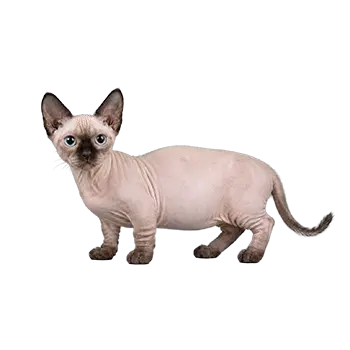
The juvenile phase of the Minskin spans roughly from eight weeks to about twelve months of age, during which these compact cats undergo remarkable physical transformation. Minskin kittens grow at a steady but moderate pace compared to larger breeds, and their distinctive body type becomes increasingly apparent as they mature. The characteristic short legs inherited from the Munchkin lineage become more defined, and the stocky, muscular torso fills out to give the breed its signature low-slung, sturdy silhouette.

During this period, the Minskin's unique coat pattern continues to develop. Fur points on the ears, face, tail, feet, and legs may become denser or more pronounced, while the belly and torso remain largely hairless or covered in a fine, cashmere-like down. The skin itself often has a warm, chamois-like texture that is one of the breed's most distinctive features. Skin pigmentation may shift or deepen as the kitten matures, and some Minskins develop additional spotting or patterning that was not visible at birth.

Bone growth plates in kittens remain open during the juvenile period, which means that excessive jumping from significant heights or rough physical activity could potentially affect joint development. While Minskins are naturally agile despite their short stature, providing ramps or steps to favorite perches reduces the impact on developing joints. Monitor your kitten's movement for any signs of lameness, stiffness, or reluctance to play, as these could indicate orthopedic concerns that benefit from early veterinary evaluation.

Regular weigh-ins help track healthy growth. A juvenile Minskin should gain weight consistently without becoming overweight. Because of their small frame, even a small amount of excess weight places proportionally more stress on their short legs and compact spine. Your veterinarian can help you determine the ideal growth trajectory and body condition for your individual kitten.

Nutrition & Diet Transition

Transitioning a Minskin kitten from weaning food to a complete juvenile diet is a gradual process that should prioritize high-quality animal protein and appropriate caloric density. Kittens in the juvenile phase have significantly higher caloric and nutritional requirements per pound of body weight than adult cats, and the Minskin's sparse coat means they may burn additional calories maintaining body temperature, particularly in cooler environments.

Select a kitten-formulated food that lists a named animal protein as the first ingredient and meets the nutritional standards established by veterinary nutrition organizations. Wet food is generally preferred during the juvenile phase because it supports hydration and is easier for young cats to eat, but a combination of wet and dry food can work well. Avoid frequent diet changes, which can cause digestive upset, and introduce any new food gradually over the course of a week by mixing increasing proportions with the current diet.

Feeding schedules for juvenile Minskins typically involve three to four meals per day until around six months of age, then transitioning to two to three meals daily. Free-feeding dry food is generally discouraged for this breed because their small size makes it difficult to detect gradual weight gain, and overconsumption can lead to obesity that stresses their short-legged frame. Measured portions at scheduled times give you better control and allow you to monitor appetite as an indicator of health.

Fresh water should be available at all times, and many Minskins show a preference for running water from a pet fountain. Adequate hydration supports kidney health, digestion, and skin condition. Because the Minskin's exposed skin can be prone to dryness, proper hydration from within is a simple but effective way to maintain skin health alongside a nutrient-rich diet.

Behavioral Changes

The juvenile phase brings a surge of energy, curiosity, and sometimes mischief as Minskin kittens test boundaries and explore their world with increasing confidence. Expect bursts of intense play followed by deep sleep, a pattern that gradually shifts toward more sustained activity periods as the kitten matures. Minskins are known for their outgoing and people-oriented personalities, and these traits become especially prominent during adolescence as they seek interaction and engagement with their human companions.

Teething occurs between three and six months of age as baby teeth are replaced by permanent adult teeth. During this time, kittens may chew on inappropriate objects, drool more than usual, or show decreased appetite due to gum discomfort. Providing safe chew toys and monitoring for retained baby teeth helps manage this stage. If you notice a permanent tooth erupting alongside a baby tooth that has not fallen out, consult your veterinarian, as retained deciduous teeth can cause alignment issues.

Adolescent Minskins may begin to test social hierarchies within the household, particularly in multi-cat homes. You might observe increased assertiveness, occasional hissing or swatting during play, or attempts to claim favorite resting spots. These behaviors are developmentally normal and typically resolve as the kitten matures, especially with consistent positive reinforcement and adequate resources such as multiple food stations, litter boxes, and resting areas.

Some Minskins develop strong attachment behaviors during this stage, following their owners from room to room and vocalizing for attention. While this affectionate nature is a hallmark of the breed, it is important to encourage some degree of independence to prevent separation anxiety. Provide enrichment activities that the kitten can enjoy alone, such as puzzle feeders and rotating toy selections, alongside the interactive play sessions that strengthen your bond.

Training Priorities

Minskins are intelligent and responsive cats that take well to positive reinforcement training during the juvenile period. Litter box habits should already be well established by this stage, but adolescence is the ideal time to refine other behaviors and introduce household rules that will carry into adulthood. Consistency across all family members is essential, as mixed signals can confuse a young cat and slow the training process.

Scratching is a natural and necessary behavior for cats, serving purposes from claw maintenance to territorial marking and stretching. Rather than attempting to eliminate scratching, redirect it to appropriate surfaces by providing sturdy scratching posts and pads in locations where your Minskin spends time. When you observe your kitten using the correct surface, reinforce the behavior with praise or a small treat. If inappropriate scratching occurs, calmly redirect the kitten to an approved option rather than punishing the behavior.

Clicker training and treat-based reward systems work exceptionally well with Minskins because of their food motivation and desire to interact with their owners. Basic cues such as coming when called, sitting, and accepting grooming can all be taught during short, frequent training sessions. Keep sessions under five minutes to match the juvenile attention span, and always end on a positive note.

Harness and leash training can also begin during the juvenile phase for owners interested in supervised outdoor exploration. Start by allowing the kitten to wear the harness indoors for short periods, gradually increasing duration and then adding the leash. The Minskin's social confidence often makes them more receptive to leash walking than many cat breeds, but patience and positive reinforcement are still key to building comfort and reliability.

Exercise & Activity

Despite their short legs, Minskin kittens are surprisingly athletic and require regular, engaging activity to support healthy physical and mental development. Interactive play sessions that mimic hunting behavior, such as chasing feather wands, pouncing on dragged string toys, or batting at small rolling objects, satisfy the kitten's predatory instincts while building coordination and muscle tone. Aim for at least two dedicated play sessions per day, each lasting ten to fifteen minutes.

Vertical space is important for Minskins, though accommodations should be made for their shorter stature. Cat trees with closely spaced platforms, ramps, or steps allow them to climb and survey their territory without requiring the large leaps that taller breeds can manage. Window perches set at accessible heights provide environmental enrichment through bird watching and sunbathing, both of which Minskins tend to enjoy immensely.

Puzzle toys and food-dispensing toys add mental stimulation to the exercise routine. These toys encourage problem-solving, slow down eating, and keep juvenile Minskins occupied during times when interactive play is not possible. Rotating toys on a weekly basis prevents boredom and maintains novelty, which is especially important for the intelligent and curious Minskin temperament.

Monitor your kitten's activity levels and watch for any changes that might signal a health concern. A suddenly lethargic kitten or one that stops jumping to previously accessible spots may be experiencing pain or illness. Conversely, destructive or hyperactive behavior that seems excessive even by kitten standards may indicate insufficient stimulation or environmental enrichment. Striking the right balance of activity keeps your juvenile Minskin healthy, happy, and well-behaved.

Spay & Neuter Considerations

The decision about when to spay or neuter a Minskin kitten is one that should be made in consultation with your veterinarian, taking into account the individual kitten's health, development, and living situation. Most veterinary professionals recommend the procedure between four and six months of age, before sexual maturity brings hormonal behaviors such as spraying, yowling, and roaming instincts that can be difficult to manage.

Spaying or neutering offers significant health benefits beyond preventing unwanted litters. In female Minskins, early spaying eliminates the risk of pyometra, a potentially life-threatening uterine infection, and greatly reduces the risk of mammary cancer. In males, neutering reduces territorial aggression, urine marking behavior, and the drive to escape and roam in search of mates, which carries its own set of dangers for an indoor cat that might slip outside.

The surgical procedure for kittens is generally straightforward with rapid recovery times. Most kittens bounce back to normal activity levels within a few days, though your veterinarian may recommend limiting jumping and vigorous play for a short recovery period. Monitor the incision site for redness, swelling, discharge, or the kitten's excessive licking, and use an recovery collar if recommended to prevent interference with healing.

After the procedure, metabolic changes mean that caloric needs decrease. Adjust food portions accordingly and monitor body condition to prevent post-surgery weight gain, which is particularly important for the Minskin's small, short-legged frame. Your veterinarian can guide you on appropriate dietary adjustments and the timing of the transition from kitten to adult food, which often coincides with the post-spay or post-neuter period.

Socialization & Exposure

The juvenile period is a continuation of the critical socialization window, and the experiences your Minskin has during this time profoundly influence their adult temperament and adaptability. While the breed is naturally sociable and people-friendly, ongoing exposure to diverse experiences ensures these traits are fully developed and resilient. A well-socialized Minskin is confident in new situations rather than merely tolerant of them.

Introduce your kitten to a variety of people of different ages, appearances, and voices. Supervised interactions with gentle children, calm visitors, and people wearing hats, glasses, or uniforms help build a broad social framework. Encourage visitors to offer treats and gentle petting, creating positive associations with new faces. Minskins that are exposed to a wide range of people during the juvenile phase tend to be the confidently welcoming adults the breed is known for.

Household sounds and activities should become part of the kitten's normal backdrop. Vacuum cleaners, kitchen appliances, television, music, and doorbells can all be gradually introduced at low intensity and paired with positive experiences. A kitten that learns these sounds are harmless during the formative months will not develop noise phobias that can significantly diminish quality of life for both cat and owner.

If your household includes other pets, carefully managed introductions during the juvenile phase can lead to lifelong companionship. Minskins generally coexist well with other cats and cat-friendly dogs, but introductions should be gradual, controlled, and always supervised until mutual comfort is clearly established. Provide each animal with its own resources and safe retreat spaces so that social interactions remain voluntary and positive. Forcing interactions or rushing introductions can create lasting tension that undermines the harmonious household environment that Minskins thrive in.

Always consult a qualified professional before making any health-related decisions. This content is provided for informational reference only and should not replace professional guidance specific to your animal.