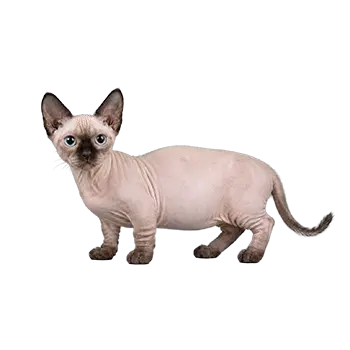

Breeding Minskins is a specialized endeavor that requires thorough preparation, health screening, and a deep understanding of the breed's unique genetic background. The Minskin was developed through crosses involving the Munchkin, Sphynx, Burmese, and Devon Rex, and responsible breeders must be knowledgeable about the genetic traits and potential health concerns contributed by each foundation breed. Before any breeding takes place, both the queen and the stud should undergo comprehensive veterinary evaluation to confirm they are in optimal health and free of transmissible diseases.
Health screening for breeding Minskins should include testing for feline leukemia virus, feline immunodeficiency virus, and feline infectious peritonitis. Because hypertrophic cardiomyopathy is a known concern in Sphynx-related lines, cardiac evaluation through echocardiography is strongly recommended for any Minskin entering a breeding program. Blood typing is also important, as incompatible blood types between queen and stud can lead to neonatal isoerythrolysis, a potentially fatal condition in newborn kittens.
Female Minskins should not be bred before they have reached full physical maturity, which generally occurs between eighteen months and two years of age. Breeding too young can compromise the queen's own development and increase the risk of complications during pregnancy and delivery. Similarly, the stud should be fully mature and have been evaluated for structural soundness, temperament, and breed conformity before being included in a breeding program.
Maintain detailed records of pedigree, health screening results, genetic test outcomes, and previous litter histories for both breeding cats. This documentation supports informed pairing decisions that prioritize genetic diversity, breed health, and adherence to the breed standard. Responsible Minskin breeding is a commitment to improving the breed with each generation, not merely producing kittens.