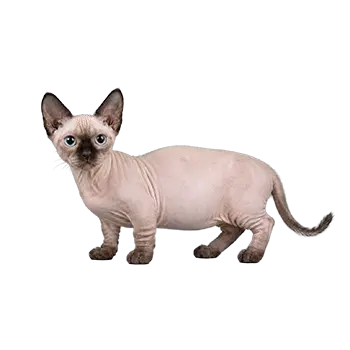

Peak Health Maintenance

The adult Minskin typically reaches full physical maturity by around two years of age and enters a period of relative stability that, with proper care, can last well into the cat's second decade of life. During the prime years, the focus shifts from the rapid developmental changes of kittenhood to consistent preventive care and early detection of any emerging health concerns. Establishing a strong foundation of wellness now directly influences how gracefully your Minskin will age.

Annual veterinary wellness examinations are the cornerstone of adult health maintenance. These visits allow your veterinarian to perform a thorough physical evaluation, update vaccinations as needed based on risk assessment, and run baseline blood work that establishes normal reference ranges for your individual cat. Tracking trends in kidney values, liver enzymes, thyroid levels, and blood glucose over time makes it far easier to spot subtle shifts that might otherwise go unnoticed until they become clinically significant.

The Minskin's sparse coat provides an advantage in health monitoring because skin changes, lumps, or abnormalities are more visible on a less-furred body. Take advantage of this by performing regular at-home assessments, running your hands over your cat's body to feel for new bumps, changes in skin texture, or areas of sensitivity. Any new growth or persistent skin change should be documented and discussed with your veterinarian at the next visit or sooner if it appears to be growing rapidly.

Parasite prevention remains important for adult cats even in exclusively indoor environments. Fleas, intestinal parasites, and heartworm can all affect indoor cats through various transmission routes. Discuss a year-round prevention strategy with your veterinarian that accounts for your geographic region, household composition, and your Minskin's lifestyle.

Nutrition at Maturity

Nutritional needs shift when a Minskin transitions from the high-calorie demands of growth to the maintenance requirements of adulthood. An adult Minskin typically needs fewer calories per pound than a growing kitten, and failing to adjust portions accordingly is one of the most common causes of weight gain in small-breed cats. Work with your veterinarian to determine the appropriate daily caloric intake for your cat based on its body condition score, activity level, and metabolic rate.

High-quality animal protein should remain the foundation of the adult Minskin's diet. Look for foods that prioritize whole meat or meat meals as primary ingredients and provide balanced omega fatty acids that support skin health, which is especially relevant for a breed with significant skin exposure. Adequate moisture intake continues to be important, and many owners find that a combination of wet and dry food balances nutritional completeness with dental benefits and the cat's personal preferences.

Feeding schedules of two measured meals per day work well for most adult Minskins. This approach supports healthy digestion, allows you to monitor appetite changes that could indicate illness, and helps maintain a lean body condition. Treats and supplements should comprise no more than ten percent of the total daily caloric intake. If you use treats for enrichment or training, account for those calories in the overall daily food allocation.

Body condition should be assessed regularly by feeling the ribs and observing the waistline from above. In a cat of ideal weight, the ribs are easily felt with light pressure but not prominently visible, and there is a discernible tuck at the waist. Because the Minskin is a naturally small breed, even a quarter pound of excess weight represents a meaningful increase in body burden that can affect joint health and overall vitality.

Exercise & Fitness

Adult Minskins retain much of the playful energy that characterizes the breed, though activity patterns tend to stabilize into more predictable routines. Maintaining regular physical activity prevents obesity, supports cardiovascular health, preserves muscle tone, and provides essential mental stimulation that keeps your Minskin engaged and content. A sedentary Minskin is more prone to weight gain, behavioral issues, and the physical consequences of inactivity.

Interactive play remains the most effective form of exercise for adult Minskins. Sessions that engage their hunting instincts, such as chasing, stalking, and pouncing on toys, provide both physical exertion and mental engagement. Rotate through different toy types to maintain interest, and experiment with play styles to discover what your individual cat finds most stimulating. Some Minskins are highly motivated by feather toys that mimic birds, while others prefer ground-level toys that simulate small prey.

Environmental enrichment complements structured play sessions by encouraging activity throughout the day. Cat trees with appropriately spaced platforms, window perches, tunnel systems, and elevated walkways all encourage movement and exploration. The Minskin's short legs do not significantly limit their climbing ability, but providing accessible pathways to high spots ensures they can navigate their vertical space comfortably without excessive jumping strain.

Consider the overall activity budget of your adult Minskin and adjust expectations based on individual temperament. Some Minskins are naturally more active and require more intensive play, while others settle into a calmer rhythm. The goal is consistent, moderate activity rather than occasional intense bursts, and the best indicator of adequate exercise is a cat that maintains a healthy weight, sleeps well, and does not exhibit boredom-related behaviors such as excessive vocalization or destructive scratching.

Preventive Health Care

Preventive health care during the adult years is an investment that pays dividends in longevity and quality of life. Beyond annual examinations and vaccinations, preventive care encompasses dental health, parasite control, and screening for conditions that are known to affect the breeds in the Minskin's genetic background. A proactive approach catches problems when they are most treatable and least costly.

Dental disease is one of the most common health issues in adult cats and is frequently overlooked because cats are adept at hiding oral discomfort. By age three, the majority of cats have some degree of dental disease. Annual dental evaluations, and professional cleanings when recommended, help prevent the progression of periodontal disease that can lead to tooth loss, chronic pain, and even systemic infections affecting the heart, kidneys, and liver. At-home dental care such as brushing or dental treats can supplement professional cleanings.

Because the Minskin's genetic heritage includes the Sphynx and Munchkin lines, awareness of conditions associated with these breeds informs preventive screening decisions. Hypertrophic cardiomyopathy is a concern in Sphynx-related breeds, and periodic cardiac screening through auscultation or echocardiography may be recommended. Discuss with your veterinarian whether genetic testing or additional screening protocols are appropriate for your individual cat based on its lineage and any emerging symptoms.

Keep vaccination schedules current based on your veterinarian's risk assessment, maintain year-round parasite prevention, and update any changes to your cat's living situation or routine that could affect health. Indoor-only status does not eliminate all health risks, and consistent preventive care tailored to your Minskin's specific needs is the most reliable path to a long and healthy life.

Behavioral Maturity

By the time a Minskin reaches full adulthood, its personality is well established, and the breed's characteristic warmth, sociability, and playful nature should be on full display. Adult Minskins are typically confident, people-oriented cats that actively seek out human companionship and integrate themselves thoroughly into household routines. Understanding and supporting these behavioral traits enhances the bond between cat and owner and contributes to the cat's emotional well-being.

The Minskin's strong attachment to people means that significant changes in household dynamics, work schedules, or living arrangements can cause stress-related behavioral changes. Signs of stress in adult cats may include changes in litter box habits, increased hiding, over-grooming, appetite changes, or uncharacteristic aggression. When changes are unavoidable, gradual transitions and maintenance of familiar routines help buffer the impact on a sensitive and socially dependent breed.

Multi-cat households suit many adult Minskins well, provided that introductions have been handled properly and each cat has adequate resources. The Minskin's generally amiable disposition makes it a good candidate for feline companionship, which can also help mitigate loneliness during periods when human household members are away. However, individual personalities vary, and not every Minskin will welcome a feline housemate equally.

Enrichment remains critical for behavioral health throughout adulthood. A mentally stimulated Minskin is a content Minskin, and boredom can manifest as destructive behavior, excessive vocalization, or attention-seeking that crosses into nuisance territory. Puzzle feeders, novel toy rotations, controlled access to outdoor viewing, and regular interactive play sessions all contribute to a rich and satisfying environment for this intelligent and engaged breed.

Skin Care & Grooming

The Minskin's distinctive sparse coat and exposed skin require a grooming approach that differs significantly from fully furred breeds. While the lack of a dense coat eliminates many traditional grooming concerns such as matting and heavy shedding, it introduces skin care needs that are unique to partially hairless cats. A consistent grooming routine keeps your adult Minskin comfortable, clean, and healthy.

The skin of a Minskin produces oils that would normally be absorbed and distributed by a full coat. Without sufficient fur to wick away these oils, the skin can become greasy and may develop a buildup that attracts dirt and can clog pores. Regular bathing, typically every one to four weeks depending on the individual cat's oil production, helps manage this issue. Use a gentle, cat-safe shampoo and warm water, and dry the cat thoroughly afterward to prevent chilling, especially in cooler weather.

Between baths, wipe-downs with a soft, damp cloth or pet-safe grooming wipe can address localized oil buildup, particularly in skin folds, around the ears, and between the toes. The ears of Minskins tend to produce more wax than those of furred breeds and should be checked and cleaned regularly with a veterinarian-recommended ear cleaner. Nail trimming should be performed every one to two weeks, as the Minskin's nails may accumulate more debris due to the reduced fur around the nail beds.

Sun protection is an important consideration for any cat with significant skin exposure. If your Minskin enjoys lounging in sunny windows, be aware that prolonged ultraviolet exposure can cause sunburn and, over time, increase the risk of skin damage. Window films that filter ultraviolet light, or limiting sun exposure during peak hours, help protect vulnerable skin. Monitor for any changes in pigmentation, texture, or the appearance of new spots, and bring any concerns to your veterinarian's attention promptly.

Always consult a qualified professional before making any health-related decisions. This content is provided for informational reference only and should not replace professional guidance specific to your animal.