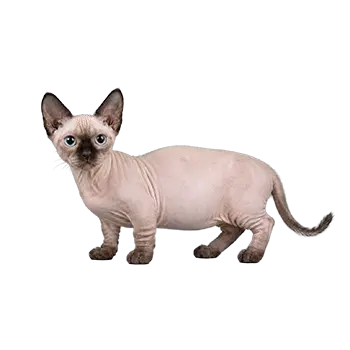

The first day of a Minskin kitten's life is a critical window that sets the foundation for healthy development. Minskin kittens are born with their eyes and ear canals sealed shut, relying entirely on warmth, touch, and scent to navigate their world. Because of their sparse coat, these kittens are even more vulnerable to temperature loss than fully furred breeds, making the immediate environment around them a top priority from the moment they arrive.
Within the first hour, each kitten should latch onto the mother and begin nursing to receive colostrum. This first milk is rich in maternal antibodies and provides passive immunity that will protect the kittens during their earliest weeks. If a kitten is struggling to latch or appears significantly smaller than its littermates, gentle intervention may be needed to guide it to a nipple or to supplement with a veterinarian-approved kitten milk replacer.
Monitor the queen closely during this period as well. A healthy mother will instinctively clean each kitten, sever the umbilical cord, and stimulate breathing. She will also begin stimulating elimination by licking the kittens' abdominal areas. Count the placentas to ensure one has been delivered for each kitten, and watch for any signs of distress in the mother such as excessive bleeding, lethargy, or refusal to attend to the litter.
Keep the nesting area quiet, dimly lit, and free from foot traffic. Minskin queens tend to be attentive mothers, but unnecessary disturbances can cause stress that may lead to rejection of kittens or interruption of nursing. Limit handling of the kittens to brief wellness checks during the first day, and ensure that the whelping box has low sides that the mother can step over but kittens cannot accidentally roll out of.