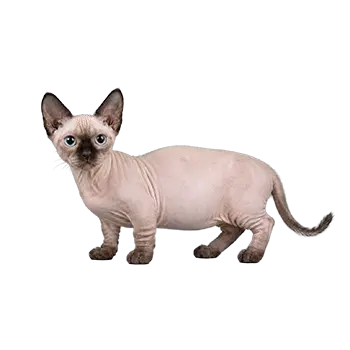

Understanding when a Minskin is approaching the end of its life requires careful observation and an honest assessment of the cat's daily experience. The signs of terminal decline may develop gradually over weeks or months, or they may appear more suddenly in the wake of an acute health crisis. Either way, recognizing these indicators allows you to shift the focus of care from treatment to comfort and to begin preparing emotionally for the difficult decisions ahead.
Common signs that a Minskin is nearing the end of life include a sustained loss of appetite that does not respond to dietary changes or appetite stimulants, progressive weight loss and muscle wasting, withdrawal from social interaction and favorite activities, increasing difficulty with mobility and basic functions, and a general decline in the cat's responsiveness to its environment. A Minskin that has always been a devoted lap cat and begins spending most of its time hiding or sleeping in isolated spots is communicating a significant change in its internal state.
Changes in grooming behavior are particularly noticeable in a breed with the Minskin's sparse coat. A cat that stops grooming may develop oily or flaky skin, and the loss of this self-care behavior often reflects a broader decline in energy and comfort. Similarly, changes in elimination patterns, including incontinence, straining, or complete cessation of urination or defecation, can signal organ failure or severe systemic illness.
It is important to distinguish between treatable conditions and irreversible decline. Some symptoms that mimic end-of-life signs can actually be caused by manageable medical issues such as infections, dental disease, or thyroid imbalance. Consult with your veterinarian to ensure that all reasonable diagnostic and therapeutic options have been considered before concluding that comfort care is the most appropriate remaining course of action.