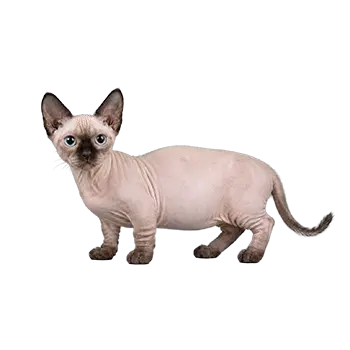

When Does Senior Begin?

Determining when a Minskin enters the senior phase of life requires consideration of both general feline aging patterns and factors specific to this breed's size and genetics. Most veterinary professionals consider cats to be senior at around eleven to twelve years of age, with the geriatric designation typically applied after fifteen years. However, individual variation is significant, and some Minskins may show signs of aging earlier or later depending on their overall health, genetics, and the quality of care they have received throughout life.

Small-breed cats like the Minskin often enjoy a somewhat longer lifespan than larger breeds, and many remain active and engaged well into their senior years. That said, the short-legged body structure inherited from the Munchkin lineage may predispose some individuals to earlier onset of joint-related discomfort, which can give the appearance of aging even before the cat is technically senior by age alone. Paying attention to subtle changes in mobility, energy levels, and daily habits is more informative than relying solely on calendar age.

The transition into the senior phase is rarely sudden. Most owners notice a gradual softening of activity levels, longer sleep periods, and perhaps a slight decrease in playfulness over the course of several months. These changes are normal aspects of aging, but they should always be distinguished from symptoms of illness. Any abrupt change in behavior, appetite, weight, or litter box habits in a mature Minskin warrants veterinary investigation rather than dismissal as simply getting older.

Once your Minskin reaches the senior threshold, veterinary visits should increase to twice annually. Semi-annual examinations allow for more frequent monitoring of blood work, kidney function, thyroid levels, and blood pressure, all of which can change relatively quickly in aging cats. Early detection of age-related conditions is the single most effective strategy for maintaining quality of life during the senior and geriatric years.

Mobility & Joint Health

Joint health is a particularly important consideration for senior Minskins because their short-legged conformation places distinct biomechanical demands on the musculoskeletal system. While many Minskins navigate their compact frame with impressive agility throughout their lives, the cumulative effects of years of movement can lead to arthritis, stiffness, and decreased range of motion in aging joints. Observing your cat's movement patterns closely allows you to catch early signs of discomfort before they significantly impact quality of life.

Signs of joint pain in cats are often subtle because felines instinctively mask discomfort. A senior Minskin with joint issues may hesitate before jumping, choose lower resting spots than it previously preferred, show reluctance to use stairs, or groom less thoroughly in areas that require twisting or stretching. Changes in litter box habits can also signal joint pain if the cat finds it difficult to step over high-sided boxes or assumes a comfortable position for elimination.

Environmental modifications can dramatically improve the daily comfort of a senior Minskin with mobility challenges. Provide ramps or pet stairs to favorite perches and furniture, switch to litter boxes with low entry points, and ensure that food, water, and resting areas are all easily accessible without requiring climbing or jumping. Heated beds and pads offer soothing warmth that can ease stiff joints, and the Minskin's sparse coat means they benefit even more from supplemental warmth during cooler months.

Discuss joint support options with your veterinarian, which may include prescription joint supplements, anti-inflammatory medications, or complementary therapies such as therapeutic massage or controlled exercise programs. Weight management is crucial, as even slight excess weight amplifies the stress on compromised joints. A comprehensive approach that combines environmental adaptation, veterinary management, and weight control gives your senior Minskin the best chance at comfortable, mobile golden years.

Cognitive Changes

Cognitive decline is a recognized aspect of feline aging, and senior Minskins may experience changes in mental acuity that affect behavior, habits, and social interaction. Feline cognitive dysfunction syndrome shares many characteristics with dementia in humans and can manifest as disorientation, altered sleep-wake cycles, changes in social behavior, house soiling, increased vocalization, and apparent confusion in familiar environments.

Early signs of cognitive change are often subtle and easy to overlook or attribute to normal aging. A senior Minskin may stare blankly at walls, seem momentarily lost in a room it has lived in for years, forget the location of the litter box or food bowl, or vocalize loudly during the night without apparent cause. These behaviors warrant a veterinary evaluation to rule out medical causes such as hyperthyroidism, hypertension, or pain, which can produce similar symptoms and are treatable.

Mental stimulation can help slow cognitive decline and maintain neural function in aging cats. Continue to provide puzzle feeders, gentle interactive play, and novel sensory experiences appropriate to your senior Minskin's energy level. Even brief daily enrichment sessions engage the brain and reinforce cognitive pathways. Social interaction with family members also provides important mental engagement, and the Minskin's lifelong attachment to its people makes this a natural and mutually rewarding form of cognitive support.

Maintaining environmental consistency becomes increasingly important for a cat experiencing cognitive changes. Avoid rearranging furniture or changing the locations of litter boxes, food stations, and bedding. Night lights in hallways and frequently used rooms can help a disoriented cat navigate after dark. Patience and compassion are essential when caring for a cognitively declining cat, and your veterinarian can discuss pharmaceutical options that may help manage symptoms if behavioral and environmental strategies alone are insufficient.

Nutrition for Aging

The nutritional needs of a senior Minskin differ meaningfully from those of an adult in its prime, and dietary adjustments play an important role in supporting aging organ systems and maintaining body condition. Older cats often experience changes in digestive efficiency, which can affect nutrient absorption and lead to gradual weight loss even when appetite appears unchanged. Conversely, decreased activity levels can predispose some seniors to weight gain if caloric intake is not adjusted.

Senior-formulated cat foods are designed to address the changing needs of aging felines, typically offering highly digestible proteins, adjusted phosphorus levels to support kidney function, increased antioxidants for immune support, and supplemental omega fatty acids for skin and joint health. Because the Minskin's exposed skin continues to require nutritional support throughout life, adequate fatty acid intake remains particularly relevant. Your veterinarian can recommend a diet or combination of diets tailored to your individual cat's health profile and any diagnosed conditions.

Hydration becomes an even greater priority in the senior years, as aging kidneys may become less efficient at concentrating urine, leading to increased water loss. Encourage fluid intake by offering a pet water fountain, adding warm water or low-sodium broth to wet food, or providing multiple water stations throughout the home. Monitoring water consumption and urine output provides early clues about kidney function that can prompt timely veterinary investigation.

Appetite changes in senior cats should always be taken seriously. A gradual decline in food intake, increased pickiness, difficulty chewing, or signs of nausea can all indicate underlying medical conditions ranging from dental disease to organ dysfunction. Regular weigh-ins at home help track body condition trends, and any unexplained weight change of more than a few ounces in a cat this small should be discussed with your veterinarian.

Increased Veterinary Care

Senior Minskins benefit from a more intensive veterinary care schedule that reflects the increased likelihood of age-related health conditions. Transitioning from annual to semi-annual wellness visits allows your veterinarian to monitor trends in bloodwork, detect emerging conditions early, and adjust preventive care protocols as your cat's needs evolve. The investment in more frequent veterinary contact pays for itself many times over through early intervention and prevention of advanced disease.

Comprehensive senior blood panels typically include a complete blood count, chemistry profile, thyroid screening, and urinalysis. These tests evaluate the function of major organ systems including the kidneys, liver, and thyroid gland, all of which are common sites of age-related disease in cats. Blood pressure measurement should also be part of the routine senior evaluation, as hypertension is common in older cats and can cause significant damage to the eyes, kidneys, brain, and heart if left untreated.

Dental health often deteriorates in senior cats and can become a significant source of chronic pain that affects eating, grooming, and overall quality of life. Dental evaluations and professional cleanings under anesthesia become more important with age, though the decision to pursue anesthetic procedures in a senior cat requires careful discussion of the risks and benefits with your veterinarian. Pre-anesthetic bloodwork and appropriate monitoring protocols help minimize procedural risks for older patients.

Develop a collaborative relationship with your veterinarian that emphasizes open communication about your observations at home. No one knows your Minskin better than you, and subtle changes that you notice in daily behavior, appetite, hydration, litter box output, and activity level provide invaluable clinical information that complements the data gathered during veterinary examinations. Together, you and your veterinary team can create a care plan that maximizes comfort and quality of life throughout your Minskin's senior years.

Quality of Life Assessment

Assessing and maintaining quality of life is the overarching goal of senior cat care, and it requires honest, ongoing evaluation of your Minskin's physical comfort, emotional well-being, and daily enjoyment of life. Quality of life is not a single measurement but a dynamic balance of factors that shifts over time as health conditions progress and new challenges emerge. Regular assessment helps you make informed decisions about care and ensures that your cat's comfort remains the central priority.

Several structured quality of life scales exist to help pet owners and veterinarians evaluate a senior cat's well-being across multiple dimensions. These typically assess pain levels, appetite and hydration, hygiene and grooming ability, mobility, engagement with family and environment, and the ratio of good days to difficult ones. While no scale can capture every nuance of an individual cat's experience, working through these frameworks provides a useful structure for reflection and discussion with your veterinary team.

The Minskin's strong social bond with its family can be both a blessing and a complication when assessing quality of life. Because these cats are so attuned to their owners and so motivated by human interaction, a Minskin may continue to seek attention and affection even when experiencing significant discomfort. It is important to look beyond social engagement alone and evaluate the full spectrum of daily experience, including pain management, ability to perform basic functions comfortably, and overall contentment during quiet, unattended moments.

Having open, proactive conversations with your veterinarian about quality of life before a crisis arises allows you to establish thoughtful guidelines and prepare for difficult decisions without the pressure of an emergency. Understanding the trajectory of any diagnosed conditions, knowing what interventions are available and appropriate, and defining your personal values around end-of-life care all contribute to a compassionate, informed approach that honors the bond you share with your Minskin.

Always consult a qualified professional before making any health-related decisions. This content is provided for informational reference only and should not replace professional guidance specific to your animal.