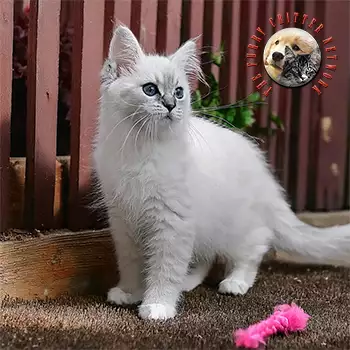

Breeding a Burmilla is a commitment that extends far beyond producing kittens—it is a deliberate effort to preserve and improve the breed while ensuring the health and welfare of every animal involved. Before any mating takes place, both the queen and the stud should undergo comprehensive health screening. This includes testing for feline leukemia virus, feline immunodeficiency virus, and blood typing, as well as a thorough physical examination by a veterinarian experienced with breeding cats.
The Burmilla is a relatively young breed, having originated in the early 1980s from an accidental cross between a Chinchilla Persian and a Burmese. This history means the breed's gene pool is comparatively small, making genetic diversity a serious consideration for responsible breeders. Understanding the pedigrees of both prospective parents is essential to avoid excessive inbreeding and to minimize the risk of concentrating genetic health issues within the resulting litter.
A Burmilla queen should not be bred before she is fully mature, which typically means waiting until at least her second heat cycle and ideally until she is at least one year of age. Breeding an immature cat increases the risk of complications during pregnancy and delivery, and may compromise the health of both the mother and the kittens. The queen should be at a healthy weight, up to date on all vaccinations, and free of parasites before breeding is considered.
The stud cat should likewise be in excellent health, with a proven temperament that exemplifies the Burmilla standard—gentle, sociable, and free of aggression. Temperament is heritable, and selecting for personality is just as important as selecting for physical traits. Both parents should have been evaluated against the breed standard by knowledgeable judges or mentors, confirming that the pairing has the potential to produce kittens that strengthen the breed.