
Burmilla Cat Breed Guide - Furry Critter Network

Burmilla

Quick Facts

📏 Height
8-10 inches
⚖️ Weight
6-13 pounds
⏱️ Lifespan
10-15 years
📊 Size Category
Medium
🏆 Breed Group
Hybrid
✨ Coat Type
Short to Medium
😊 Temperament
Affectionate, playful, sociable, gentle, intelligent, easygoing
🏃 Exercise Needs
Moderate
💇 Grooming Needs
Moderate
🔊 Vocalization
Moderate
🌍 Origin
United Kingdom

Burmilla - Names & Recognition

The Burmilla name derives from its parent breeds: the Burmese and the Chinchilla Persian. When Baroness Miranda von Kirchberg's lilac Burmese female, Fabergé, accidentally bred with her husband's Chinchilla Persian male, Sanquist, in 1981, the resulting kittens were so stunning that they inspired the development of a new breed. The name "Burmilla" cleverly combines "Burm" from Burmese and "illa" from Chinchilla, perfectly capturing the breed's dual heritage.

While Burmilla is the universally recognized name for this breed, it is sometimes informally referred to as the "Silver Burmese" due to the distinctive silver-shaded coat that most exemplifies the breed. However, this nickname can be misleading as Burmillas are not simply silver-colored Burmese cats but a distinct breed with unique characteristics from both parent breeds.

The breed is officially recognized by several international cat registries, including the Governing Council of the Cat Fancy (GCCF) in the United Kingdom, Fédération Internationale Féline (FIFe) in continental Europe, and The International Cat Association (TICA), though they remain relatively rare in North America. The Cat Fanciers' Association (CFA) does not currently recognize the Burmilla, which contributes to their limited presence in the United States.

Within the breed, there are two coat length varieties: short-haired and semi-longhaired (sometimes called Tiffanie in some countries, though this name varies by registry). Both varieties share the same breed standard aside from coat length, and both can appear in the same litter. The short-haired variety is more common and more closely resembles the original accidental cross that founded the breed.

Breed enthusiasts sometimes use descriptive terms like "shaded" or "tipped" when discussing coat patterns. Shaded Burmillas have darker pigmentation on the tips of each hair with the color extending approximately one-third down the hair shaft, creating a more dramatic appearance. Tipped (or shell) Burmillas have minimal pigmentation on just the tips of the hair, resulting in a lighter, more delicate appearance. Both patterns are recognized and valued in the breed standard.

Burmilla Physical Description

The Burmilla is a medium-sized cat with males typically weighing 8-13 pounds and females ranging from 6-10 pounds. They possess an elegant yet muscular build that reflects their Burmese heritage, with a body that is neither cobby nor overly elongated. Their overall appearance strikes a pleasing balance between the robust Burmese and the refined Persian, resulting in a cat that appears substantial without being heavy.

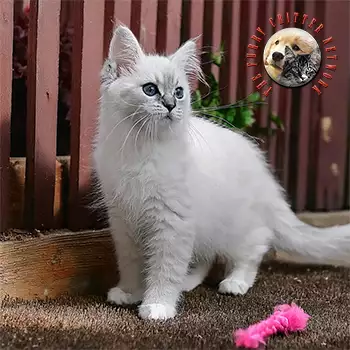
The Burmilla's most distinctive feature is its stunning coat, which displays a silver or golden undercoat with darker tipping or shading. The most common and prized coloring is black silver shaded, where a pure silver-white undercoat is overlaid with black tipping. The coat has a luminous quality that seems to shimmer in light, enhanced by the distinct tipping pattern. The short-haired variety has a soft, dense coat with a silky texture, while the semi-longhaired variety features a fine, silky coat with a ruff around the neck and a plumed tail.

One of the breed's most captivating features is its large, expressive eyes. Burmilla eyes are typically green, ranging from yellow-green to deep emerald, outlined with dark "eyeliner" markings that create an alluring, made-up appearance. The eyes are large, slightly tilted, and well-spaced, contributing to the breed's sweet, open expression. This distinctive eye rim, combined with nose liner and lip liner markings in darker tones, gives Burmillas a uniquely striking facial appearance.

The Burmilla's head is gently rounded with a short to medium nose that shows a gentle dip in profile—a modification of the Burmese profile that avoids the extreme break of the Persian. Their ears are medium to large, broad at the base with slightly rounded tips, and set with a slight forward tilt that gives them an alert, interested expression. The cheeks are gently rounded, and the chin is firm, creating a pleasant facial structure.

Their legs are proportionate to the body with medium bone structure, and the paws are oval-shaped and neat. The tail is medium to long, tapering slightly to a rounded tip, and is carried slightly lower than the back when moving. In semi-longhaired Burmillas, the tail develops an attractive plume that adds to their elegant appearance. The overall impression is of a graceful, well-balanced cat with exotic good looks and a gentle, approachable demeanor.

Affection Level
Burmillas are exceptionally affectionate cats that form deep bonds with their families. They love being near their owners and often follow them around the house. While not overly demanding, they enjoy cuddles and lap time, making them wonderful companions for those seeking a loving, devoted pet.
Friendliness
The Burmilla is known for its friendly and outgoing nature. They typically welcome visitors with curiosity rather than fear and adapt well to new people. Their sociable personality makes them excellent family pets who enjoy being part of household activities and social gatherings.
Child-Friendly
Burmillas are patient and gentle with children, making them ideal family companions. They tolerate the noise and activity of family life well and enjoy interactive play with respectful kids. Their easygoing nature and moderate energy level make them suitable for families with children of various ages.
Pet-Friendly
These cats generally get along well with other pets, including cats and dogs. Their friendly disposition and moderate temperament help them integrate smoothly into multi-pet households. They enjoy feline companionship and can adapt to living with well-mannered dogs when properly introduced.
Exercise Needs
Burmillas have moderate exercise needs, enjoying playful sessions but not requiring constant activity. They appreciate interactive play with toys and short climbing sessions but are also content to relax between activities. Daily play sessions of 15-20 minutes typically satisfy their exercise requirements.
Playfulness
While not hyperactive, Burmillas maintain a playful spirit throughout their lives. They enjoy interactive games, chasing toys, and puzzle activities. Their playfulness is balanced with periods of calm, making them entertaining without being exhausting. They often retain kitten-like playfulness well into adulthood.
Energy Level
Burmillas possess a moderate energy level that balances activity with relaxation. They enjoy bursts of playful energy followed by contentment to rest and observe their surroundings. This balanced energy makes them adaptable to various household dynamics, from active families to quieter environments.
Intelligence
Burmillas are intelligent cats that learn quickly and enjoy mental challenges. They can learn tricks, solve puzzle toys, and understand household routines. Their intelligence combined with their people-oriented nature makes them responsive to training and interactive play. They observe and learn from their environment effectively.
Tendency to Vocalize
Burmillas are moderately vocal, more talkative than some breeds but less demanding than others like Siamese. They communicate with soft chirps and gentle meows, typically vocalizing to greet their owners or express needs. Their voice is generally pleasant and not intrusive or excessive.
Amount of Shedding
Burmillas shed moderately, with seasonal increases in spring and fall. Their short to medium coat requires regular grooming to manage shedding and keep it looking its best. While not heavy shedders, they do release enough hair that regular brushing helps minimize loose fur around the home.

Burmilla History & Origins

The Burmilla breed has one of the most charming origin stories in the feline world, beginning with a serendipitous accident in 1981. Baroness Miranda von Kirchberg of the United Kingdom owned a lilac Burmese female named Fabergé and had recently acquired a Chinchilla Persian male named Sanquist as a gift for her husband. The Persian was awaiting neutering and was temporarily housed separately from the resident cats. However, a cleaner inadvertently left doors open one evening, allowing Sanquist to visit Fabergé.

The unplanned mating resulted in four female kittens born in 1981, each displaying an irresistible combination of the Burmese body type and temperament with the stunning silver-tipped coat of the Chinchilla Persian. The kittens were so attractive and charming that Baroness von Kirchberg decided to develop them into a new breed rather than simply spaying them and placing them as pets. She named the breed "Burmilla" to honor both parent breeds.

To establish the breed, the Baroness began a careful breeding program that outcrossed the original kittens back to Burmese to establish type and to Chinchilla Persians to maintain the distinctive coat. Additional breeders became interested in the project, and a breed club was formed in 1984. The breeding program aimed to combine the best qualities of both parent breeds while avoiding potential health issues associated with the Persian's extreme facial structure.

The Governing Council of the Cat Fancy (GCCF), the United Kingdom's premier cat registry, granted preliminary recognition to the Burmilla in 1984, remarkably quickly for a new breed. This early recognition helped establish breeding standards and encouraged responsible development. By 1990, the breed achieved full championship status with the GCCF, allowing Burmillas to compete for titles at cat shows.

The breed's development involved establishing consistent type while allowing for color variety. Breeders worked to refine the body type, maintaining the moderate, muscular build of the Burmese while avoiding the cobby extreme. They also focused on preserving the distinctive silver-tipped coat while developing additional color varieties. The semi-longhaired variety emerged naturally as a recessive trait from the Chinchilla Persian heritage.

International recognition followed, with Fédération Internationale Féline (FIFe) accepting the breed in the 1990s, allowing European breeders to work with the variety. The International Cat Association (TICA) granted recognition in 2011, bringing the breed to North American attention. Despite this recognition, Burmillas remain relatively rare outside the United Kingdom, with small but dedicated breeding communities in Australia, New Zealand, and continental Europe.

The Cat Fanciers' Association (CFA) has not yet recognized the Burmilla, which limits their presence in the United States. This lack of CFA recognition, combined with the breed's relatively recent development, means Burmillas are still considered an uncommon breed globally. However, those who discover the breed often become devoted enthusiasts, appreciating their unique combination of beauty, personality, and moderate care needs.

Today's Burmilla remains true to the vision of its founder—a cat that combines the loving, playful temperament of the Burmese with the striking silver coat and gentle nature influenced by the Persian heritage. The breed represents a successful example of controlled hybrid development, producing cats that are healthy, beautiful, and wonderfully companionable.

Burmilla Temperament & Personality

The Burmilla's temperament beautifully blends the best personality traits of its parent breeds, resulting in a cat that is affectionate without being demanding, playful without being hyperactive, and sociable without being intrusive. They are known for their sweet, gentle nature and their strong attachment to their human families. Burmillas form deep bonds with their owners and prefer to be involved in household activities, following family members from room to room and observing daily routines with interest.

Unlike some breeds that are intensely independent or overly clingy, Burmillas strike an appealing balance. They enjoy companionship and physical affection, often seeking lap time and cuddles, but they're also content to simply be near their owners without constant interaction. This makes them ideal for people who want an affectionate companion that respects personal space. Many Burmillas will curl up beside their owner while they work or relax, offering companionship without demanding constant attention.

The breed exhibits a playful, kitten-like quality throughout their lives, though their playfulness is moderate rather than manic. They enjoy interactive play sessions with toys, particularly those that allow them to exercise their hunting instincts like feather wands and small prey toys. Burmillas are intelligent enough to enjoy puzzle toys and can learn to play fetch. However, they don't require the constant stimulation needed by more energetic breeds, making them suitable for moderately active households.

Social by nature, Burmillas typically welcome visitors and adapt well to new situations when properly socialized. They're not typically shy or skittish, instead approaching new experiences with curiosity and confidence. This sociability extends to their interactions with other pets—Burmillas usually integrate well into multi-pet households and often seek out feline companionship. They're rarely aggressive and tend to avoid conflict, preferring to retreat rather than fight when uncomfortable.

Burmillas are moderately vocal, inheriting some of the Burmese tendency to communicate but without the demanding volume of that breed. They typically vocalize to greet their owners, request meals, or draw attention to something they find interesting. Their voice is generally soft and pleasant, and they're good at modulating their communication to the situation. Most owners find their vocal nature endearing rather than annoying.

The breed demonstrates emotional intelligence and sensitivity to their owners' moods. Many Burmillas seem to know when their humans need comfort and will offer affection during difficult times. This empathetic quality makes them excellent emotional support animals and wonderful companions for people living alone or those dealing with stress. They're attentive without being overbearing, providing comfort through their calming presence.

Despite their generally easygoing nature, Burmillas do need regular interaction and can become lonely if left alone for extended periods. They're best suited to households where someone is home for much of the day or where another pet provides companionship. When their social needs are met, Burmillas are adaptable, content, and bring a peaceful, loving energy to their homes. Their balanced temperament makes them excellent first cats for people new to cat ownership and beloved companions for experienced cat lovers.

Care Requirements

Caring for a Burmilla is relatively straightforward compared to more high-maintenance breeds, though they do benefit from consistent attention and routine care. Their moderate activity level means they don't require the extensive exercise regimens needed by highly active breeds, but they do appreciate daily play sessions. Two or three 10-15 minute interactive play periods throughout the day help maintain physical health, provide mental stimulation, and strengthen the bond between cat and owner.

Provide environmental enrichment through cat trees, window perches, and toys that encourage natural behaviors like climbing, scratching, and hunting. Burmillas enjoy having multiple levels to explore and appreciate safe viewing spots where they can observe household activities and outdoor wildlife. Rotating toys regularly maintains their interest and prevents boredom. Puzzle feeders and treat-dispensing toys offer mental challenges that engage their intelligence.

While Burmillas can adapt to various living situations, they thrive in stable, calm environments. They do well in apartments or houses, and their moderate energy level makes them suitable for smaller spaces provided they have adequate vertical territory and enrichment. Most Burmillas are content as indoor-only cats when their environmental and social needs are met, and indoor living is strongly recommended for their safety and health.

Social interaction is a crucial aspect of Burmilla care. These cats need regular attention from their families and don't do well when isolated or ignored for long periods. If your work schedule keeps you away from home for extended hours, consider adopting two cats so they can keep each other company. Burmillas often bond closely with feline companions, providing mutual entertainment and comfort. When introducing a new cat, follow gradual introduction protocols to ensure a smooth transition.

Litter box management requires the standard one box per cat plus one extra rule. Burmillas are typically fastidious about litter box cleanliness and may refuse to use a dirty box. Scoop daily and clean thoroughly at least weekly. Place boxes in quiet, easily accessible locations away from food and water bowls. Most Burmillas adapt readily to various litter types, though sudden changes should be made gradually.

Regular veterinary care is essential for maintaining health. Schedule annual wellness examinations where your veterinarian can check for early signs of health issues, assess weight and body condition, and update vaccinations. Establish a relationship with a trusted veterinarian early so your Burmilla becomes comfortable with the clinic environment. Maintain current vaccinations based on your cat's lifestyle and risk factors, and implement year-round parasite prevention even for indoor cats.

Burmillas should be spayed or neutered unless part of a responsible breeding program. This prevents unwanted litters, reduces certain health risks, and often results in calmer, more content pets. Most veterinarians recommend spaying or neutering between 4-6 months of age, though the timing can be adjusted based on individual circumstances. Microchipping provides permanent identification that can help reunite you with your cat if they ever become lost.

Feeding & Nutrition

Feeding a Burmilla properly involves providing high-quality nutrition appropriate for their age, activity level, and health status. As obligate carnivores, cats require diets high in animal-based protein to support their metabolic needs, maintain lean muscle mass, and provide energy. Look for cat foods that list meat, poultry, or fish as the primary ingredient, with protein content of at least 26-30% for adults and 30-40% for kittens and active adults.

Both dry and wet food can be part of a healthy diet, though many veterinarians recommend incorporating wet food for its moisture content and palatability. Wet food contains approximately 75-80% water, supporting hydration and urinary tract health. Some owners feed exclusively wet food, while others combine wet and dry, offering wet food for main meals and leaving a small amount of dry food for grazing. The choice depends on your cat's preferences, your schedule, and your veterinarian's recommendations.

Portion control is important even for moderately active Burmillas. The breed can be prone to weight gain if overfed, particularly as they age and activity levels naturally decline. Follow feeding guidelines on your chosen cat food package, adjusting amounts based on your cat's body condition. Adult Burmillas typically need 200-250 calories daily, though individual requirements vary. Avoid free-feeding unless your cat demonstrates excellent self-regulation, as many cats will overeat when food is constantly available.

Establish regular feeding times rather than leaving food out all day. Most adult Burmillas do well with two meals daily, spaced approximately 8-12 hours apart. Scheduled feeding helps you monitor food intake, makes it easier to notice changes in appetite that might indicate health issues, and creates a routine that many cats find comforting. Kittens require more frequent feeding—three to four small meals daily until about six months of age.

Some Burmillas may have food sensitivities or allergies, though this is not particularly common in the breed. Signs of food sensitivity include vomiting, diarrhea, excessive itching, or skin issues. If you notice these symptoms, consult your veterinarian, who may recommend an elimination diet or novel protein source to identify problematic ingredients. Common allergens in cats include certain proteins, corn, wheat, and soy.

Fresh, clean water must be available at all times. Change water daily and wash bowls regularly to prevent bacterial growth. Some cats prefer running water, so consider providing a cat water fountain to encourage adequate hydration. Proper hydration supports kidney health, helps prevent urinary tract issues, and contributes to overall wellbeing. Monitor water intake, as changes can indicate health problems.

Treats should be given in moderation, comprising no more than 10% of daily caloric intake. While treats are useful for training and bonding, overuse can lead to nutritional imbalances and weight gain. Choose healthy treat options like small pieces of cooked chicken, commercial cat treats designed for nutritional balance, or special treat foods recommended by your veterinarian. Avoid human foods that are toxic to cats, including chocolate, onions, garlic, grapes, and xylitol.

As your Burmilla ages, dietary needs may change. Senior cats often benefit from foods formulated for mature cats that support joint health, maintain muscle mass, and provide appropriate calorie levels for decreased activity. Cats with health conditions like kidney disease, diabetes, or urinary tract issues may require prescription diets. Work closely with your veterinarian to adjust your cat's diet as needed throughout their life stages.

Burmilla Health & Lifespan

Burmillas are generally healthy cats with robust constitutions inherited from their diverse genetic background. The hybrid nature of the breed provides genetic diversity that helps protect against some inherited conditions common in purebred lines. With proper care, regular veterinary attention, and appropriate nutrition, Burmillas typically live 10-15 years, with some individuals reaching their late teens. While generally hardy, the breed can be predisposed to certain health conditions, some inherited from their parent breeds.

While Burmillas can develop these health conditions, most live long, healthy lives with proper care and attention. Choosing a kitten from a reputable breeder who conducts health screenings on breeding cats significantly reduces the risk of inherited conditions. As an owner, staying vigilant about preventive care, maintaining a healthy weight, and addressing concerns promptly provides the foundation for your Burmilla's lifelong health and happiness.

Common Health Issues

  • Polycystic Kidney Disease - PKD, : This inherited condition, potentially passed from the Persian side of the breed, causes fluid-filled cysts to develop in the kidneys. PKD is progressive and can lead to kidney failure, though onset is typically in middle to older age. Reputable breeders screen for PKD through DNA testing or ultrasound. Early detection allows for management through diet and medication to slow progression.
  • Allergies: Some Burmillas develop allergies to environmental factors - Pollen, dust mites, mold, or food ingredients. Symptoms include excessive scratching, skin irritation, hair loss, or gastrointestinal upset. Allergies are typically manageable through environmental control, dietary modification, or medications. Your veterinarian can help identify triggers and develop an appropriate management plan.
  • Dental Disease: Like many cats - Burmillas can be prone to dental issues including gingivitis, periodontal disease, and tooth resorption. Poor dental health affects overall health and can cause pain and difficulty eating. Prevention through regular tooth brushing, dental treats, and professional cleanings is more effective than treating advanced disease. Annual dental examinations identify problems early.
  • Obesity: While not a disease per se - Obesity is a significant health risk in Burmillas, particularly those who are spayed or neutered and have decreased activity levels. Excess weight increases the risk of diabetes, joint problems, and other health issues. Prevention through portion control and regular exercise is crucial. Monitor body condition regularly and adjust feeding if weight gain occurs.
  • Respiratory Issues: Some Burmillas may inherit a slight tendency toward respiratory sensitivity from the Persian line - Though this is less common than in flat-faced breeds. Signs include sneezing, nasal discharge, or breathing difficulty. Most cases are mild and manageable, but persistent respiratory symptoms warrant veterinary evaluation to rule out infections or more serious conditions.
  • Renal Amyloidosis: Though rare in Burmillas - This condition can occur due to the Burmese heritage. It involves abnormal protein deposits in the kidneys, leading to kidney dysfunction. Symptoms include increased thirst and urination, weight loss, and lethargy. While there's no cure, early detection allows for supportive care that can improve quality of life and potentially slow progression.

Preventive Care & Health Monitoring

  • Regular Veterinary Examinations: Annual wellness visits allow early detection of health issues when they're most treatable. During examinations, veterinarians assess weight, dental health, heart and lung function, and overall body condition. Senior Burmillas - Over 10 years, benefit from twice-yearly check-ups and may need additional screening tests like bloodwork to monitor organ function.
  • Vaccinations and Parasite Control: Maintain current vaccinations appropriate for your cat's lifestyle and risk level. Core vaccines protect against rabies - Feline viral rhinotracheitis, calicivirus, and panleukopenia. Discuss non-core vaccines with your veterinarian based on your cat's exposure risk. Year-round parasite prevention protects against fleas, ticks, heartworms, and intestinal parasites even in indoor cats.
  • Dental Care: Establish a dental hygiene routine including regular tooth brushing with cat-specific toothpaste and toothbrush. Daily brushing is ideal - Though several times weekly provides significant benefit. Annual professional dental cleanings remove tartar below the gum line and allow examination for problems not visible externally. Good dental health supports overall wellbeing and longevity.
  • Weight Management: Monitor your Burmilla's weight and body condition regularly - Adjusting food portions and ensuring adequate exercise to maintain optimal weight. You should be able to feel but not see your cat's ribs, and they should have a visible waist when viewed from above. Regular play sessions and controlled portions prevent obesity and associated health problems throughout life.

Coat Color & Grooming

The Burmilla's coat is its crowning glory—a shimmering display of silver or gold with delicate tipping or shading that creates an ethereal appearance. The most common and recognizable variety is the black silver shaded, featuring a pure silver-white undercoat with black tipping on each hair. The tipping creates a gradient effect, with darker coloring on the back, sides, head, ears, and tail, gradually lightening toward the underparts. This creates a stunning mantle effect that distinguishes the breed.

Burmillas come in two pattern types: shaded and tipped (sometimes called shell). Shaded patterns show darker coloring extending approximately one-third down each hair shaft, creating more dramatic contrast and definition. Tipped patterns have minimal coloring only at the very tips of the hairs, resulting in a lighter, more delicate appearance often called "shell." Both patterns are equally valued in the breed standard and showcase the distinctive tipping that makes Burmillas so attractive.

Color varieties extend beyond black silver to include chocolate, lilac, blue, caramel, and red, as well as tortoiseshell variations. The silver series (with silver-white undercoats) is most common and prized, but golden varieties (with warm cream undercoats) also exist. All colors feature the characteristic darker tipping over lighter undercoats. Eye color is typically green in various shades, though amber is acceptable in some color varieties, particularly red and cream.

One of the Burmilla's most distinctive features is the "makeup" appearance created by dark pigmentation around the eyes, nose, and lips. This natural eyeliner, nose liner, and lip liner gives them a permanently made-up look that enhances their expressive eyes and sweet facial expression. The overall effect is sophisticated and exotic, contributing significantly to the breed's appeal.

Grooming requirements for Burmillas are moderate and manageable. Short-haired Burmillas need weekly brushing with a soft bristle brush or grooming mitt to remove dead hair and distribute natural oils for a healthy shine. The semi-longhaired variety requires more attention—brushing 2-3 times weekly prevents tangles and mats, particularly in the ruff, britches, and tail. Both varieties have relatively low-maintenance coats compared to full Persian types, as the Burmilla coat lacks the dense undercoat that causes severe matting.

Increased grooming during seasonal shedding periods (typically spring and fall) helps manage loose hair. Most Burmillas shed moderately year-round with heavier shedding during seasonal transitions. Regular grooming sessions minimize loose hair around the home and provide bonding time between cat and owner. Many Burmillas enjoy brushing and will purr contentedly during grooming sessions, making it a pleasant activity for both parties.

Baths are rarely necessary for Burmillas unless they get into something messy. Their coat naturally resists soiling and maintains cleanliness through regular self-grooming. If bathing is needed, use lukewarm water and a mild cat-specific shampoo, rinsing thoroughly to prevent residue. Ensure your cat is completely dry before allowing them to roam, as damp cats can become chilled.

Nail trimming every 2-3 weeks keeps claws from becoming overgrown and reduces damage from scratching. Provide sturdy scratching posts or pads to satisfy natural scratching instincts while protecting furniture. Regular ear checks and cleaning when necessary help prevent infections—use veterinarian-approved ear cleaner and never insert anything into the ear canal. The overall grooming routine for Burmillas is straightforward, contributing to their reputation as relatively low-maintenance cats with high aesthetic appeal.

Children & Other Pets

Burmillas are excellent family cats that typically adapt well to households with children. Their patient, gentle nature makes them tolerant of the noise and activity that comes with family life, and they rarely display aggression even when handled clumsily. However, as with any cat breed, supervision and teaching children proper interaction are essential for everyone's safety and comfort. Children should learn to approach cats calmly, recognize signs that the cat needs space, and understand that cats are not toys.

The Burmilla's moderate energy level matches well with families. They're playful enough to engage in interactive games with children but not so hyperactive that they become overwhelming or rough. They enjoy gentle play sessions with respectful kids and often seek out child companions for attention and entertainment. Their social nature means they typically don't hide or avoid children as some more timid breeds might, instead choosing to participate in family activities.

Teaching children to interact appropriately with the family Burmilla creates positive relationships. Kids should learn to use toys rather than hands for play, preventing the development of play aggression and protecting small fingers from scratches. They should understand that pulling tails or ears, picking up cats improperly, or cornering them causes stress and potential defensive reactions. Supervised interactions and clear rules help children and cats coexist happily.

Burmillas generally need a safe retreat space where they can escape when overwhelmed. This might be a cat tree, a quiet room, or an elevated perch inaccessible to young children. Respecting the cat's need for occasional solitude prevents stress and ensures the cat always has an escape route if interaction becomes too intense. Teaching children to recognize when the cat seeks alone time fosters respect and prevents negative interactions.

Regarding other pets, Burmillas are known for their friendly, accepting nature toward both cats and dogs. They typically integrate smoothly into multi-pet households when introductions are conducted properly. Their sociable temperament means they often seek out companionship from other cats and can form close bonds with feline housemates. Having a feline friend provides mutual entertainment and comfort, particularly in households where humans are away during the day.

When introducing a Burmilla to existing cats, follow standard introduction protocols involving scent swapping, visual barriers, and gradually supervised meetings. Most Burmillas are accepting and non-aggressive toward other cats, preferring to establish peaceful coexistence rather than compete aggressively for territory. They adapt to established hierarchies and usually find their place in multi-cat homes without significant conflict.

Burmillas can also coexist peacefully with cat-friendly dogs, particularly when raised together from a young age. Their confident but non-confrontational nature prevents them from being intimidated by dogs while avoiding aggressive interactions. Proper introductions involving controlled, supervised meetings help establish positive relationships. The Burmilla's moderate activity level means they're less likely to trigger strong chase instincts in dogs compared to more hyperactive breeds.

Small pets such as birds, hamsters, or fish may be at risk around Burmillas, as all cats retain natural hunting instincts. While some Burmillas can learn to coexist with small animals, close supervision is essential, and prey animals should always be secured in sturdy enclosures inaccessible to the cat. Never assume any cat will consistently ignore prey-sized animals regardless of training or habituation.

With appropriate introduction, supervision, and respect for individual personalities, Burmillas typically thrive in diverse family situations. Their balanced temperament, gentle nature, and social inclinations make them adaptable companions suitable for various household compositions, from single-person homes to bustling multi-generational families with multiple pets.