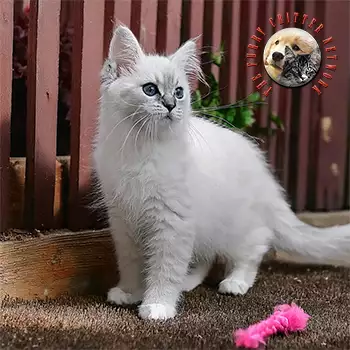

The first day of a Burmilla kitten's life is a critical window that sets the tone for healthy development. Kittens are born with their eyes and ear canals sealed shut, relying entirely on warmth, touch, and scent to navigate toward their mother. A healthy Burmilla newborn will instinctively crawl toward the queen within minutes of birth and begin rooting for a nipple. Their movements are limited to a slow, paddling crawl, but this early mobility is an important sign of neurological health.
During these first hours, the queen will clean each kitten thoroughly, stimulating breathing and circulation by licking away the amniotic membrane. She will also sever and consume the umbilical cord. It is important to observe this process without unnecessary interference, though you should step in if the queen seems disoriented or fails to clear a kitten's airway. Keep a stack of clean, soft towels nearby and ensure a calm, dimly lit environment to reduce stress on the mother.
Colostrum intake within the first twelve to twenty-four hours is essential. This first milk is rich in maternal antibodies that provide passive immunity against common infections during the weeks before the kittens can build their own defenses. Each kitten should nurse multiple times during this window. If a kitten appears weak or is being pushed aside by stronger littermates, you may need to gently rotate nursing positions or supplement with a veterinarian-approved kitten milk replacer.
Weigh each kitten at birth using a small digital scale and record the weight. Burmilla kittens typically weigh between 85 and 120 grams at birth. This baseline measurement is vital for tracking daily weight gain, which is one of the most reliable indicators of adequate nutrition and overall health in the neonatal period.