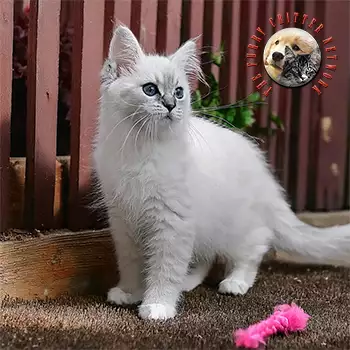

Recognizing that your Burmilla is approaching the end of its life is one of the most emotionally challenging aspects of pet ownership, but awareness of the signs allows you to respond with the compassion and care your companion deserves. The transition from manageable senior health issues to end-stage decline is not always a clear line, and it may unfold gradually over weeks or months rather than arriving as a single, unmistakable moment.
Physical signs that may indicate your Burmilla is entering its final stage include a sustained and significant decline in appetite or a complete refusal of food and water, progressive weight loss that no longer responds to dietary interventions, and increasing difficulty with mobility that confines the cat to a single area. You may notice labored or irregular breathing, a noticeable decrease in body temperature, and a general loss of interest in grooming that leaves the once-luminous coat dull and unkempt.
Behavioral changes often accompany the physical decline. A Burmilla that has always sought out human company may begin to withdraw, seeking isolated spots away from the usual household activity. Conversely, some cats become unusually clingy in their final days, seeking constant physical contact as though drawing comfort from the presence of their person. Changes in vocalization—either increased crying or unusual silence in a previously communicative cat—may also be observed.
It is important to discuss these observations with your veterinarian, who can help you distinguish between symptoms of a treatable condition and signs of irreversible decline. Not every downturn is the final one, and some conditions that mimic end-of-life symptoms—such as acute kidney crises, infections, or dental pain—may be treatable, restoring your cat to a period of comfortable living. An honest veterinary assessment provides the information you need to make decisions grounded in your cat's best interest.