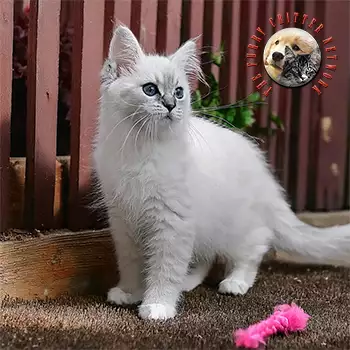

The adult years represent the Burmilla at its physical best—a beautifully proportioned cat with a shimmering coat, clear green eyes, and the calm confidence that comes with maturity. This period generally spans from about one year of age through approximately ten years, and it is the time when consistent, proactive care pays the greatest dividends in long-term health and longevity.
Annual wellness examinations with your veterinarian form the cornerstone of adult health maintenance. These visits allow for early detection of conditions that may not yet be producing visible symptoms, including dental disease, early kidney changes, and weight-related concerns. Your veterinarian will perform a thorough physical examination, update vaccinations as needed according to your cat's risk profile, and may recommend baseline blood work to establish normal values for future comparison.
Maintaining your Burmilla at a healthy weight is one of the single most impactful things you can do for its long-term wellbeing. Obesity in cats is associated with an increased risk of diabetes, joint disease, hepatic lipidosis, and reduced life expectancy. A healthy adult Burmilla typically weighs between eight and twelve pounds, though individual variation exists based on frame size and sex. You should be able to feel the ribs without pressing hard and see a visible waist when viewing the cat from above.
Parasite prevention should continue throughout adulthood even for indoor-only cats. Fleas, intestinal parasites, and heartworm can all find their way into indoor environments through open doors, windows, and on the clothing and shoes of household members. Your veterinarian can recommend an appropriate year-round preventive protocol based on your geographic region and household circumstances.