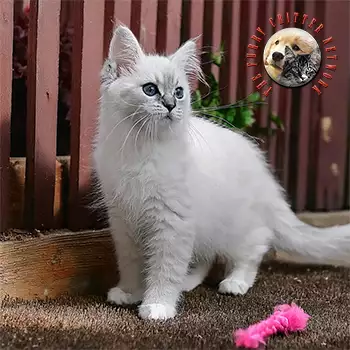

Determining when a Burmilla transitions from adulthood to senior status is not as straightforward as marking a date on the calendar. Most veterinary organizations classify cats as senior beginning around eleven years of age and geriatric at approximately fifteen years, though individual cats age at different rates depending on genetics, diet, lifestyle, and overall health history. A well-cared-for Burmilla with a lifespan of twelve to fifteen years may show very few signs of aging at eleven, while another of the same age may already be experiencing noticeable changes.
The shift into the senior years is typically gradual rather than abrupt. You may notice that your Burmilla sleeps a bit more than it used to, plays with slightly less intensity, or takes longer to settle into a comfortable position after jumping down from a favorite perch. These subtle changes are normal aspects of aging and do not necessarily indicate illness, but they do signal that your cat's care routine should begin adapting to its evolving needs.
Once your Burmilla reaches senior age, your veterinarian will likely recommend increasing the frequency of wellness examinations from annually to every six months. These biannual visits allow for more frequent monitoring of blood values, kidney function, thyroid levels, and blood pressure—all areas where age-related changes tend to emerge in cats. Early detection at this stage can add years of comfortable, quality life.
Understanding that aging is a process rather than an event helps frame the care decisions you will make during this chapter. The goal is not to halt aging but to manage it thoughtfully, ensuring that your Burmilla remains comfortable, engaged, and enjoying a good quality of life for as long as possible.