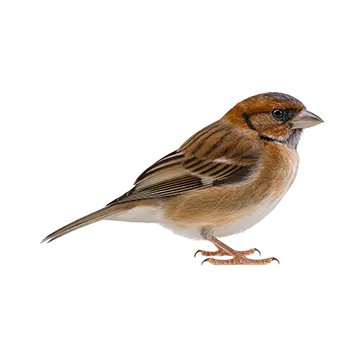

Society Finch chicks hatch after an incubation period of approximately 12 to 14 days, emerging as tiny, virtually helpless creatures weighing roughly one gram. The hatchlings are altricial, meaning they arrive blind, naked except for sparse wisps of natal down along the dorsal tract, and entirely dependent on parental care for warmth, nourishment, and protection. Unlike some larger psittacine species where hand-rearing is common, Society Finch chicks are almost always raised by their parents, and the species' renowned cooperative parenting instincts make them exceptionally reliable in this role.
During the first hours after hatching, the chick's primary biological task is absorbing the remainder of its yolk sac, which provides essential nutrients and energy while the parents begin their feeding rhythm. The hen and cock typically begin offering regurgitated seed paste within the first few hours, responding to the chick's begging calls and gaping behavior. In colony settings, non-parent adults may also assist with brooding and feeding, a behavior that is characteristic of this domesticated species and one of the reasons it earned the common name Society Finch.
The nest environment is critical during these opening hours. If the parents are using a standard wicker or wooden nest box, verify that the nesting material is clean, dry, and adequately cushioned. Coconut fiber, clean dried grass, and shredded paper make suitable linings. Avoid cotton fibers or long threads, which can wrap around the chick's tiny legs or toes and cause constriction injuries. The nest should be positioned in a draft-free area of the cage, away from direct sunlight and any heat sources that could cause overheating.
Resist the urge to handle the chicks or frequently inspect the nest during the first day. Society Finches are generally tolerant of nest checks compared to many other finch species, but excessive disturbance during the first 24 hours can cause nervous parents to abandon the clutch. A brief visual check once or twice during the day is sufficient to confirm the chicks are present and appear pink-skinned and responsive. If you hear steady begging calls coming from the nest, this is a strong indicator that feeding is underway and the parents are performing their duties.