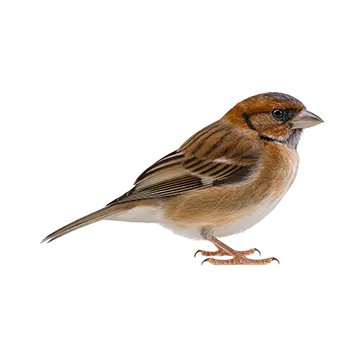

Society Finches typically begin showing signs of aging between four and five years of age, though the onset and pace of age-related changes vary considerably between individuals depending on genetics, lifetime diet, breeding history, and overall care quality. Unlike larger parrot species where the senior phase may span decades, the compressed lifespan of a Society Finch means that the transition from prime adult to geriatric bird can occur over a relatively short period, making it important for keepers to recognize the early indicators and adjust care accordingly.
One of the first visible signs of aging is a subtle change in plumage quality. Feathers may lose some of their crispness and luster, appearing slightly duller or rougher in texture compared to the bird's prime years. The annual molt may take longer to complete, and incoming feathers may show more stress bars or minor structural imperfections than those produced during younger molts. These changes reflect the gradual decline in the bird's ability to direct resources toward feather production while simultaneously maintaining other organ systems.
Behavioral changes often accompany the physical ones. An aging Society Finch may become less active overall, spending more time resting on a preferred perch and less time engaging in the busy foraging, bathing, and socializing that characterized its younger years. Males may sing less frequently or produce shorter, less complex song bouts. These shifts are gradual and represent normal aging rather than acute illness, but they require the keeper to recalibrate their baseline understanding of what is normal for that individual bird so that genuine illness is not dismissed as mere age.
Physical examination may reveal age-related changes in the feet, beak, and nails. The smooth, even scales on the legs and feet of a young adult finch may become rougher, thicker, or develop a slightly crusty texture as the bird ages. Nails may grow faster relative to the rate of natural wear, requiring more frequent monitoring and occasional trimming. The beak may show minor changes in growth rate or alignment. None of these changes are inherently problematic, but they require attention to prevent secondary complications such as catching overgrown nails on cage materials or difficulty eating due to beak misalignment.