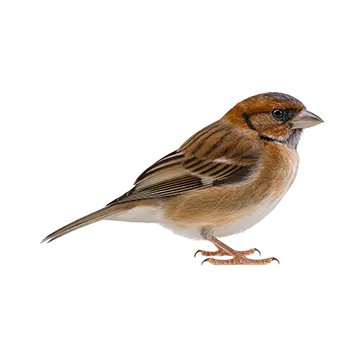
Society Finches are generally hardy, robust birds maintaining good health with proper care, regularly achieving lifespans of 5-7 years in captivity with some individuals living slightly longer under optimal conditions. Their domestication and selection for hardiness over centuries has created resilient birds more adaptable and forgiving than many wild-caught species. However, their small size and delicate physiology make them vulnerable to certain health conditions requiring vigilant observation and prompt intervention when problems arise.
Air sac mites, microscopic parasites infesting the respiratory system, can affect Society Finches causing respiratory symptoms including open-mouth breathing, clicking or wheezing sounds during respiration, tail bobbing with each breath, voice loss or changes, and progressive weakness without treatment, requiring ivermectin or other avermectin-based antiparasitic medications administered by veterinarians. Scaly face and leg mites caused by Knemidokoptes parasites create crusty, scaly, proliferative growths on the beak, cere, legs, feet, and occasionally around eyes, causing discomfort, potential beak deformities, and disfigurement without treatment, requiring topical or systemic ivermectin or similar medications. Enteritis and other bacterial infections of the digestive tract occur in birds kept in unsanitary conditions, causing diarrhea, watery or discolored droppings, fluffed feathers, lethargy, sitting hunched on cage floors, and weight loss, requiring veterinary diagnosis and appropriate antibiotic therapy based on culture results. Egg binding, where a female cannot expel a formed egg, can affect breeding female Society Finches particularly those with calcium deficiency, obesity, oversized eggs, or first-time layers, representing a life-threatening emergency requiring immediate veterinary intervention with supportive care, warmth, calcium administration, and sometimes manual egg extraction. Overgrown nails and beaks develop in captive finches without adequate abrasive surfaces for natural wear, requiring careful trimming by experienced handlers to prevent injury from improper technique on these tiny, delicate birds. Obesity can develop in Society Finches provided with excessive fatty seeds without adequate flight space for exercise, predisposing to fatty liver disease and other complications. Injuries from flying into cage walls, attacks from aggressive cage mates though rare in this species, or predator attempts including household cats require immediate veterinary attention and protected recovery environment away from stressors.
Preventive care forms the essential foundation for maintaining Society Finch health throughout their lives. Regular observation and daily monitoring for subtle illness signs including fluffed feathers, reduced activity, changes in droppings, decreased appetite, respiratory symptoms, or altered behavior allows early intervention before conditions become critical emergencies. Proper diet and nutrition with quality finch seed mixes, daily fresh greens, calcium supplementation through cuttlebone or mineral blocks particularly for breeding females, occasional protein sources especially during breeding season, and fresh water prevents nutritional deficiencies supporting immune function and overall health. Cage cleanliness with daily removal of waste and spoiled food, weekly thorough cleaning and disinfection of entire cage including all surfaces and accessories, and appropriate substrate management prevents bacterial, parasitic, and fungal infections that flourish in unsanitary conditions. Environmental management including protection from drafts and temperature extremes, appropriate temperature maintenance between 65-80°F, adequate ventilation, and moderate humidity supports respiratory health and prevents stress-related illness. Quarantine protocols for new birds with minimum 30-day isolation before introducing to established collections prevents disease transmission to healthy birds and allows health observation and veterinary clearance. Annual wellness examinations with avian veterinarians experienced with finches, while uncommon for inexpensive birds, can detect subclinical problems early and provide personalized care recommendations.
The critical importance of early illness recognition cannot be overstated for small finches. The common saying in aviculture that 'a sick bird is a dead bird by tomorrow' reflects the rapid deterioration small birds experience when ill. Society Finches have minimal physiological reserves, and delays in treatment often result in death regardless of veterinary intervention. Any bird showing fluffed feathers, lethargy, sitting on the cage floor, labored breathing, or other illness signs requires immediate veterinary attention without delay.
With consistent appropriate care including proper housing emphasizing flight space, balanced diet, clean environment, protection from temperature extremes and predators, and prompt attention to health concerns, Society Finches typically enjoy good health throughout their 5-7 year lifespan. Their hardiness and adaptability make them forgiving of minor care lapses, though this does not excuse poor husbandry. Their resilience contributes to their reputation as excellent beginner finches, tolerating learning curves that might prove fatal to more delicate species.
Society Finches are generally hardy, robust birds maintaining good health with proper care, regularly achieving lifespans of 5-7 years in captivity with some individuals living slightly longer under optimal conditions. Their domestication and selection for hardiness over centuries has created resilient birds more adaptable and forgiving than many wild-caught species. However, their small size and delicate physiology make them vulnerable to certain health conditions requiring vigilant observation and prompt intervention when problems arise.
Air sac mites, microscopic parasites infesting the respiratory system, can affect Society Finches causing respiratory symptoms including open-mouth breathing, clicking or wheezing sounds during respiration, tail bobbing with each breath, voice loss or changes, and progressive weakness without treatment, requiring ivermectin or other avermectin-based antiparasitic medications administered by veterinarians. Scaly face and leg mites caused by Knemidokoptes parasites create crusty, scaly, proliferative growths on the beak, cere, legs, feet, and occasionally around eyes, causing discomfort, potential beak deformities, and disfigurement without treatment, requiring topical or systemic ivermectin or similar medications. Enteritis and other bacterial infections of the digestive tract occur in birds kept in unsanitary conditions, causing diarrhea, watery or discolored droppings, fluffed feathers, lethargy, sitting hunched on cage floors, and weight loss, requiring veterinary diagnosis and appropriate antibiotic therapy based on culture results. Egg binding, where a female cannot expel a formed egg, can affect breeding female Society Finches particularly those with calcium deficiency, obesity, oversized eggs, or first-time layers, representing a life-threatening emergency requiring immediate veterinary intervention with supportive care, warmth, calcium administration, and sometimes manual egg extraction. Overgrown nails and beaks develop in captive finches without adequate abrasive surfaces for natural wear, requiring careful trimming by experienced handlers to prevent injury from improper technique on these tiny, delicate birds. Obesity can develop in Society Finches provided with excessive fatty seeds without adequate flight space for exercise, predisposing to fatty liver disease and other complications. Injuries from flying into cage walls, attacks from aggressive cage mates though rare in this species, or predator attempts including household cats require immediate veterinary attention and protected recovery environment away from stressors.
Preventive care forms the essential foundation for maintaining Society Finch health throughout their lives. Regular observation and daily monitoring for subtle illness signs including fluffed feathers, reduced activity, changes in droppings, decreased appetite, respiratory symptoms, or altered behavior allows early intervention before conditions become critical emergencies. Proper diet and nutrition with quality finch seed mixes, daily fresh greens, calcium supplementation through cuttlebone or mineral blocks particularly for breeding females, occasional protein sources especially during breeding season, and fresh water prevents nutritional deficiencies supporting immune function and overall health. Cage cleanliness with daily removal of waste and spoiled food, weekly thorough cleaning and disinfection of entire cage including all surfaces and accessories, and appropriate substrate management prevents bacterial, parasitic, and fungal infections that flourish in unsanitary conditions. Environmental management including protection from drafts and temperature extremes, appropriate temperature maintenance between 65-80°F, adequate ventilation, and moderate humidity supports respiratory health and prevents stress-related illness. Quarantine protocols for new birds with minimum 30-day isolation before introducing to established collections prevents disease transmission to healthy birds and allows health observation and veterinary clearance. Annual wellness examinations with avian veterinarians experienced with finches, while uncommon for inexpensive birds, can detect subclinical problems early and provide personalized care recommendations.
The critical importance of early illness recognition cannot be overstated for small finches. The common saying in aviculture that 'a sick bird is a dead bird by tomorrow' reflects the rapid deterioration small birds experience when ill. Society Finches have minimal physiological reserves, and delays in treatment often result in death regardless of veterinary intervention. Any bird showing fluffed feathers, lethargy, sitting on the cage floor, labored breathing, or other illness signs requires immediate veterinary attention without delay.
With consistent appropriate care including proper housing emphasizing flight space, balanced diet, clean environment, protection from temperature extremes and predators, and prompt attention to health concerns, Society Finches typically enjoy good health throughout their 5-7 year lifespan. Their hardiness and adaptability make them forgiving of minor care lapses, though this does not excuse poor husbandry. Their resilience contributes to their reputation as excellent beginner finches, tolerating learning curves that might prove fatal to more delicate species.
Common Health Issues
- Air sac mites, microscopic parasites infesting the respiratory system - Can affect Society Finches causing respiratory symptoms including open-mouth breathing, clicking or wheezing sounds during respiration, tail bobbing with each breath, voice loss or changes, and progressive weakness without treatment, requiring ivermectin or other avermectin-based antiparasitic medications administered by veterinarians.
- Scaly face and leg mites caused by Knemidokoptes parasites create crusty - Scaly, proliferative growths on the beak, cere, legs, feet, and occasionally around eyes, causing discomfort, potential beak deformities, and disfigurement without treatment, requiring topical or systemic ivermectin or similar medications.
- Egg binding, where a female cannot expel a formed egg - Can affect breeding female Society Finches particularly those with calcium deficiency, obesity, oversized eggs, or first-time layers, representing a life-threatening emergency requiring immediate veterinary intervention with supportive care, warmth, calcium administration, and sometimes manual egg extraction.
- Obesity can develop in Society Finches provided with excessive fatty seeds without adequate flight space for exercise - Predisposing to fatty liver disease and other complications.
- Regular observation and daily monitoring for subtle illness signs including fluffed feathers - Reduced activity, changes in droppings, decreased appetite, respiratory symptoms, or altered behavior allows early intervention before conditions become critical emergencies.
- Environmental management including protection from drafts and temperature extremes - Appropriate temperature maintenance between 65-80°F, adequate ventilation, and moderate humidity supports respiratory health and prevents stress-related illness.
Preventive Care & Health Monitoring
- Egg binding, where a female cannot expel a formed egg - Can affect breeding female Society Finches particularly those with calcium deficiency, obesity, oversized eggs, or first-time layers, representing a life-threatening emergency requiring immediate veterinary intervention with supportive care, warmth, calcium administration, and sometimes manual egg extraction.
- Proper diet and nutrition with quality finch seed mixes - Daily fresh greens, calcium supplementation through cuttlebone or mineral blocks particularly for breeding females, occasional protein sources especially during breeding season, and fresh water prevents nutritional deficiencies supporting immune function and overall health.
- Cage cleanliness with daily removal of waste and spoiled food - Weekly thorough cleaning and disinfection of entire cage including all surfaces and accessories, and appropriate substrate management prevents bacterial, parasitic, and fungal infections that flourish in unsanitary conditions.
- Annual wellness examinations with avian veterinarians experienced with finches - While uncommon for inexpensive birds, can detect subclinical problems early and provide personalized care recommendations.