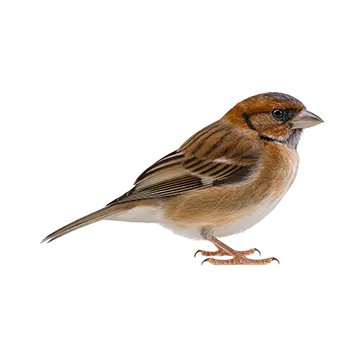

The daily care routine for an adult Society Finch is straightforward compared to many other companion bird species, but consistency and attention to detail are what separate adequate care from the kind of husbandry that allows these charming birds to truly thrive. A well-established daily routine keeps the birds healthy, reduces stress from unpredictability, and gives the keeper regular opportunities to observe each bird's condition and behavior closely enough to catch subtle changes that might signal a developing problem.
Begin each morning by replacing the food and water. Even if the seed dish appears partially full, the surface layer is often composed of empty husks that the birds have cracked and discarded, leaving little edible seed beneath. Dump the old seed, wipe the dish, and refill with a fresh measure of high-quality finch seed mix. Water should be changed completely, with the dish or bottle rinsed to remove any biofilm or accumulated debris. If your Society Finches have access to a bathing dish, refresh it with clean, room-temperature water each morning as well. Most Society Finches bathe enthusiastically and frequently, and a clean bath promotes feather health and provides behavioral enrichment.
Cage cleaning should follow a tiered schedule. The cage floor, whether covered with paper, sand, or a grate, should be cleaned or changed daily to prevent the buildup of droppings, discarded seed, and moisture that create a breeding ground for bacteria and mold. Perches should be wiped down several times per week and scraped clean of any accumulated droppings, which can harbor bacteria and cause foot infections if left in contact with the bird's skin for extended periods. A thorough deep-cleaning of the entire cage, including bars, trays, and all accessories, should occur at least once per week using an avian-safe disinfectant, rinsed thoroughly and dried before the birds are returned.
Observation is the most important component of daily care, and it costs nothing beyond a few minutes of attentive watching. Spend time each day simply observing your Society Finches as they go about their normal activities. Note which birds are eating, which are singing, how they interact with one another, and whether any individual appears less active, fluffed up, or isolated from the group. Because Society Finches are flock animals that rarely separate themselves voluntarily, a bird that sits alone while the rest of the group is active is almost always communicating that something is wrong.