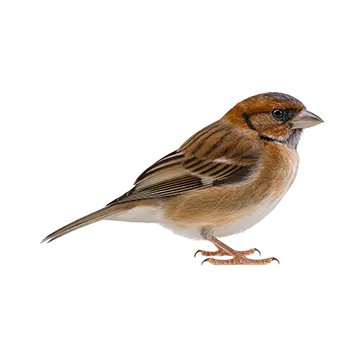

Successful Society Finch breeding begins well before the first egg is laid, with thoughtful pair selection and a conditioning period that ensures both birds are in optimal health and reproductive readiness. While Society Finches are famously easy to breed compared to many other avian species, responsible breeding practice demands the same care and preparation that one would give to any animal breeding program. The goal is not simply to produce chicks but to produce healthy chicks from healthy, well-matched parents.
Selecting a breeding pair starts with confirming that you have a true male-female pairing, which is less straightforward in Society Finches than in sexually dimorphic species. Males and females are virtually identical in plumage and body structure. The most reliable sexing method is behavioral observation: males produce a characteristic warbling song, often accompanied by a small hopping or bouncing dance, while females produce only short call notes. DNA sexing through a feather or blood sample submitted to an avian genetics laboratory provides definitive confirmation for birds whose behavioral cues are ambiguous. Breeding two birds of the same sex wastes time and resources, and while same-sex pairs will readily build nests and even incubate eggs, no fertile eggs will result.
Both birds should be in excellent physical condition before breeding is permitted. A minimum age of nine to twelve months ensures the birds are fully mature and have completed their juvenile molt. Hens younger than this may produce eggs but face elevated risks of egg binding and nutritional depletion. Assess each bird's body condition by gently palpating the keel and pectoral area. The muscles flanking the keel should be full and rounded, not sunken or concave. Feather quality should be excellent, with no ongoing molt. Any bird showing signs of illness, parasites, or poor condition should be treated and fully recovered before being placed in a breeding situation.
Pre-breeding conditioning involves gradually increasing the nutritional quality and variety of the diet over the two to three weeks preceding the introduction of a nest box. Increase protein-rich foods such as egg food and sprouted seeds, ensure the cuttlebone is fresh and accessible for calcium loading, and add a vitamin supplement to the water. Extend the light period to approximately 13 to 14 hours per day to simulate the lengthening days that naturally trigger reproductive hormones. This dietary and photoperiod conditioning brings both birds into breeding condition simultaneously and improves fertility rates, egg quality, and the parents' ability to sustain the demanding chick-rearing period ahead.