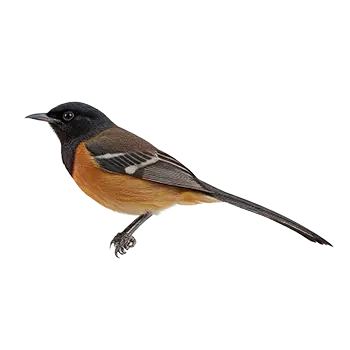

The transition from manageable senior health challenges to terminal decline is not always marked by a single dramatic event. In many cases, the Shama Thrush's final chapter begins with a gradual acceleration of the changes observed during the senior years, a deepening of the trends that attentive keepers have been tracking for months or years. Recognizing that the bird has entered the terminal phase allows the keeper to shift the focus of care from extending life to ensuring comfort and dignity during the time that remains.
Weight loss that does not respond to dietary intervention is one of the most reliable indicators of terminal decline. A senior Shama that has been losing weight gradually may begin to lose more rapidly, with the keel bone becoming sharply prominent and the pectoral muscles wasting visibly. The bird may eat with diminished enthusiasm or refuse certain foods entirely, often rejecting the harder-bodied insects it accepted previously while still showing some interest in softer items or moistened food. When weight loss continues despite the keeper's best efforts to maintain caloric intake, the underlying cause is typically organ failure, advanced neoplasia, or systemic infection that has exceeded the body's capacity to compensate.
Behavioral withdrawal becomes more pronounced as the end approaches. The bird spends increasingly long periods sitting still with fluffed feathers, often on the lowest available perch or on the cage floor. It may tuck its head into its back feathers during the day, a posture normally reserved for sleep. Responses to the keeper's voice and presence, which may have been muted during the senior years, diminish further or disappear entirely. The bird that once greeted its keeper with song or eager movement may show no reaction at all to familiar stimuli.
Respiratory effort often increases during terminal decline, particularly if the underlying condition involves the lungs, air sacs, or cardiovascular system. The bird may breathe with visible tail bobbing, open-mouth breathing, or audible respiratory sounds. These signs indicate that the bird's oxygenation is compromised and that the remaining lung capacity or cardiac output is insufficient to meet even resting metabolic demands. Respiratory distress is both a clinical marker of advancing disease and a source of significant discomfort for the bird.
The absence of song, in a species whose entire identity is intertwined with its vocal abilities, carries a particular emotional weight for the keeper. A Shama Thrush that has fallen completely silent and shows no vocal activity of any kind, not even the soft contact calls that accompany daily routine, has likely lost the physiological capacity or the drive to vocalize. While silence alone does not define the end of life, its combination with the other signs described here strongly suggests that the bird is in its final days or weeks.