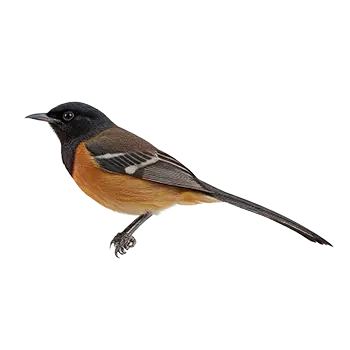

The transition from mature adult to senior is gradual in the Shama Thrush, and there is no single event that marks the boundary between prime adulthood and old age. In captivity, where the species can live 10 to 15 years, most individuals begin showing the first signs of aging somewhere between 7 and 9 years of age. The onset and pace of aging vary considerably between individuals, influenced by genetics, lifetime nutrition, breeding history, and the cumulative effects of past illnesses or injuries. Recognizing the early signs allows the keeper to adjust care proactively rather than reactively.
One of the earliest indicators of aging in a Shama is a gradual decline in song output. The bird may sing fewer phrases per bout, sing less frequently throughout the day, or produce a song that lacks the volume and richness of its prime years. This decline is typically subtle at first and may be mistaken for seasonal variation or temporary malaise. Over time, however, the trend becomes apparent, particularly if the keeper has been attentive to the bird's vocal patterns over the years. A reduced song output in the absence of illness or environmental disruption is a reliable indicator that the bird is entering its senior phase.
Physical changes accompany the vocal decline. The plumage may lose some of its luster, appearing slightly duller or less tightly structured than during the prime years. Feathers may take longer to grow in during the annual molt, and the molt itself may extend over a longer period. The bird's muscle tone, particularly in the pectoral muscles, may begin to diminish, giving the keel bone a more prominent feel during handling. Activity levels gradually decrease, with the bird spending more time resting on a preferred perch and less time flying, foraging, or exploring.
Behavioral changes are often the most noticeable indicators to a keeper who knows the bird well. A senior Shama may become less reactive to stimuli that previously provoked strong responses, such as the sight of another bird, the sound of a rival's song, or the introduction of a novel object. The bird may sleep longer, going to roost earlier in the evening and rising later in the morning. Social interactions with the keeper may become calmer and less energetic, though most well-bonded Shamas retain their affection for their primary caregiver well into old age.