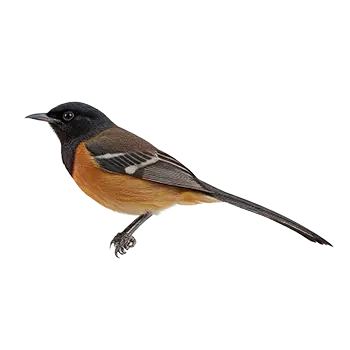

The adult Shama Thrush is an obligate insectivore with a metabolism geared for high-protein, low-carbohydrate food sources. Maintaining an appropriate diet during the adult years is the single most important factor in preserving the bird's health, plumage quality, and vocal performance. A poorly fed Shama will show the effects in dull feathering, reduced singing, weakened immunity, and a shortened lifespan. Conversely, a well-nourished adult Shama in its prime is a striking bird that sings with vigor and vitality.
The foundation of the adult diet should be a high-quality commercial insectivore or softbill pellet, which provides a nutritionally balanced base that covers the bird's macro- and micronutrient requirements. This dry food should be available at all times in a clean dish. Supplement the pellet base daily with a generous offering of live insects. Crickets, mealworms, waxworms, soldier fly larvae, and fruit flies all provide excellent protein and fat content, and the variety helps ensure a broad spectrum of amino acids and trace minerals. Gut-loading the insects with a nutritious substrate 24 hours before offering them to the bird significantly increases their nutritional value.
Fresh fruits should be offered in small quantities as a supplementary food source. Diced papaya, mango, blueberries, and banana are well accepted by most Shamas and provide vitamins, antioxidants, and hydration. Limit fruit to no more than ten percent of the total daily intake by volume, as excessive fruit consumption can lead to loose droppings and may displace more nutritionally critical insect protein from the diet. Remove uneaten fruit within a few hours to prevent spoilage and the attraction of fruit flies or mold.
Fresh water must be available at all times in a clean container. Shama Thrushes drink frequently throughout the day and also enjoy bathing, so provide separate containers for drinking and bathing water. Change the drinking water at least twice daily, and clean the container with hot water and a brush to prevent biofilm buildup. During warm weather or in heated indoor environments, monitor water consumption closely, as dehydration can develop quickly in a small bird with a high metabolic rate.
Calcium and vitamin supplementation warrants careful attention. A cuttlebone or mineral block should be available in the enclosure at all times, allowing the bird to self-regulate its calcium intake. During the annual molt, when feather production places heavy demands on the bird's mineral reserves, consider adding a powdered avian vitamin and mineral supplement to the softbill food two to three times per week. Avoid over-supplementation, particularly with fat-soluble vitamins A and D, as these can accumulate to toxic levels. If you are uncertain about supplementation protocols, consult your avian veterinarian for guidance tailored to your bird's specific diet and health status.