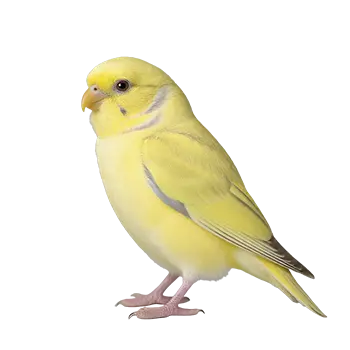

Fledging & First Flights

The transition from nest-bound hatchling to fledgling is one of the most dramatic shifts in a Roller Canary's early life. Fledging typically occurs between 18 and 21 days of age, though the exact timing varies depending on clutch size, nutritional adequacy, and individual development. The chick signals its readiness by perching on the nest rim, vigorously flapping its wings, and making short, tentative hops to nearby surfaces. These early attempts are clumsy and often end with the chick on the cage floor, which is entirely normal and should not prompt alarm.

Prepare the breeding cage or flight cage for fledging before the chick is ready. Remove any deep water containers and replace them with shallow dishes to eliminate the risk of a newly fledged chick falling into water and drowning. Position lower perches so that a chick on the cage floor can easily hop up to a perch without having to make a difficult upward flight. Ensure the cage floor is clean and covered with a substrate that provides secure footing, such as plain paper or a fine-textured cage liner, rather than loose material that a clumsy fledgling could become entangled in.

During the first few days after fledging, the young Roller Canary will spend much of its time on lower perches or on the floor, gradually building the flight muscle strength and coordination needed to navigate the cage confidently. The parents continue to feed the fledgling actively during this period, and you will observe the chick begging with fluttering wings and open beak whenever an adult bird approaches. This dependency is normal and necessary; the fledgling is burning significant energy learning to fly and cannot yet meet its own nutritional needs.

Avoid handling fledglings excessively during their first days out of the nest, as stress can suppress appetite and slow the development of flight skills. Observe from a distance, ensuring that the fledgling is being fed, gaining confidence in its movements, and producing normal droppings. If a chick repeatedly ends up on the cage floor and seems unable to reach a perch after two or three days, it may have a developmental issue or weakness that warrants closer examination.

Weaning & Dietary Transition

Weaning is the gradual process by which a juvenile Roller Canary transitions from dependence on parental feeding to independent consumption of solid food. This process typically begins around three weeks of age, when the fledgling starts to peck curiously at seed, egg food, and greens in the cage, and is usually complete by five to six weeks of age. Weaning should never be forced; premature removal of parental feeding access can lead to weight loss, nutritional deficiency, and developmental setbacks.

Provide a diverse array of foods at cage level where the fledgling can easily access them. A shallow dish of finely crushed or hulled seed, a separate dish of fresh egg food, and small pieces of leafy greens such as dandelion, romaine, or chickweed give the young bird opportunities to experiment with different textures and flavors. Sprouted seeds are particularly valuable during weaning because they are softer than dry seed, easier for an inexperienced beak to handle, and nutritionally superior, with elevated levels of vitamins, enzymes, and bioavailable nutrients.

Observe the fledgling's crop after it has been exploring food on its own. In the early days of weaning, the crop will still be filled primarily by parental feedings, with only trace amounts of self-consumed food. Over the following weeks, the proportion shifts as the young bird becomes more skilled at husking and swallowing seed. Weigh the juvenile daily during this transition to ensure that it is maintaining or gaining weight. A dip in weight during weaning is a signal that the bird is not yet consuming enough on its own and still needs parental support or, in the case of hand-raised birds, supplemental formula feedings.

For hand-raised Roller Canaries, the weaning process requires careful attention and patience. Continue offering formula feedings while simultaneously providing solid foods in the brooder or juvenile cage. Gradually reduce the number and volume of formula feedings as the chick demonstrates consistent self-feeding. Many breeders find that the morning formula feeding is the last one the chick relinquishes, as hunger upon waking drives a strong feeding response. Do not eliminate formula entirely until you are confident, through consistent daily weights and direct observation of self-feeding, that the juvenile is meeting its own caloric needs.

Water consumption becomes critical once a canary begins eating solid food. Provide fresh, clean water at all times in a dispenser that the juvenile can access without risk of submersion. Fledglings sometimes need a day or two to learn how to drink from a standard water tube or dish, so monitor for signs of dehydration, including sunken eyes, dry skin, and concentrated droppings, during the early days of the weaning transition.

Song Development & Early Training

The juvenile stage is the single most critical period in a Roller Canary's song development, and it is the characteristic that distinguishes the Roller from all other canary breeds. The Roller Canary, also known as the Harz Mountain Canary, was selectively bred over centuries for its distinctive rolling song, a repertoire of soft, continuous, closed-beak passages that are delivered with remarkable depth and complexity. The foundation of this song is laid during the juvenile months, when the young male absorbs and begins to practice the vocal patterns that will define his performance for life.

Song learning in canaries follows a well-documented biological process. Young males enter a sensory acquisition phase during which they listen to and memorize the songs of adult males around them. In Roller Canaries, this phase begins as early as four to six weeks of age and extends through the first several months of life. During this window, the juvenile's brain is uniquely plastic, forming the neural templates that will later guide his own song production. The quality of the auditory input the young bird receives during this period directly determines the quality and complexity of his eventual song.

Traditional Roller Canary breeders employ a practice known as schooling, in which juvenile males are housed within earshot of one or more accomplished adult song tutors. The tutor bird should demonstrate the classic Roller tours, the named passage types such as hollow roll, bass roll, glucke, hollow bell, water roll, and flute, with correct form and minimal faults. Poorly singing tutors will pass their flaws to the students, so selecting the right instructor is as important as any other aspect of rearing. Some breeders use high-quality recordings of champion Roller song as a supplement or alternative to live tutors, played at moderate volume during the day.

As the juvenile male begins producing his own sounds, typically around two to three months of age, his early attempts will sound rough, fragmented, and disorganized. This stage is known as subsong and is analogous to babbling in human infants. The young bird is experimenting with his syrinx, the avian vocal organ, learning to control airflow, tension, and resonance. Over the following weeks, subsong gradually crystallizes into plastic song, a more structured but still variable version of the adult repertoire. Caregivers should not be discouraged by the apparent lack of polish during subsong; it is an essential and unavoidable step in the learning process.

Female Roller Canaries do not typically develop the elaborate song of males, though they may produce short, simple call notes and occasional brief melodic phrases. Sex determination in juvenile canaries can be challenging before song development provides a clear indicator, but males usually begin to show singing behavior earlier and with greater persistence than females. Breeders who wish to identify males early sometimes separate juveniles by suspected sex once the first signs of subsong appear, housing the young males together near the tutor bird to maximize their learning exposure during this sensitive period.

The First Molt

The juvenile molt is a significant physiological event that typically occurs between six and eight weeks of age, though the precise timing is influenced by the bird's hatch date, nutritional status, and the ambient light cycle. During this molt, the juvenile replaces its first set of body feathers with a fresh coat of adult plumage. The flight and tail feathers grown in the nest are generally retained through this first molt and will not be replaced until the following year's annual molt. Understanding the demands that molting places on a young Roller Canary's body is essential for supporting the bird through this taxing process.

Molting is metabolically expensive. Growing new feathers requires substantial amounts of protein, amino acids, fats, and minerals, all of which must come from the bird's diet. During the juvenile molt, increase the availability of protein-rich foods such as egg food, spirulina, and high-quality seed mixes that include canola, niger, and hemp. Many breeders also offer a cuttlebone or mineral block to ensure adequate calcium and trace mineral intake, which supports the development of strong, well-structured feathers.

The molting bird may appear somewhat scruffy and disheveled as old feathers are shed and new pin feathers grow in. This is normal, but it can make it difficult to distinguish ordinary molt from feather problems caused by illness, mites, or nutritional deficiency. A healthy molt progresses symmetrically, with feather loss and regrowth occurring in roughly matched patterns on both sides of the body. Patchy, asymmetric feather loss, bare spots that do not quickly fill in with new growth, or feathers that emerge deformed or with stress bars, visible lines across the feather vane, warrant investigation into potential underlying causes.

During the molt, juvenile Roller Canaries frequently become quieter and may temporarily cease or reduce their song practice. This is a normal physiological response; the bird is diverting energy toward feather production and may simply have less metabolic budget available for vocalization. Singing will resume and often intensify after the molt is complete, as the young male enters the next phase of song crystallization with a fresh set of feathers and renewed energy.

Bathing opportunities are especially important during the molt. Provide a shallow bath dish several times a week, or mist the bird lightly with lukewarm water if it does not bathe voluntarily. Moisture softens the keratin sheaths surrounding emerging pin feathers, making it easier for the new feathers to unfurl properly. A bird that does not bathe during its molt may develop feathers that are poorly preened and structurally compromised.

Cage Setup & Environmental Enrichment

Once a juvenile Roller Canary has fledged, been weaned, and is ready to leave the breeding cage, it needs an appropriately sized and furnished enclosure that supports its physical development, encourages natural behaviors, and provides a calm environment conducive to song learning. The cage transition is a significant change for the young bird, and thoughtful setup eases the adjustment.

The juvenile cage should prioritize horizontal space over vertical height, as canaries are horizontal fliers that move in level or slightly arcing flight paths rather than climbing vertically like parrots. A cage measuring at least 24 inches in length provides enough room for short flights between perches, which builds flight muscle strength and cardiovascular fitness. Width and height of at least 12 to 16 inches give the bird comfortable room to stretch, flap, and move without collision. Bar spacing should not exceed half an inch to prevent the bird from wedging its head or body between bars.

Perches should be varied in diameter and material to promote healthy foot development. Natural wood branches with diameters ranging from approximately one-quarter inch to five-eighths inch encourage the feet to grip at different widths, reducing the risk of pressure sores and bumblefoot that can develop when a bird always perches on a uniform surface. Place perches at different heights within the cage, but avoid positioning them directly above food or water dishes where droppings would contaminate the bird's consumables.

Enrichment for a juvenile Roller Canary does not require the elaborate toy arrays that parrots enjoy. Canaries are primarily stimulated by flight, bathing, foraging, and auditory input. A small swing, a sprig of millet or seeding grass clipped to the cage bars, and a regular bath dish provide ample stimulation. Foraging can be encouraged by scattering a small amount of seed on the cage floor or placing greens in a clip that requires the bird to pull and tear at the leaves. These activities keep the juvenile physically active and mentally engaged without overstimulating a bird that needs quiet time for song absorption.

Lighting and photoperiod matter during the juvenile stage, particularly for song development and molt timing. Natural daylight cycles are ideal, but if the bird is housed in a room without adequate natural light, provide full-spectrum lighting on a timer that mimics a natural day-night cycle appropriate to the season. Avoid exposing the juvenile to artificially extended daylight hours, which can disrupt the molt cycle and interfere with the hormonal rhythms that underpin song development.

Health Monitoring During the Juvenile Stage

The juvenile period, spanning roughly from fledging at three weeks through the completion of the first molt at around three to four months, presents its own set of health considerations distinct from those of the newborn stage. The young Roller Canary is growing rapidly, undergoing significant physiological changes, and encountering new environmental challenges as it transitions from the nest or brooder to a juvenile cage. Vigilant health monitoring during this phase catches problems early, when intervention is most likely to succeed.

Continue daily weighing throughout the juvenile stage, using the same gram-accurate scale and measuring at the same time each day. Weight gain should be steady during the first several weeks after fledging, eventually plateauing as the bird reaches its adult body mass of roughly 20 to 25 grams. A juvenile that loses weight during the weaning transition may not be eating enough solid food on its own. A bird that loses weight during the molt may have an illness compounding the metabolic demands of feather replacement. Any unexplained weight loss lasting more than two days warrants closer investigation.

Respiratory health requires ongoing attention, particularly for canaries, which are susceptible to air sac mites throughout their lives. Juvenile canaries may have been exposed to Sternostoma tracheacolum from their parents during the rearing period, and symptoms can emerge as the bird matures and the mite population grows. Listen for clicking or wheezing sounds, especially at night when the bird is resting, and watch for tail bobbing, labored breathing, or frequent open-mouth breathing. Preventive treatment with ivermectin, administered under veterinary guidance, is a common protocol in breeding operations where air sac mites are known to be present.

Coccidiosis is another health concern that peaks during the juvenile stage. The protozoan parasites that cause coccidiosis thrive in warm, moist environments and can proliferate rapidly in cages where droppings accumulate. Symptoms include lethargy, fluffed feathers, watery or bloody droppings, and weight loss. Maintaining rigorous cage hygiene, changing substrate daily, and ensuring food and water are not contaminated by droppings are the primary preventive measures. If coccidiosis is diagnosed through fecal analysis, treatment with appropriate anticoccidial medication prescribed by an avian veterinarian is effective when caught early.

Feather condition during and after the juvenile molt serves as a visual health report card. Feathers that grow in with stress bars, fret marks, or abnormal coloration may indicate nutritional deficiency, illness during the growth period, or chronic low-level stress. A complete, symmetrical, glossy set of new feathers suggests the bird navigated its first molt in good health. If feather quality is poor, review the bird's diet, environment, and stress exposure, and consider a veterinary evaluation to rule out subclinical illness.

Behavioral Changes to Watch

The juvenile Roller Canary undergoes a series of behavioral shifts as it matures, many of which are normal developmental milestones but some of which can signal emerging problems. Understanding the difference between typical adolescent canary behavior and genuine cause for concern helps caregivers respond appropriately without unnecessary intervention or, conversely, without overlooking early warning signs.

Increased activity and exploratory behavior are hallmarks of the juvenile stage. A healthy fledgling will spend much of the day hopping between perches, testing its wings with short flights across the cage, investigating food items, and bathing with enthusiasm. This high energy level is normal and desirable; it builds the physical fitness the bird needs and indicates robust health. A juvenile that is lethargic, sits fluffed on a perch for extended periods, or shows no interest in exploring its environment may be unwell, stressed, or inadequately nourished.

Aggression between juvenile canaries housed together is uncommon during the earliest weeks after fledging but can emerge as the birds mature, particularly among males whose territorial instincts begin to develop alongside their song. Watch for persistent chasing, beak sparring, or one bird preventing another from accessing food or water. If aggression becomes significant, separate the birds into individual cages to prevent injury and chronic stress. Males that are being trained for song competition are often housed individually once they reach two to three months of age, both to prevent aggression and to allow each bird's song development to be monitored independently.

Night frights, episodes in which a bird thrashes wildly in its cage during the dark hours, can occur in juvenile canaries and are typically triggered by sudden noises, shadows, or vibrations. While a single night fright is usually harmless, repeated episodes can cause feather damage, injuries from collision with cage bars, and chronic stress. A small, dim night light near the cage often prevents night frights by allowing the bird to see its surroundings and orient itself if startled. Ensure the cage is positioned away from windows where passing headlights or outdoor animals could trigger alarm.

Changes in vocalization patterns are expected and should be interpreted in context. A juvenile male that was practicing subsong and then falls silent for a period may simply be going through a quiet phase during molt or adjusting to a new environment. Prolonged silence in a male that previously showed strong song inclination, however, could indicate illness, excessive stress, or isolation from auditory stimulation. Conversely, a sudden increase in sharp, repetitive call notes rather than melodic song practice may signal boredom, loneliness, or anxiety. Evaluate the bird's overall condition, environment, and social situation to determine whether a behavioral change is developmental or problematic.

Always consult a qualified professional before making any health-related decisions. This content is provided for informational reference only and should not replace professional guidance specific to your animal.