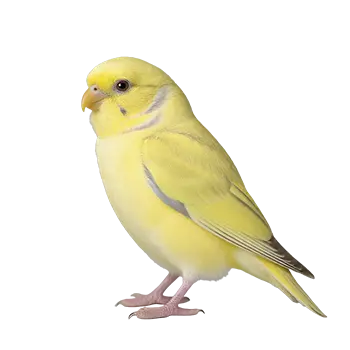

The First 24 Hours

Roller Canary chicks hatch after an incubation period of approximately 13 to 14 days, emerging as tiny, nearly helpless creatures that weigh barely two grams. The hatchling arrives with its eyes sealed shut, its body covered in sparse wisps of natal down, and its limbs too weak to do more than shift slightly in the nest. Despite this apparent fragility, the chick is equipped with a powerful feeding response that drives it to gape vigorously whenever it senses the vibration of a parent landing on the nest rim. This instinct is the newborn's lifeline, and its strength in the first hours is one of the earliest indicators of the chick's viability.

In a parent-raised clutch, the hen will typically begin feeding the chick within a few hours of hatching. She regurgitates a partially digested mixture of seed, egg food, and greens directly into the chick's open beak. This first meal is critically important because it delivers not only calories but also beneficial gut bacteria that begin colonizing the chick's digestive tract. If you are overseeing a breeding pair, resist the urge to intervene during these hours unless there is a clear sign that the hen is ignoring the chick entirely. Canary hens are generally reliable feeders, and unnecessary disturbance at this stage can cause her to abandon the nest.

For breeders who must hand-feed from the start, whether due to parental abandonment, illness in the hen, or a deliberate hand-rearing program, the first feeding should not be attempted until the chick's yolk sac has been fully absorbed. This usually occurs within six to ten hours of hatching. The initial hand-feeding should consist of a thin, well-mixed commercial hand-rearing formula formulated for small passerines, offered at a temperature between 104 and 108 degrees Fahrenheit. Use a fine-tipped syringe or a small, blunt feeding tool designed for passerine chicks, and deliver only a tiny amount at each feeding to avoid overwhelming the crop.

The nest or brooder environment must be warm and stable from the moment the chick hatches. If the chick is being parent-raised, the hen provides body heat, but you should ensure the room temperature around the breeding cage does not fall below 68 degrees Fahrenheit. For hand-raised chicks moved to a brooder, maintain the internal temperature between 95 and 99 degrees Fahrenheit. Even small drops in temperature can cause a newborn canary chick to become hypothermic rapidly, leading to digestive shutdown and potentially death within hours.

Feeding & Nutrition

Nutrition during the first two weeks of a Roller Canary chick's life sets the trajectory for its entire development, influencing everything from skeletal growth and feather quality to the eventual strength and richness of its song. Canary chicks grow at an astonishing rate, often doubling or tripling their hatch weight within the first week, and this rapid growth demands a reliable supply of nutrient-dense food delivered at frequent intervals throughout the day.

Parent-raised chicks depend on the hen and, in many cases, the cock bird to deliver food throughout the daylight hours. To support this, the breeding pair must have constant access to high-quality egg food, soaked or sprouted seed, finely chopped dark leafy greens, and their standard seed mix. Egg food is particularly important during the rearing phase because it provides the concentrated protein and fat that the hen needs to sustain both herself and her rapidly growing offspring. Many experienced breeders supplement the egg food with small amounts of spirulina or bee pollen to boost the amino acid and micronutrient profile.

Hand-fed Roller Canary chicks require feeding every one to two hours during daylight for the first five to seven days, with the interval gradually extending to every two to three hours during the second week as the crop capacity grows. The formula should be mixed to the consistency recommended by the manufacturer, which is typically slightly thinner for very young chicks and progressively thickened as they mature. Always prepare fresh formula for each feeding session and discard any unused portion, as bacterial contamination of stored formula is a leading cause of crop infections in hand-reared chicks.

Monitoring crop emptying is essential regardless of the rearing method. Before each feeding, check that the crop has emptied or nearly emptied from the previous meal. A crop that remains full or feels doughy to the touch hours after feeding may indicate crop stasis, a potentially life-threatening condition that requires immediate attention. In parent-raised chicks, you can visually assess crop fullness by gently observing the chick through the side of the nest. A healthy, well-fed chick will have a visibly rounded crop after feeding that gradually flattens as digestion proceeds.

As the chick approaches the end of its second week, the hen may begin introducing small fragments of seed hull and soft vegetable matter into the feeding mix, which helps prepare the chick's digestive system for the eventual transition to solid food. Hand-rearers can begin very gradually thickening the formula and, toward the end of the second week, introducing a shallow dish of finely ground egg food into the brooder for the chick to explore, even though it will not yet be consuming meaningful amounts on its own.

Developmental Milestones

Roller Canary chicks progress through their early developmental milestones at a pace that reflects the species' relatively short maturation timeline compared to larger psittacines. Being familiar with the normal sequence of events allows caregivers to detect delays early and intervene before minor setbacks become serious problems. Canaries are altricial birds, hatching in a highly undeveloped state and relying entirely on external warmth and parental feeding for survival during their first days.

During the first three to four days, the chick's development is primarily internal. The digestive system is maturing, muscles are strengthening, and the neurological pathways that govern motor control are forming. Externally, the most notable change is a steady increase in body mass. By day four or five, the first pin feathers begin to erupt along the wing margins and down the back. These emerging feather sheaths appear as small, dark or light-colored quills depending on the chick's eventual plumage, and their timely appearance is a reassuring sign that nutrition and environment are adequate.

The eyes typically begin to open between days five and seven, initially as narrow slits that gradually widen over the following two to three days. Once the eyes are fully open, the chick becomes markedly more responsive to visual stimuli and begins tracking movement in its environment. Pin feather development accelerates during this same period, with feather tracts spreading across the chest, head, and tail. By day ten, a healthy Roller Canary chick is substantially covered in developing feather sheaths, and the natal down is being pushed out by the emerging contour feathers.

Between days twelve and sixteen, the chick undergoes a dramatic transformation. Feather sheaths begin to open, revealing the actual plumage beneath, and the chick's appearance shifts rapidly from a spiny, somewhat ungainly creature to a recognizable young canary. The legs and feet gain enough strength for the chick to grip the nest lining and reposition itself with purpose. Wing stretching and fluttering exercises begin, building the pectoral muscles the chick will need for its first flight attempts in the coming days.

By approximately day eighteen to twenty-one, the chick is ready to fledge. It will perch on the rim of the nest, flap vigorously, and eventually launch itself on short, clumsy flights to nearby perches. Fledging does not mean the chick is independent. It will continue to beg for and receive food from the parents for another two to three weeks after leaving the nest, gradually learning to crack seed and feed itself during this transitional period.

Temperature & Environment

Environmental control is a cornerstone of successful Roller Canary chick rearing, whether the chicks are being raised by their parents in a breeding cage or hand-reared in a brooder. Newborn canaries are ectothermic for practical purposes during their first week, meaning they cannot generate enough metabolic heat to maintain their body temperature without external assistance. The consequences of inadequate warmth range from slowed digestion and poor growth to fatal hypothermia.

For parent-raised chicks, the hen provides the necessary warmth by brooding, sitting tightly on the nest and covering the chicks with her body. During this period, the ambient room temperature plays a supporting role. Keep the breeding room between 65 and 75 degrees Fahrenheit, free from drafts, and away from windows where direct sunlight could cause overheating or sudden temperature swings. If the room temperature drops below 60 degrees, even an attentive hen may struggle to keep a large clutch adequately warm, particularly if she must leave the nest to eat or drink.

Hand-reared chicks require a brooder that maintains a stable temperature of 95 to 99 degrees Fahrenheit during the first week. Reduce the temperature by approximately two degrees every three to four days as the chicks develop feather coverage. By the time the chicks are fully feathered and approaching fledging age, the brooder temperature can be lowered to the mid-70s. Use a reliable digital thermometer placed at chick level inside the brooder, as temperatures can vary significantly between the top and bottom of the enclosure.

Humidity management is frequently neglected but has a direct impact on feather development and respiratory health. Maintain relative humidity in the brooder between 55 and 65 percent. Low humidity causes the feather sheaths to dry out and become brittle, making it difficult for feathers to emerge properly. Excessively high humidity, on the other hand, creates conditions favorable to bacterial and fungal growth in the warm brooder environment. A small, accurate hygrometer is an inexpensive investment that prevents significant problems.

Cleanliness of the brooder or nest environment cannot be overstated. Canary chicks produce droppings frequently, and the combination of warmth, moisture, and organic waste creates an ideal incubator for pathogens. In a brooder, change the substrate at least twice daily and sanitize feeding instruments after every use. For parent-raised clutches, most hens keep the nest reasonably clean, but inspect the nest daily and remove any soiled nesting material, replacing it with clean, dry fibers to reduce the bacterial load.

Early Socialization

Socialization of Roller Canary chicks differs fundamentally from that of parrots and other hookbills. Canaries are not typically handled as companion birds in the way that a cockatiel or budgerigar might be, but early positive exposure to human presence and household activity still plays an important role in producing a calm, well-adjusted bird. A canary that associates human proximity with safety rather than threat will sing more freely, show less stress during cage maintenance, and adapt more readily to new environments throughout its life.

For parent-raised chicks, socialization begins passively. Your daily routine of checking the nest, replenishing food and water, and moving around the breeding room accustoms the chicks to human sights, sounds, and activity from their earliest days. Avoid making sudden loud noises or dramatic movements near the breeding cage, as these can startle the hen off the nest and stress the chicks. Instead, approach calmly, speak quietly, and move with deliberate predictability. Over time, even a cautious hen will learn to tolerate your presence near the nest without alarm.

As the chicks' eyes open and they become visually aware of their surroundings, increase the variety of ambient sounds they experience. Normal household activity, gentle conversation, and soft background music all contribute to a broader acoustic environment that helps the chicks build tolerance for the sensory complexity of a home. For Roller Canaries specifically, early exposure to varied sounds may also play a role in the neural development that will later support their capacity for learning their breed's distinctive rolling song passages.

Hand-raised chicks naturally receive more direct human contact, and this can produce birds that are exceptionally tame by canary standards. However, tameness in canaries should not be confused with the bonded companionship seen in parrots. A hand-raised Roller Canary may perch on a finger, tolerate gentle handling, and show minimal fear of human hands, but it remains fundamentally a bird that thrives on visual and acoustic interaction rather than physical touch. Keep handling sessions brief and gentle, and focus on building the chick's comfort with your presence rather than attempting to train specific behaviors during the newborn stage.

Health Screening & Veterinary Care

Proactive health monitoring is essential during the newborn stage of Roller Canary development, when chicks are most vulnerable to infectious disease, nutritional deficiency, and environmental stress. While canaries are generally hardy birds, the newborn period concentrates multiple risk factors, including an immature immune system, rapid growth demands, and close quarters with siblings, into a narrow window where problems can escalate quickly.

Establishing a relationship with an avian veterinarian before the breeding season begins is strongly recommended. Not every veterinary practice has experience with small passerines, so seek out a practitioner who routinely treats finches and canaries. If a chick shows signs of illness during its first days, having a trusted avian vet already identified saves critical time. The first veterinary evaluation for a canary chick is typically performed if a specific concern arises rather than as a routine well-check, but breeders managing large numbers of birds may opt for periodic fecal screenings to detect coccidia, mites, or bacterial infections before they spread through the nursery.

Daily health monitoring by the caregiver is the first line of defense. Weigh each chick at the same time every day using a gram-accurate digital scale. A healthy Roller Canary chick should show consistent weight gain day over day during the first two weeks. A plateau that lasts more than 24 hours, or any weight loss, is an early warning that something is wrong, whether it is inadequate feeding, a developing infection, or an environmental stressor. Record the weights in a log along with notes about crop emptying times, droppings consistency, and general activity level.

Examine the chicks visually at each weighing. Healthy skin should appear pink and well-hydrated, not reddened, pale, or dry. Droppings from a properly fed chick consist of a small, formed fecal portion surrounded by white urates and a minimal amount of clear liquid. Droppings that are watery, discolored, or unusually foul-smelling may indicate gastrointestinal infection or a formula preparation error. Check the beak and nares for any dried formula or discharge, and inspect the feet and legs for signs of constriction from dried droppings or nesting fibers, which can cut off circulation if left unaddressed.

Common health concerns in newborn Roller Canary chicks include crop stasis, yeast infections of the crop, bacterial enteritis, and air sac mites. Crop stasis, where the crop fails to empty in a normal timeframe, is often linked to formula temperature errors, dehydration, or environmental chill. Yeast infections, typically caused by Candida species, present as a thickened crop wall and whitish mucus in the oral cavity. Air sac mites, caused by Sternostoma tracheacolum, are a particular concern in canaries and can cause respiratory distress even in very young chicks. Any suspicion of mite infestation warrants immediate veterinary treatment, as untreated infestations can be fatal.

When to Worry

Knowing the difference between normal newborn behavior and genuine distress signals is one of the most important skills a Roller Canary breeder or caregiver can develop. Chicks at this age cannot vocalize their discomfort in the way an older bird might, and their condition can deteriorate with alarming speed. Learning to read the subtle cues a newborn canary provides can mean the difference between a timely intervention and a preventable loss.

Failure to feed is the most immediately dangerous sign in a newborn chick. A healthy hatchling will gape vigorously when the nest is gently disturbed or when it senses a parent nearby. A chick that does not gape, gapes weakly, or stops gaping after previously feeding well may be hypothermic, dehydrated, or developing an infection. Before assuming illness, first verify that the brooder or room temperature is correct and that the chick is adequately hydrated. If environmental factors are ruled out and the chick still refuses to feed, veterinary evaluation is urgent.

Weight loss or stagnation over a 24-hour period should always be taken seriously. While a single flat weigh-in can occasionally occur in a healthy chick, two consecutive weigh-ins without gain, or any actual weight loss, indicates that caloric intake is not meeting growth demands. In a parent-raised clutch, this may mean the hen is not feeding adequately, perhaps because she is ill, stressed, or overwhelmed by a large clutch. In a hand-fed chick, it may point to formula issues, crop motility problems, or an emerging infection.

Respiratory signs in a newborn canary demand immediate attention. Healthy chicks breathe silently and without visible effort. Audible clicking, wheezing, open-mouth breathing, or tail bobbing, where the tail pumps rhythmically with each breath, are all signs of respiratory compromise. In canaries, air sac mites are a common culprit, but bacterial or fungal respiratory infections can also affect very young chicks, particularly in brooder environments where ventilation is inadequate or humidity is excessive.

Changes in droppings are among the earliest indicators of gastrointestinal trouble. Normal chick droppings are small, semi-formed, and relatively odorless. Droppings that become watery, turn an unusual color such as bright green or mustard yellow, contain undigested formula, or develop a strong foul odor all warrant investigation. Dehydration can be assessed by gently pinching the skin on the chick's neck or back; in a well-hydrated chick, the skin should snap back immediately. Skin that remains tented or returns slowly indicates dehydration that needs correction through careful fluid supplementation and, if necessary, veterinary support.

Always consult a qualified professional before making any health-related decisions. This content is provided for informational reference only and should not replace professional guidance specific to your animal.