Roller Canary Species Guide - Furry Critter Network

Roller Canary

Quick Facts

🔬 Scientific Name
Serinus canaria domestica
📊 Care Level
Beginner
😊 Temperament
Calm, Melodious, Independent
📏 Adult Size
5-6 inches
⏱️ Lifespan
10-15 years
🔊 Noise Level
Low to Moderate
🗣️ Talking Ability
None
🍽️ Diet Type
Seed-based
🌍 Origin
Germany (breed developed from Canary Islands stock)
🏠 Min Cage Size
18x18x18 inches
📐 Size
Small

Roller Canary - Names & Recognition

The Roller Canary is a specialized breed of the domestic canary, scientifically classified as Serinus canaria domestica, representing a domesticated form of the wild Atlantic Canary (Serinus canaria) native to the Canary Islands, Azores, and Madeira. The species name canaria refers to the Canary Islands, the birds' ancestral homeland, though all modern canaries including Rollers are products of selective breeding in captivity over hundreds of years, making them fundamentally domestic birds rather than wild species.

Within the canary fancy and among bird enthusiasts, this breed is known by several names reflecting its origin and characteristics. The most common designation is German Roller, acknowledging the breed's development in Germany's Harz Mountain region during the 17th-19th centuries. The name Harz Roller or Harzer Roller specifically references this mountainous region where coal miners selectively bred canaries for their singing ability. The term "Roller" itself refers to the breed's signature vocal technique—producing rolling, tour-de-force passages with a closed or nearly closed beak, creating the characteristic deep, resonant quality that distinguishes Roller song from other canary varieties.

Historically, these birds were also called Harzer Edelroller, with "Edel" meaning "noble" in German, emphasizing the refined, aristocratic quality of their song. In some older literature, they may appear simply as Song Canaries or German Song Canaries, though these broader terms can encompass other singing varieties. Modern usage has largely standardized on "Roller Canary" or "German Roller" as the primary common names recognized internationally by canary clubs and breeding associations.

The breed's development is steeped in fascinating history. Coal miners in Germany's Harz Mountain region began selectively breeding canaries in the 1600s, not merely as pets but as practical safety devices—the birds' sensitivity to toxic mine gases like carbon monoxide made them early warning systems for dangerous conditions. Miners particularly valued birds with loud, clear songs that could be easily heard in the mines. However, tastes eventually shifted toward preferring softer, more melodious singing as canaries transitioned from utilitarian mine companions to prized singing pets. Breeders focused on developing the unique rolling tours and flute-like tones sung with closed beaks, creating the distinctive Roller style by the mid-1800s.

Taxonomically, the Roller Canary is not a separate species but rather a breed—analogous to dog breeds all belonging to Canis familiaris but showing dramatic variation in appearance, temperament, and abilities. All domestic canaries, whether Rollers, Border Canaries, Yorkshire Canaries, or color varieties like Red Factors, belong to Serinus canaria domestica and can interbreed. The Roller represents selection for specific vocal characteristics rather than physical appearance, though Rollers do show some consistent physical traits including compact body structure and particular posture when singing. No formal subspecies exist within the Roller variety, though individual breeding lines may show slight variations in song style or physical characteristics.

Roller Canary Physical Description

The Roller Canary is a small songbird measuring approximately 5 to 6 inches (12.5-15 cm) in length from beak to tail tip, making them among the smaller canary breeds. Adult Rollers typically weigh between 15 and 20 grams (approximately 0.5-0.7 ounces), with males generally being slightly larger than females, though the difference is subtle and unreliable for visual sexing. The overall body structure is compact and somewhat stocky compared to the more elongated type canaries like Yorkshire or Border varieties, giving Rollers a rounded, full-bodied appearance that many fanciers find appealing.

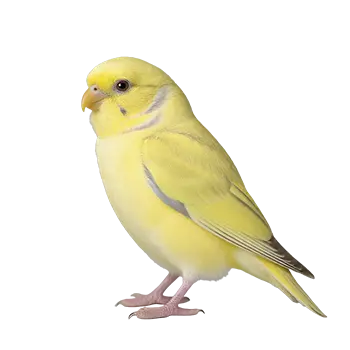
Plumage coloration in Roller Canaries is quite variable, as these birds are bred primarily for singing ability rather than specific color. The most traditional and historically common coloration is yellow to yellow-green, ranging from pale lemon yellow to deeper golden-yellow shades, often with slight greenish tones particularly on the back and wings. However, modern Rollers can be found in virtually any canary color including pure clear yellows, buffs (with a subtle frosted appearance to feathers), whites, cinnamon (brownish tones), and various pied patterns combining multiple colors. Some breeders produce Rollers in rich green shades, variegated patterns, and even red-factor colors (orange-red tones achieved through color-feeding), though colored Rollers are less common than traditional yellows.

The feather texture in Rollers is typically smooth and sleek, lying close to the body and creating a neat, tidy appearance. Unlike frilled canary varieties with elaborate feather structures, Rollers display normal, unmodified plumage that serves practical purposes of insulation and flight rather than ornamental display. The feathers have a subtle sheen in good lighting, particularly when birds are in peak condition with proper diet and molting cycles.

One of the most distinctive and recognizable features of Roller Canaries is their singing posture. When producing their characteristic songs, Rollers adopt a unique stance quite different from other canaries. They position themselves with body slightly hunched, neck somewhat extended but not fully stretched, head tilted slightly downward, and most distinctively, beak closed or opened only minimally. The throat visibly vibrates during singing as the bird produces deep, rolling notes resonating in the throat rather than projecting from an open beak. This closed-beak singing style produces the signature muffled, rolling, flute-like quality that defines the breed. Experienced fanciers can often identify a Roller by its singing posture and technique even before hearing the actual song.

Facial features include a small, short, conical beak typical of seed-eating finches, colored horn-gray to pale pink depending on the bird's overall coloration. The beak is strong enough to crack small seeds but delicate in appearance. The eyes are dark brown to black, appearing bright and alert, with thin eye rings of bare skin barely visible. The face is smooth-feathered without crests, whiskers, or other ornamental features, maintaining clean, simple lines that emphasize the bird's focus on auditory rather than visual appeal.

The body structure is compact with a relatively short tail compared to some canary breeds. The wings are well-formed and capable of swift, agile flight within cage confines, though Rollers are not typically free-flighted as extensively as some other canary varieties. The legs are short and delicate, colored flesh-pink to gray, with four toes (three forward, one back) ending in tiny curved claws suited for gripping perches. The overall appearance suggests a bird designed for efficient movement within confined spaces rather than long-distance flight.

Sexual dimorphism in Roller Canaries is minimal in terms of physical appearance. Males and females are virtually identical in size, color, and structure, making visual sexing extremely difficult and unreliable. The primary distinction is behavioral: males sing the complex, rolling songs for which the breed is famous, while females either do not sing at all or produce only simple chirps and basic calls. During breeding season, males may appear slightly larger and more robust, while females developing eggs may show abdominal swelling, but these differences are subtle. Definitive sexing requires observation of singing behavior, breeding activity (egg-laying), or examination by experienced aviculturists who can vent-sex birds (examining the cloaca), though even this method is not always conclusive outside breeding season.

Juvenile Roller Canaries resemble adult females, showing duller plumage with more brownish or grayish tones and softer, less defined coloration than adults. Young birds have shorter, fluffier feathers giving them a rounder appearance. As they mature through their first molt at approximately 6-8 weeks of age, they develop adult plumage. Young males typically begin attempting song at 4-6 months of age, though the full, refined Roller song develops over many months of practice and typically reaches peak quality in the bird's second year.

Color varieties and mutations in Roller Canaries follow the same genetic patterns as other canary breeds, with countless possible combinations. While traditional yellow and green birds remain popular among serious song enthusiasts who focus purely on vocal quality, colored Rollers have developed followings among fanciers who appreciate both song and aesthetics. Cinnamon Rollers show brown pigmentation replacing black, creating soft, warm tones. White Rollers are striking and popular. Red-factor Rollers require color-feeding with carotenoid supplements to develop orange-red tones. Pied patterns combining clear and colored areas offer visual interest. However, it bears noting that serious Roller enthusiasts prioritize song quality over color, with show standards focusing almost entirely on vocal performance rather than appearance.

Affection Level
Roller Canaries are not particularly affectionate birds, preferring to maintain distance from humans while providing auditory enjoyment through their spectacular songs. They tolerate keeper presence for feeding and maintenance but do not seek physical contact or interaction. These are birds appreciated for their vocal artistry rather than bonding or companionship qualities typical of parrots.
Sociability
Male Rollers are typically kept singly to encourage optimal singing, as they sing primarily to establish territory and attract mates. Females can be housed together or with males when breeding. Males housed together may compete vocally but generally coexist peacefully outside breeding season. These birds are moderately social, enjoying auditory contact with other canaries while maintaining individual space.
Vocalization
Roller Canaries produce sophisticated, melodious songs featuring deep rolling notes, flute-like tones, and complex phrases sung with the beak closed. Their volume is moderate—pleasant and easily heard but not loud or harsh. Males sing most actively during breeding season and morning hours. Their songs are considered the finest in the canary world, prized for musical quality rather than volume.
Intelligence
Roller Canaries demonstrate moderate intelligence typical of small songbirds. They learn complex songs through listening and practice, recognize individual keepers, understand daily routines, and can be conditioned to specific cues. While not problem-solvers on the level of parrots, they show cognitive abilities appropriate to their ecological niche including song learning and social awareness.
Exercise Needs
These small birds require moderate exercise through hopping between perches, short flights within their cage, and active foraging behaviors. A properly sized cage with multiple perches at different heights provides adequate exercise for most Rollers. Out-of-cage flight time in bird-safe rooms can be beneficial but is not essential if housing is appropriately spacious with enrichment opportunities.
Maintenance Level
Roller Canaries are low-maintenance birds requiring daily feeding, fresh water, and basic cage cleaning. Their care is straightforward and manageable for beginners. They do not require extensive social interaction, complex diets, or specialized housing beyond basic canary cages. Regular health monitoring and proper nutrition keep these hardy birds thriving with minimal time investment compared to more demanding species.
Trainability
Roller Canaries are not trainable in traditional ways but can be conditioned to respond to specific cues like feeding calls or returning to cages from free flight. Their primary training involves song development through exposure to quality roller songs during youth. They do not learn tricks or commands but can become finger-tame through patient habituation, though this is not typical or necessary for their enjoyment.
Independence
Roller Canaries are highly independent, requiring minimal human interaction beyond daily care. They entertain themselves and any listeners through singing, preening, bathing, and foraging. Single males kept for singing are perfectly content alone with proper care, singing enthusiastically without needing companionship. This independence makes them ideal for busy individuals wanting beautiful birds without extensive time commitment for interaction.

Natural Habitat & Range

The Roller Canary, being a domesticated breed rather than a wild species, has no natural habitat in the traditional sense. However, understanding the ecology of their wild ancestors—the Atlantic Canary (Serinus canaria)—provides insight into the traits and requirements that persist in domestic Rollers and helps explain their care needs and behaviors.

The wild Atlantic Canary, from which all domestic canaries descend, is native to the Canary Islands (particularly Tenerife, Gran Canaria, and La Palma), the Azores, and Madeira in the North Atlantic Ocean off the northwest coast of Africa. These volcanic islands feature varied habitats including laurel forests, pine forests, agricultural areas, gardens, and scrubland at elevations from sea level to mountain heights. Wild canaries favor semi-open habitats with scattered trees, shrubs, and open ground where they can forage for seeds while having access to protective cover from predators.

The climate of the Canary Islands is subtropical with mild temperatures year-round, typically ranging from 60-80°F (15-27°C), moderate humidity, and relatively stable conditions without extreme seasonal variation. This temperate climate means domestic canaries including Rollers are adapted to comfortable room temperatures and do not tolerate extreme heat, cold, or drafts well. They thrive in conditions similar to comfortable human indoor environments, making them well-suited to household keeping.

Wild Atlantic Canaries are social birds living in small flocks, particularly outside breeding season. They engage in coordinated foraging, communal roosting, and vocal communication maintaining flock cohesion. Breeding pairs establish territories during spring, with males singing to advertise territory boundaries and attract females. This social structure explains why domestic Rollers, while often kept singly to encourage singing, benefit from auditory contact with other canaries and why males sing most vigorously during breeding season when testosterone drives territorial and courtship behaviors.

The wild diet consists primarily of seeds from grasses, weeds, and herbs, supplemented with small amounts of green plant material, flowers, insects (particularly during breeding season when protein needs increase), and occasional fruits. This granivorous diet with supplementation forms the foundation for feeding domestic Rollers, which thrive on seed-based diets supplemented with greens, vegetables, and protein sources.

Domestication history of canaries began in the late 15th century when Spanish sailors brought wild canaries from the Canary Islands to Europe. The birds' pleasant songs and attractive appearance made them popular pets among European nobility. By the 1600s, canary breeding had become established in various European countries, with Germany emerging as a center of canary culture. The development of the Roller specifically occurred in Germany's Harz Mountain region, where coal miners bred canaries both for their early-warning capabilities in mines (their sensitivity to toxic gases) and increasingly for their singing.

Breeding programs in the Harz region focused intensely on song quality, selecting birds that produced the most melodious, complex songs. Breeders discovered that canaries raised in dark or dim conditions, such as mine shafts or darkened rooms, developed different vocal qualities than those raised in bright conditions—specifically, they sang more softly with closed beaks, producing the rolling, flute-like tones that became the Roller signature. This trait was selectively bred, refined, and standardized over generations. By the mid-1800s, the Roller had become a distinct, recognized breed with formalized song standards evaluated at competitive song contests that continue to this day.

The song training tradition developed where young male Rollers were placed near exceptional adult singers, learning the desired song characteristics through imitation. Training birds called "schoolmasters" taught youngsters the proper tours (distinct song phrases), eliminating undesirable sounds and reinforcing rolling passages, flute tones, and other prized elements. This cultural transmission of song, combined with genetic predisposition for certain vocal capabilities, created the Roller's extraordinary singing ability.

Global distribution of Roller Canaries today is worldwide, with populations of captive-bred birds in virtually every country where pet bird keeping is practiced. Germany, Belgium, and other European nations maintain strong Roller breeding traditions and competitive song evaluation. North America has active Roller communities, particularly in the United States and Canada. These birds are bred entirely in captivity, with no wild populations and no need for wild collection. The breed's success in captivity and widespread availability make Rollers easily obtained through specialty breeders, canary clubs, and sometimes pet stores, though serious song quality is best ensured by purchasing from dedicated Roller breeders who maintain song training programs.

Conservation status is not applicable to Roller Canaries as domestic breeds, though wild Atlantic Canaries are listed as Least Concern by the IUCN, with stable populations on their native islands. The domestic canary trade, including Rollers, relies entirely on captive breeding and does not impact wild populations. If anything, the global popularity of domestic canaries has increased interest in and appreciation for the wild ancestors, potentially supporting conservation of wild Atlantic Canary habitat.

Temperament

Roller Canaries possess a temperament characteristic of domestic canaries generally, displaying calm, gentle, independent personalities focused more on singing and natural behaviors than interaction with humans. Understanding this temperament is essential for prospective keepers, as expectations appropriate for parrots, budgies, or other highly interactive birds will lead to disappointment when applied to Rollers. These birds provide their companionship through song rather than physical interaction, serving as living music boxes that enhance their keeper's environment with beautiful sounds.

The overall personality of Roller Canaries can be characterized as calm, content, melodious, and decidedly independent. These are not attention-seeking birds that demand interaction or become distressed when left alone for reasonable periods. A well-cared Roller in appropriate housing with adequate food, water, and enrichment is perfectly content spending its day singing, preening, bathing, foraging, and resting without requiring or desiring human engagement. This independence is one of the breed's most appealing characteristics for people who want beautiful, low-maintenance pets that enhance the home environment without the time commitment of more demanding species.

Male Roller temperament is defined largely by singing behavior, which dominates their daily activities particularly during breeding season (typically spring and early summer, though males may sing year-round to varying degrees). Males in good condition, proper housing, and appropriate age (typically beginning around 6 months and peaking in their second through fifth years) sing enthusiastically for hours daily, particularly during morning hours. The singing is not random vocalization but rather carefully structured song passages featuring the distinct tours for which Rollers are famous. Males appear to derive satisfaction from singing, often singing more vigorously when they can hear other males or when they perceive their territory (cage and surrounding area) requires defending.

Female Roller temperament is generally even calmer than males, as females do not sing and thus direct their energy toward other activities. Female Rollers are quiet, gentle birds that chirp softly during contentment but produce no songs. During breeding season, females may show nesting behaviors including gathering nesting material, though females kept without males and nest provisions generally do not become broody or stressed. Females are often kept in pairs or small groups, coexisting peacefully and providing pleasant company for each other through soft vocalizations and coordinated activities.

Activity level in Roller Canaries is moderate but steady, with birds spending their days hopping between perches, foraging through seed dishes, bathing when water is provided, preening to maintain feather condition, and singing (in males). They are not hyperactive, frenetic birds but rather display calm, purposeful movement. Males actively singing may sing for extended periods with brief breaks for feeding, drinking, or preening, then resume singing. This activity pattern is pleasant to observe and listen to, creating a peaceful, rhythmic household presence.

Bonding capacity with humans is limited compared to parrots or other highly social species. Roller Canaries recognize their keepers through visual and auditory cues, often becoming most active and vocal when their regular caretaker approaches. They may show excitement at feeding times, hopping to the front of the cage and calling softly. However, this represents recognition and association of keeper with positive outcomes rather than bonding in the sense of forming emotional attachments. Most Rollers never become finger-tame and do not enjoy or seek physical contact with humans.

Hand-taming potential exists but is limited and not particularly beneficial to the birds. Young Rollers handled frequently from early age may become comfortable perching on fingers and tolerating gentle handling, though even these birds rarely seek out physical contact. Most Roller keepers do not pursue taming, as it provides minimal benefit to birds bred for singing rather than interaction. The time invested in taming could be better spent ensuring optimal housing, diet, and singing environment. Rollers kept specifically for song quality are typically left relatively undisturbed, as this produces the best vocal performance.

Singing behavior and song development are central to Roller temperament and experience. Young males beginning to sing at 4-6 months of age initially produce disorganized sounds as they practice and experiment. Through maturation, practice, and ideally exposure to quality adult Roller songs, young males refine their singing into the characteristic Roller style. Peak song quality typically occurs in the second through fifth years, with some males maintaining excellent song into their senior years while others decline in quality or frequency. Environmental factors dramatically affect singing: males in comfortable temperatures, appropriate lighting cycles, good nutrition, and calm environments sing most reliably and beautifully. Stress, illness, poor diet, or inappropriate housing all suppress singing.

Interaction with children should be supervised and educational rather than hands-on. Roller Canaries are delicate birds easily stressed by loud noises, sudden movements, or handling attempts. Children must learn to appreciate these birds as living music boxes to be observed and enjoyed auditorily rather than pets to hold and play with. Older children interested in bird care, music, or animal behavior can benefit from learning about Roller care, song development, and the breed's fascinating history. Teaching children to listen to and identify different song tours provides valuable lessons in focused listening and appreciation for animal abilities.

Cage territorial behavior is minimal in Rollers compared to many cage birds. They may show slight agitation when hands enter their cage for cleaning or feeding, but they typically retreat to the furthest perch rather than defending territory aggressively. This gentle nature makes routine care easy and stress-free for both bird and keeper. Some males may sing more vigorously when they perceive intrusion into their territory, but this is not true aggression but rather normal territorial song behavior.

Compatibility with other canaries depends on sex and housing arrangements. Male Rollers are typically housed individually to encourage optimal singing, as males housed together may suppress each other's songs or develop competitive singing that becomes loud and less melodious. However, males can be housed in the same room in separate cages, often stimulating better singing as they respond to each other. Females can be housed together peacefully in pairs or small groups. During breeding, compatible pairs bond and work together on nesting and chick-rearing. Outside breeding season, mixed-sex housing is generally avoided unless breeding is intended, as the presence of females can stimulate year-round breeding behavior in males causing stress and egg-laying demands on females.

Seasonal behavioral changes are pronounced in Roller Canaries, driven by photoperiod and hormonal cycles. As day length increases in spring, males enter breeding condition marked by more frequent and vigorous singing, increased activity levels, and potential interest in female companionship if present. Females in breeding condition may show nesting behaviors and are physiologically prepared to lay eggs. During summer and fall, breeding activity subsides and birds molt, becoming quieter and less active as they replace worn feathers. Winter is typically a resting period with reduced singing and calm behavior. Understanding these cycles helps keepers provide appropriate care and set realistic expectations for singing frequency throughout the year.

Molt, occurring typically once annually during late summer or early fall, significantly affects temperament and behavior. During molt, canaries become quieter, less active, and may appear slightly disheveled as old feathers are shed and new ones emerge. Males generally cease singing or sing only occasionally during heavy molt. This is normal and healthy, with full singing resuming once new plumage is complete. Providing excellent nutrition, adequate rest, and minimal stress during molt ensures proper feather regrowth and return to peak condition.

Care Requirements

Proper housing for Roller Canaries requires understanding their needs as small, active songbirds that benefit from horizontal flight space, multiple perches, and appropriate enrichment. While canaries are small birds, they require more spacious housing than many people expect to thrive and display natural behaviors. The minimum cage dimensions for a single Roller Canary should be 18 inches long by 18 inches deep by 18 inches tall, though larger is always preferable. Ideal dimensions are 24-30 inches long by 18 inches deep by 18-24 inches tall, providing horizontal flight space allowing short flights between perches. Width (horizontal space) is more important than height, as canaries are natural horizontal fliers that benefit from moving back and forth along perches rather than climbing vertically like parrots.

Cage design should prioritize functionality and ease of cleaning. Horizontal bars or a combination of horizontal and vertical bars facilitate climbing and moving about, though canaries are less prone to climbing than parrots and use perches primarily. The cage should feature a large front door allowing easy access for cleaning and potential handling. Additional smaller doors for food and water dishes are convenient. Choose cages with removable bottom grills (grates) separating the living area from the waste tray below, preventing birds from accessing droppings and soiled material. Metal cages are preferable to wooden ones for ease of cleaning and durability, with powder-coated or stainless steel construction that can withstand regular washing.

Cage placement significantly affects the bird's comfort, security, and singing. Position cages at approximately eye level or slightly higher, as birds placed too low often feel insecure and vulnerable. Place cages against a wall rather than in the center of rooms, providing security on at least one side. Locate cages in areas with normal household activity but not in the busiest traffic zones, allowing birds to feel included in family life without constant disturbance. Avoid kitchens where cooking fumes, particularly from non-stick cookware, can be lethal to birds. Position cages away from direct sunlight through windows where temperature could fluctuate dramatically, away from heating/cooling vents creating drafts, and away from doors where temperature changes occur frequently with opening and closing.

Perch selection and placement significantly impact comfort and health. Provide 3-4 perches of varying diameters (approximately 1/4 inch to 1/2 inch) forcing feet to grip differently and preventing pressure sores. Natural wood branches from safe species (manzanita, fruit tree wood, java wood) are ideal, offering varying diameters and textures promoting foot health. Position perches at different heights encouraging movement throughout the cage, ensuring at least one perch is high enough that the bird can perch with tail clear of cage bottom. Avoid placing perches directly over food or water dishes preventing fecal contamination. Include at least one perch near food and water for comfortable feeding. Avoid sandpaper-covered perches which can abrade feet, though one rough perch or cement perch can help naturally maintain nail length. Replace perches regularly as they become soiled or worn.

Food and water dishes should be ceramic or stainless steel for durability and ease of sanitization. Provide at least two separate seed dishes (one for canary seed mix, one for treats or supplements), one dish for fresh foods, and one or two water dishes. Position dishes away from perches when possible to minimize fecal contamination. Remove and wash all dishes daily with hot soapy water, sanitizing several times weekly. Consider using tube-style water bottles in addition to or instead of open dishes if contamination is problematic, though birds must be taught to use bottles.

Substrate for cage bottoms should facilitate easy cleaning. Most keepers use newspaper, paper towels, or commercial cage liner paper on the tray beneath the grate, changing it daily or every other day. Some canary keepers use fine sand or commercial bird sand spread thinly on the cage bottom, which birds may sample for grit and which absorbs droppings, though this requires more frequent replacement than paper. Avoid corn cob bedding, walnut shell bedding, or other substrates that can harbor mold or bacteria when dampened.

Toys and enrichment enhance life quality though canaries are less toy-oriented than parrots. Suitable enrichment includes small swings which many canaries enjoy, small mirrors (though these may overstimulate some birds, particularly males who may become obsessively focused on their reflection), small bells providing gentle sound, natural branches for perching and mild chewing, and foraging opportunities like millet sprays hung in various locations. Avoid toys with small parts that could be swallowed or anything where toes might become tangled. Canaries generally prefer simple environments without excessive clutter, so avoid overfilling cages with toys leaving insufficient flight space.

Bathing opportunities are essential for feather maintenance and natural behavior expression. Most canaries love bathing and should be offered baths 2-3 times weekly or daily if desired. Provide shallow dishes (approximately 1 inch deep) with clean water at cage bottom or hang bath houses on the cage door. Many canaries become excited about bath time, splashing vigorously and clearly enjoying the activity. Remove bath dishes after 1-2 hours once birds have finished bathing, as birds should not have constant access to bathing water (which they might drink when stale).

Lighting requirements include natural day length cycles maintaining healthy circadian rhythms. During most of the year, provide approximately 12-14 hours of light and 10-12 hours of darkness. Increased day length in spring stimulates breeding behavior and singing in males, while decreased day length in fall encourages molt and rest. Use natural sunlight when possible (through windows, though not direct beam exposure causing overheating), or provide full-spectrum bird lights on timers. Avoid constant artificial lighting or irregular schedules disrupting natural cycles, which can cause stress and health problems. Cover cages at night or ensure birds have access to dark, quiet sleeping areas with consistent timing each evening.

Climate control maintains comfort and health. Rollers thrive in temperatures between 65-75°F (18-24°C), tolerating somewhat cooler or warmer conditions if acclimated gradually. Avoid temperature extremes below 50°F or above 85°F, and avoid rapid temperature fluctuations. Protect from drafts which can cause respiratory problems. Humidity levels between 40-60% are generally appropriate, with adjustments based on season and local climate. In very dry conditions, particularly during winter heating season, humidifiers prevent respiratory irritation.

Cleaning schedules maintain health and hygiene. Daily tasks include changing cage bottom paper or substrate, washing food and water dishes, removing uneaten fresh foods, and spot-cleaning obvious soiling on perches. Weekly tasks include thorough cage cleaning with removal and washing of all perches and accessories, scrubbing cage bars and surfaces with bird-safe cleaner, wiping down cage exterior, and replacing all substrate. Monthly or as needed, perform complete cage breakdown and deep cleaning, inspecting all components for wear or damage. Use bird-safe cleaning products, avoiding harsh chemicals, aerosols, or anything with persistent fumes. Hot water with mild dish soap works well for routine cleaning, while white vinegar solutions or commercial avian cage cleaners handle tougher deposits.

Out-of-cage time is beneficial but not essential if housing is adequately spacious. Some keepers provide supervised free flight time in bird-safe rooms, allowing canaries to exercise wings fully and explore. However, many Rollers live healthy, content lives without ever leaving their cages provided housing is appropriately sized and enriched. If allowing free flight, thoroughly bird-proof the room by covering mirrors and windows preventing collision injuries, removing toxic plants, securing other pets, and ensuring the bird can be safely returned to its cage when necessary. Canaries are swift, agile fliers that can be challenging to catch if frightened, so consider whether free flight is practical in your situation.

Multi-bird housing for breeding or social keeping requires larger cages or flight cages. Breeding pairs require minimum 24 inches long by 18 inches deep by 18 inches tall, though 30-36 inches long is preferable. Provide nest box or nest pan with nesting materials. Groups of females can be housed in larger flight cages with adequate space preventing competition and ensuring all birds have access to food and water.

Feeding & Nutrition

Proper nutrition for Roller Canaries is relatively straightforward, as these birds thrive on seed-based diets supplemented with fresh foods and appropriate additives. Understanding their nutritional needs as small granivorous songbirds helps keepers provide complete, balanced diets supporting health, feather quality, singing, and longevity.

The foundation of a Roller Canary diet should be quality canary seed mix comprising the primary daily food source. Commercial canary seed mixes typically contain canary seed (the primary ingredient, a grass seed naturally favored by canaries), red and white millet, niger seed, and small amounts of other seeds including rape seed, flax seed, and hemp seed. Quality mixes emphasize canary seed and millet as primary ingredients, with limited quantities of oilier, higher-fat seeds like niger, hemp, and rape seed which should be treats rather than staples. Offer seed mix free-choice in clean dishes, allowing birds to eat as desired while monitoring consumption ensuring adequate intake. Approximately 1-2 teaspoons per bird per day is typical, though amounts vary based on individual metabolism, activity level, and time of year. Ensure seed is fresh without mustiness or insect contamination, storing in airtight containers in cool, dry locations.

Pelleted diets formulated for canaries have been developed by some manufacturers, providing nutritionally complete alternatives to seed-based diets. Pellets offer consistent nutrition preventing selective feeding and ensuring all nutrients are consumed. However, many canary keepers and breeders prefer seed-based diets, as canaries often find seeds more palatable and natural. Some keepers offer both seeds and pellets, allowing birds to choose. If using pellets as primary diet, choose those specifically formulated for canaries or small finches, offering free-choice access and monitoring body condition ensuring adequate intake.

Fresh greens and vegetables provide essential vitamins, minerals, and variety beyond seed diets. Suitable options include dark leafy greens (lettuce, kale, spinach in moderation, chard), dandelion greens, chickweed, carrot (grated), broccoli (small amounts), cucumber, and other safe vegetables. Offer greens fresh daily in small quantities, either chopped and clipped to cage bars or placed in dishes. Approximately one to two leaves or equivalent amount per bird daily provides good supplementation. Remove wilted or uneaten greens after several hours preventing bacterial growth. Many canaries initially ignore unfamiliar greens, requiring patience and repeated offerings before acceptance develops.

Egg food provides valuable protein and nutrients particularly during molt (feather replacement) and breeding season. Commercial egg food formulations specifically for canaries are available, or keepers can prepare homemade egg food by combining hard-boiled egg (finely chopped or grated), crushed canary seed, and small amounts of carrot or greens. Offer egg food 2-3 times weekly for maintenance, daily during molt or breeding. Remove uneaten egg food after 2-3 hours as it spoils quickly, particularly in warm conditions.

Treats and supplements enhance diet and provide enrichment. Millet sprays are favored treats for virtually all canaries, offering entertainment value as birds pick seeds from the spray while providing nutritious food. Offer millet sprays several times weekly. Other safe treats include small amounts of apple (seeds removed), pear, berries, and other fruits in moderation. Sprouted seeds provide enhanced nutrition compared to dry seeds, with germination increasing vitamin content and digestibility. Prepare sprouted seeds by soaking seeds overnight, rinsing thoroughly, then allowing to germinate for 1-2 days before feeding, ensuring thorough rinsing prevents mold.

Grit provision is debated among canary keepers. Some provide insoluble grit (small stones or commercial grit) believing it aids digestion by mechanically grinding seeds in the gizzard. Others believe grit is unnecessary or potentially harmful if overconsumed. A middle approach is offering small amounts of grit (approximately 1/4 teaspoon) sprinkled on cage bottom monthly, allowing birds to sample if desired without forcing consumption. Many healthy canaries live full lives without supplemental grit, so it should be considered optional rather than essential.

Mineral and calcium supplementation is essential for bone health, particularly in breeding females. Provide cuttlebone or mineral block constantly available in the cage, allowing birds to chew as needed for calcium and minerals. Most canaries will nibble cuttlebone periodically, with breeding females consuming more during egg production. Replace cuttlebone when fully consumed or when it becomes soiled. Alternatively, offer crushed oyster shell or calcium supplements sprinkled on food, though cuttlebone is the most common and effective method.

Vitamin supplementation practices vary among keepers. Birds receiving quality seed mix, regular greens, and egg food typically obtain adequate vitamins without additional supplementation. However, some keepers provide liquid vitamin supplements added to drinking water or powdered vitamin supplements sprinkled on moist foods 1-2 times weekly as insurance against deficiencies. If using supplements, choose products specifically formulated for canaries or small birds, following label directions carefully. Avoid over-supplementation which can be as harmful as deficiency, particularly for fat-soluble vitamins.

Foods to avoid include avocado (toxic to all birds), chocolate, caffeine, alcohol, high-salt foods, sugary treats, onions and garlic, apple seeds (contain cyanide), and anything moldy or spoiled. Also avoid feeding excessive amounts of high-fat seeds (hemp, niger, sunflower in quantity) which contribute to obesity.

Water must be fresh, clean, and constantly available. Change water at least once daily, more frequently if soiled by droppings or food debris. Use ceramic or stainless steel dishes for easy cleaning, or water bottles if contamination is problematic. Clean water dishes daily with hot soapy water, sanitizing regularly. Fresh, clean water is essential for health, particularly during hot weather, molt, and breeding season.

Feeding schedules can involve once or twice daily feeding, with many keepers refilling seed dishes each morning and checking/topping off evening if needed. Ensure adequate food is always available, as canaries have high metabolisms and should not be without food for extended periods. Remove and replace seed daily or every other day even if dishes are not empty, as hulls (empty seed coats) accumulate giving false impression of available food while actual seeds are depleted.

Seasonal dietary adjustments support changing needs. During breeding season, increase protein through daily egg food and ensure adequate calcium for egg-laying females. During molt (late summer/fall), increase protein and ensure adequate vitamins supporting feather regrowth. During winter rest period, basic maintenance diet is adequate. Adjust food amounts if birds appear too thin or too fat, as both extremes compromise health.

Monitoring food consumption and body condition ensures nutritional adequacy. Canaries should appear sleek with smooth plumage, bright eyes, and active behavior. The keel bone should have modest muscle coverage without prominent boniness or excessive fat. Weigh birds periodically on gram scales if possible, with adult Rollers typically 15-20 grams depending on individual size. Adjust diet if body condition appears poor.

Roller Canary Health & Lifespan

Roller Canaries are generally hardy, robust birds when provided with proper care, appropriate housing, and good nutrition. Their lifespan in captivity typically ranges from 10 to 15 years, with well-cared specimens occasionally reaching 15-20 years, though this is less common. Longevity depends heavily on genetics, diet, housing conditions, and absence of major health crises. Understanding common health challenges and implementing preventive care ensures Rollers live healthy, full lives. Respiratory infections are among the most common health problems in canaries including Rollers, particularly when birds are housed in cold, drafty, or poorly ventilated conditions or exposed to aerosol irritants. Symptoms include nasal discharge, labored breathing, tail bobbing, reduced singing, fluffed appearance, and lethargy. Respiratory infections may be bacterial, viral, or fungal in origin. Mycoplasma infections cause chronic respiratory disease in canaries. Air sac mites (Sternostoma tracheacolum), though more common in some other finch species, can occasionally affect canaries causing respiratory distress and voice changes. Prevention focuses on maintaining appropriate environmental conditions, avoiding drafts and temperature extremes, ensuring adequate ventilation, and keeping birds away from cooking fumes, smoke, aerosol sprays, and other air irritants. Treatment requires prompt veterinary intervention with appropriate medications.

Environmental management supporting health includes maintaining comfortable temperatures (65-75°F/18-24°C), avoiding drafts and temperature extremes, providing adequate but not excessive day length (approximately 12-14 hours during most of year), ensuring good ventilation without drafts, maintaining appropriate humidity (40-60%), and protecting from household hazards including non-stick cookware fumes (extremely toxic to birds), aerosol sprays, smoke, and other air contaminants. Maintaining excellent sanitation prevents many infectious diseases and parasitic problems. Daily water changes and spot-cleaning of obvious droppings, weekly thorough cage cleaning with removal of all perches and accessories for washing, monthly deeper cleaning including disinfection of cage and all accessories using bird-safe products, and proper food storage preventing mold or insect contamination all contribute to disease prevention. Replace substrate or cage bottom paper regularly maintaining cleanliness.

Common Health Issues

  • Respiratory infections may be bacterial - Viral, or fungal in origin.
  • Mycoplasma infections cause chronic respiratory disease in canaries. - Mycoplasma infections cause chronic respiratory disease in canaries.
  • Air sac mites - Sternostoma tracheacolum, , though more common in some other finch species, can occasionally affect canaries causing respiratory distress and voice changes.
  • Overweight birds show increased abdominal fat - Reduced activity, breathing difficulty, and increased risk of fatty liver disease.
  • Treatment involves gradual dietary adjustment and increasing exercise opportunities - \n\nEgg binding occurs in female canaries when eggs become lodged in the reproductive tract and cannot be expelled normally.
  • Egg binding requires immediate veterinary intervention. - Egg binding requires immediate veterinary intervention.

Preventive Care & Health Monitoring

  • Roller Canaries are generally hardy - Robust birds when provided with proper care, appropriate housing, and good nutrition.
  • Preventing feather cysts is difficult as they have genetic components - Though proper nutrition supporting healthy feather growth may help.
  • This life-threatening emergency results from calcium deficiency - Lack of exercise, obesity, excessive egg production, infections, or environmental stress.
  • Prevention includes providing adequate dietary calcium - Cuttlebone or mineral block, , vitamin D3 (through appropriate lighting or supplementation), exercise opportunities, avoiding overstimulation of breeding (removing nests, reducing day length), and ensuring appropriate environmental conditions.\n\nTumors and cancers can affect older canaries, with various types possible including skin tumors, internal tumors, and fatty tumors (lipomas).
  • Annual veterinary examinations with avian veterinarians are ideal though not always practiced by canary keepers who often manage routine care independently with veterinary consultation for specific problems - \n\nProper diet and nutrition using quality canary seed mix forms the dietary foundation.
  • Provide cuttlebone or mineral block constantly for calcium and minerals. - Provide cuttlebone or mineral block constantly for calcium and minerals.

Training & Vocalization

Training Roller Canaries differs fundamentally from training parrots or other intelligent, social birds, as canaries are not naturally interactive with humans and show limited interest in learning complex behaviors. However, song training—teaching young males to produce proper Roller songs with desired characteristics—represents a specialized form of training central to the breed and requires understanding of avian learning and cultural transmission of vocalizations.

Basic habituation and finger-training are possible with patient effort, though not essential for canary keeping. Young Rollers handled regularly from fledging age may become accustomed to finger perching and gentle handling, though even well-habituated birds rarely seek human interaction. The process involves slowly introducing a finger into the cage near the bird, offering favored treats like millet spray, and gently encouraging the bird to step onto the finger. Most canary keepers do not pursue finger-training as it provides minimal benefit to birds kept primarily for singing and observation. The time invested rarely produces birds truly comfortable with handling, and the process can cause unnecessary stress.

Cage training for returning birds to cages after free flight can be accomplished by establishing strong associations between the cage and positive experiences. Feed birds only in their cage, provide treats immediately upon return, and create predictable routines around cage time. Most canaries readily return to familiar cages when hungry or tired from flying, particularly if no other perching options exist in the flight room.

Song training represents the only meaningful "training" in Roller Canaries and is fundamental to breed preservation. Young male Rollers are not born singing perfect Roller songs; instead, they learn song characteristics through listening to and imitating adult males during their critical learning period between approximately 3-8 months of age. Professional breeders and serious hobbyists employ systematic song training methods to ensure young males develop proper songs with the characteristic tours defined in Roller song standards.

The traditional song training method involves housing young males where they can hear excellent adult "schoolmaster" Rollers singing proper songs. Young birds placed in close proximity to quality singers during their learning period naturally imitate what they hear, developing songs similar to their tutors. This cultural transmission of song is analogous to how young songbirds in the wild learn species-specific songs from adult tutors. The art of song training involves selecting appropriate tutors with excellent songs free from faults, positioning young birds where they can clearly hear the tutors, and eliminating exposure to poor-quality songs or undesirable sounds that might be incorporated into developing songs.

Song training rooms or "training flights" are sometimes used, housing multiple young males together where they can learn from schoolmaster birds while also stimulating each other to sing. Traditionally, training was sometimes conducted in darkened or dim conditions, as breeders discovered that reduced light encouraged softer, closed-beak singing producing the desired Roller quality. However, modern approaches often use normal lighting while carefully selecting excellent tutors for song transmission.

Modern song training may also involve recordings of champion Roller singers played regularly for young males during their learning period. High-quality recordings capturing the full range and nuance of proper Roller song can effectively supplement or replace live tutors, particularly for breeders without access to top-quality adult males. However, live tutors remain generally preferable as they provide natural, interactive learning environments.

Song evaluation standards define the ideal Roller song, helping breeders assess quality and direct breeding programs. The classic Roller song consists of various "tours"—distinct song phrases with specific characteristics including Hollow Roll (the foundational tour, featuring deep, rolling sounds produced in the throat with closed beak), Bass Roll (deeper, lower-pitched rolling passages), Water Roll (gurgling, bubbling sounds suggesting flowing water), Bell Roll (clear, metallic tones), Flute tours (pure, flute-like notes), and others. Song judges at competitive shows evaluate birds on the quality, purity, duration, and execution of these tours, with scoring systems assigning points for each element. Undesirable sounds including sharp, harsh notes, open-beak singing, or incorporated environmental sounds result in point deductions.

Vocalizations in Roller Canaries beyond structured song include various calls and sounds. Both males and females produce soft "tsip" or "seee" contact calls maintaining auditory contact and expressing contentment. Alarm calls are sharp, rapid chips given when birds are startled or perceive threats. During breeding, males and females produce soft calls coordinating nesting activities. Males beginning breeding season often produce "subsong"—quiet, rambling vocalizations combining song elements with calls, representing practice and warm-up for full singing.

Singing patterns and frequency vary by season, age, and individual factors. Males typically sing most vigorously during breeding season (spring and early summer) when testosterone levels are highest and territorial/mating motivations are strongest. Singing frequency may decrease during molt and winter. Males typically begin serious singing around 6-10 months of age, with song continuing to develop and refine through their second year. Peak singing quality often occurs between ages 2-5 years, though many males continue singing well into their senior years with gradual decline in frequency and quality. Some males sing year-round regardless of season, while others show dramatic seasonal variation.

Environmental factors dramatically affect singing. Males in comfortable temperatures, appropriate lighting cycles mimicking natural photoperiods, good nutrition, calm environments with minimal stress, and proper housing sing most reliably. Stress from illness, poor diet, inappropriate temperatures, excessive disturbance, or cramped housing all suppress singing. Providing optimal conditions maximizes singing frequency and quality.

Managing vocal behaviors is rarely necessary in Rollers, as their songs are pleasant and moderate in volume. Most people find Roller singing beautiful and soothing rather than annoying. Males typically sing most actively in morning hours, with reduced singing midday and some resumption in evening, creating pleasant daily rhythms. The closed-beak singing technique produces softer, more melodious sound than open-beak songs of many other canary varieties, making Rollers suitable even for apartments or close living situations where noise might be a concern. Rarely, males may sing excessively if overstimulated by seeing females or hearing other males constantly, potentially creating louder, less melodious competitive singing. This can be managed by adjusting housing arrangements providing more privacy or distance from stimulating factors.

Children & Other Pets

Roller Canaries can be excellent pets for families with children when appropriate expectations are established regarding interaction and care responsibilities. These birds are not hands-on pets like puppies or kittens but rather beautiful, living music boxes that provide auditory and visual enjoyment. Understanding this temperament and the bird's care needs helps families determine if Rollers are appropriate for their situation.

For families with young children under age 7-8, Roller Canaries can work well if adults assume primary care responsibility while teaching children appropriate behavior around birds. Young children must learn that canaries are delicate creatures requiring gentle treatment, quiet voices, and calm movements nearby. Essential lessons include no banging on cages or shaking enclosures, no poking fingers through cage bars attempting to touch the bird, no loud screaming or sudden noises near the cage, and understanding that the bird provides enjoyment through its song and beauty rather than physical interaction. Even with excellent training, young children should always be supervised around canaries preventing accidental harm.

Older children and teenagers can benefit tremendously from caring for Roller Canaries, learning responsibility, animal husbandry, and the value of consistent daily care. Appropriate tasks include daily feeding and water changes under initial supervision, spot-cleaning cage bottoms, recording observations about the bird's health and behavior, assisting with weekly cage cleanings, and potentially learning about canary breeding and song development if family interest extends that direction. These responsibilities teach valuable lessons about commitment, as canaries require care every single day regardless of schedules, weather, or competing activities.

Educational opportunities abound with Roller Canaries. Children can learn about bird biology, song development and learning in animals, the history of canary domestication, selective breeding, and principles of animal care and welfare. For children interested in music, studying and identifying the different tours in Roller songs provides ear training and appreciation for complex natural sounds. For children interested in history, researching the development of Roller breed and its connection to German mining culture offers fascinating cultural context.

Bite risk with Roller Canaries is essentially nonexistent, as these small birds have tiny beaks capable of only the most minor pinch that rarely even breaks skin. Canaries are not aggressive and will not attack humans; their primary defense is flight or retreat. The actual risk involves children attempting to catch or handle birds roughly, potentially injuring delicate bodies, wings, or legs. Proper education about treating birds gently and leaving them undisturbed prevents injury to the birds.

Integration with other household pets requires assessment and management based on specific animals and household layout. Roller Canaries in secure cages are generally safe from pets that cannot open cage doors, though psychological impacts must be considered.

Cats represent the most significant concern, as felines are natural predators viewing small birds as prey. Even cats that cannot physically access the cage may stalk birds from outside, causing chronic stress affecting the canary's health, singing, and wellbeing. Some canaries become habituated to cats they can observe from secure positions, while others remain perpetually stressed. If cats are present, position canary cages where cats cannot constantly stare at them, consider elevated placement making access impossible for cats, never allow cats in rooms with canaries during cage cleaning or maintenance, and carefully assess the individual canary's stress response. Some households successfully keep cats and canaries separated by housing birds in rooms where cats are never permitted.

Dogs vary in their behavior toward caged birds. Many dogs ignore canaries completely, while others become fixated, barking at or jumping near cages. Even non-aggressive dog behavior can stress nervous birds. Assess individual dogs' responses and make decisions accordingly. Train dogs using positive reinforcement to ignore bird areas, and ensure cages are positioned where enthusiastic dogs cannot accidentally knock them over. Some canaries sing more frequently in response to dog activity, seemingly unbothered by canine presence, while others become silent and stressed.

Small mammals including ferrets, rats, hamsters, and others should be kept completely separated from canary areas. Ferrets are particularly dangerous as determined predators potentially capable of opening simple cage latches. Never allow any predatory mammal unsupervised access to rooms housing canaries. Even caged small mammals may stress canaries through scent and sound, requiring assessment of individual bird responses.

Other bird species can often successfully coexist with Roller Canaries in the same household though not necessarily the same cage. In multi-bird households, provide each species with appropriate housing in the same room or nearby rooms, allowing auditory contact without physical interaction. Some canary keepers house different canary varieties (Rollers, colored canaries, type canaries) in separate cages in shared bird rooms, providing auditory stimulation without fighting or hybridization concerns. Budgies, cockatiels, finches, and other small birds can be housed near canaries in separate cages without problems in most cases. However, do not house canaries with parrots that might reach through cage bars and injure them, or with aggressive species that might cause stress.

Mixed-species cage housing is generally not recommended for Roller Canaries, as they do best with their own species or alone (for singing males). Some keepers successfully house canaries with compatible finch species in large flight cages, though careful species selection and adequate space are essential. Male Rollers kept specifically for song should always be housed singly to encourage optimal singing.

Protection from wild birds and pests is necessary for canaries housed near windows or in areas where wild birds might be visible or audible. Some canaries become stressed by seeing wild birds outside windows, while others are unbothered. Assess individual responses and make adjustments if stress is apparent. Keep stored bird food in secure, airtight containers preventing access by mice, moths, or other pests attracted to seeds.

Supervision protocols for multi-pet households should establish clear rules about when pets can access areas where canaries are housed. During cage cleaning, maintenance, or any time canary cage doors are open, other pets should be secured elsewhere. Establish routines preventing accidental encounters and make all family members aware of proper protocols.

Emergency protocols should be discussed with all family members. Everyone should know what to do if the canary escapes, appears injured or ill, or if other pets access the bird room. Keep avian veterinarian contact information readily accessible, though many canary health issues can be managed with guidance from experienced breeders or canary clubs if avian veterinary care is not readily available in your area.