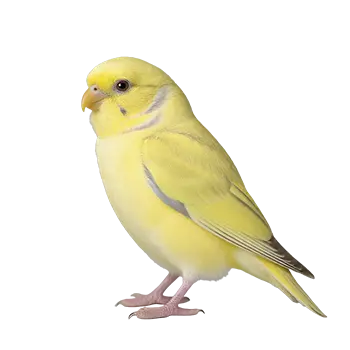

Recognizing the Aging Canary

Roller Canaries typically begin showing signs of aging somewhere between six and eight years of age, though individual variation is considerable. Some birds remain vigorous and vocally active well into their ninth or tenth year, while others display noticeable decline earlier, particularly if they have been bred intensively or have experienced chronic health challenges. Understanding the normal signs of aging in a canary helps the keeper distinguish between natural senescence and treatable medical conditions, ensuring the bird receives appropriate support during its later years.

One of the earliest signs of aging is a gradual reduction in singing frequency and duration. A male Roller Canary that once sang for extended periods throughout the day may begin limiting his performances to shorter sessions, typically concentrated in the morning hours. The quality of the song itself may also shift, with some tours becoming less precise or losing depth compared to the bird's prime. This decline is driven by the natural decrease in testosterone production that occurs with age and by the gradual degradation of the neuromuscular pathways that control the syrinx. While diminished singing can also be caused by illness, a progressive, gradual reduction over months or years is usually a normal feature of aging.

Physical changes become apparent over time. The feathers of a senior canary may lose some of their former luster and tightness, appearing slightly duller or more loosely held than those of a young adult bird. Molts may take longer to complete and may produce feathers of slightly lesser quality. The bird's overall musculature may thin, particularly along the keel bone and pectoral region, and you may notice that the bird spends more time resting and less time engaging in vigorous flight or active exploration of the cage.

Activity level and sleep patterns shift in aging canaries. Senior birds often become less active during the middle of the day, preferring to perch quietly rather than hop and fly. They may retire earlier in the evening and take longer to become active in the morning. Some senior canaries develop a preference for a specific perch and spend the majority of their time there, moving only to eat, drink, and bathe. These behavioral changes are typically gradual, and as long as the bird continues to eat, drink, produce normal droppings, and maintain a reasonable body condition, they represent normal aging rather than acute illness.

Dietary Adjustments for Senior Birds

The nutritional needs of a senior Roller Canary shift as its metabolism slows, its digestive efficiency decreases, and its ability to process certain nutrients changes. A diet that served the bird well during its prime years may need modification to account for these age-related changes. The goal is to provide maximum nutrition with minimal digestive burden while supporting immune function, feather quality, and overall vitality.

Reduce the proportion of high-fat seeds in the mix for senior birds that are less active than they once were. Excess fat in a sedentary bird leads to weight gain and increases the risk of hepatic lipidosis, a condition to which aging canaries are particularly susceptible. If the bird's standard mix includes significant amounts of hemp, sunflower, or flax, consider switching to a lighter formulation that emphasizes canary grass seed and rapeseed while reducing the oilier components. Monitor the bird's body condition regularly to ensure the dietary change does not lead to excessive weight loss in the other direction.

Increase the frequency of soft food offerings. Senior canaries may find it increasingly difficult to husk hard, dry seed efficiently, particularly if the beak has become slightly overgrown, worn asymmetrically, or weakened with age. Soaked or sprouted seed, which is softer and easier to handle, provides the same nutritional profile as dry seed with less mechanical effort. Egg food offered three to four times per week helps maintain protein intake without relying solely on seed sources. Finely chopped greens, grated vegetables, and small amounts of cooked grains such as quinoa or brown rice add nutritional variety and are easy for an older bird to consume.

Calcium and vitamin D3 supplementation becomes more important in senior canaries, whose bone density naturally decreases with age. Ensure a cuttlebone or mineral block is always available, and consider adding a liquid calcium-D3 supplement to the drinking water once or twice weekly. Adequate calcium supports not only bone health but also nerve function and muscle contraction, both of which are important for maintaining the bird's mobility and coordination as it ages.

Hydration is a subtle but critical concern in senior birds. Older canaries may drink less than younger birds, particularly if their cage layout makes water access inconvenient. Ensure the water dispenser is positioned at a height and location that the bird can reach easily without having to fly or climb. Some keepers of senior birds place a second water source at a lower level in the cage to accommodate reduced mobility. Fresh, clean water should be available at all times, and water containers should be cleaned and refilled daily to prevent bacterial contamination.

Environmental Modifications

The cage environment that served a Roller Canary well during its active adult years may need thoughtful modification as the bird enters its senior stage. Changes in mobility, balance, stamina, and temperature tolerance all influence the ideal cage setup for an aging canary. The objective is to make the bird's daily life easier and safer without eliminating all opportunity for movement and stimulation.

Lower the perching heights in the cage so that the bird does not need to make long, strenuous flights to reach its preferred resting spots. Senior canaries that have lost some flight strength or coordination are at greater risk of falling and injuring themselves during attempts to reach high perches. Positioning the primary perches no more than a few inches above the cage floor, with intermediate steps or closely spaced perches that allow the bird to hop rather than fly, reduces this risk while still encouraging some physical activity.

Wider perches are often beneficial for older birds whose grip strength has diminished. A perch with a diameter at the upper end of the comfortable range, around five-eighths of an inch for a canary, allows the bird to rest its feet more flatly rather than gripping tightly, which reduces fatigue and the likelihood of developing pressure sores. Wrapping a perch with self-adhesive veterinary bandage material can provide additional cushioning and grip for a bird with arthritic toes, though the wrapping must be replaced regularly to maintain hygiene.

Temperature sensitivity increases in senior canaries, whose ability to thermoregulate declines as they age. Keep the room temperature stable, ideally between 68 and 75 degrees Fahrenheit, and eliminate drafts near the cage. Older birds are more vulnerable to both chilling and overheating, so avoid placing the cage near heating vents, radiators, or windows that receive direct afternoon sun. A slightly warmer room temperature, on the higher end of the comfortable range, is generally better tolerated by geriatric canaries than a cooler one.

Ensure that food and water are easily accessible without requiring the bird to navigate obstacles or make difficult flights. Place dishes near the bird's preferred perching area, and consider using open dishes rather than hopper-style feeders if the bird is having difficulty accessing seed through narrow openings. Monitor whether the bird is actually eating and drinking rather than simply sitting near the food, as a senior canary with declining vision or coordination may approach its food dish without successfully consuming adequate amounts.

Common Age-Related Conditions

Senior Roller Canaries are susceptible to a range of age-related health conditions, many of which can be managed effectively when identified early. Familiarity with the most common geriatric ailments allows keepers to seek veterinary care promptly and make informed decisions about treatment and ongoing support for the aging bird.

Arthritis and joint stiffness are among the most frequent complaints in aging canaries. An arthritic bird may shift its weight frequently while perching, favor one foot over the other, or have difficulty gripping perches that it previously navigated without trouble. The toes may appear swollen or stiff, and the bird may become reluctant to hop or fly. Veterinary treatment may include anti-inflammatory medications prescribed at appropriate dosages for a bird of the canary's small body mass. Environmental modifications, such as the wider, cushioned perches described above, provide mechanical relief.

Hepatic lipidosis, or fatty liver disease, is common in senior canaries that have consumed a high-fat diet or been housed in cages too small for adequate exercise. The liver becomes infiltrated with fat deposits that impair its function, leading to a cascade of metabolic problems. Symptoms can include an enlarged, visible abdomen, beak and nail overgrowth due to impaired keratin metabolism, feather quality deterioration, and in advanced cases, neurological signs such as loss of coordination. Treatment involves dietary correction, supportive care with liver-protective supplements such as milk thistle extract prescribed by a veterinarian, and addressing any underlying obesity.

Cataracts and declining vision affect some senior canaries, manifesting as a clouding of the lens that is sometimes visible upon close inspection of the eye. A bird with impaired vision may become startled more easily, hesitate before flying, or bump into cage furnishings. While surgical correction is not practical for a bird this small, environmental management, such as maintaining a consistent cage layout and avoiding sudden rearrangements, helps the visually impaired bird navigate its surroundings safely.

Tumors, both benign and malignant, become more prevalent in geriatric canaries. Lipomas, fatty tumors that form beneath the skin, are relatively common and typically grow slowly. Internal tumors affecting the kidneys, reproductive organs, or liver are also seen with increasing frequency in older birds. External tumors may be visible as lumps under the skin or feathers, while internal tumors often present as vague symptoms including weight loss, abdominal swelling, lameness from nerve compression, or progressive lethargy. Diagnosis typically requires veterinary examination and may include imaging. Treatment options depend on the tumor type, location, and the bird's overall condition.

Veterinary Care & Monitoring

Regular veterinary oversight becomes increasingly important as a Roller Canary ages. The margin for error in managing a senior bird's health is narrower than in a young adult, and conditions that a robust younger bird might compensate for can rapidly overwhelm the diminished reserves of an aging canary. A relationship with an experienced avian veterinarian, established ideally during the bird's younger years, pays dividends during the senior stage.

Schedule veterinary wellness checks at least twice yearly for a senior canary, or more frequently if the bird has a diagnosed chronic condition. A typical senior wellness visit includes a thorough physical examination, assessment of body condition and muscle mass, evaluation of feather quality, examination of the beak, nails, and feet, and a fecal analysis to screen for parasites and abnormal bacteria. Blood work, though more technically challenging in a bird as small as a canary, can provide valuable information about liver function, kidney health, and metabolic status when clinical signs suggest an internal problem.

At home, the keeper's daily monitoring serves as the front line of health surveillance. Continue weighing the bird at regular intervals, at least weekly and ideally every few days. Weight changes in a small bird represent a proportionally larger shift than they would in a larger animal; a two-gram loss in a 22-gram canary is roughly equivalent to a nine-percent body weight decrease, which is clinically significant. Track weights in a log and bring this record to veterinary appointments.

Droppings analysis by the keeper is a simple but powerful monitoring tool. A senior canary's droppings should be assessed daily for changes in the fecal component's color and consistency, the ratio of urates to liquid urine, and overall volume. Increased urine output can indicate kidney dysfunction, while dark or tarry fecal material may suggest gastrointestinal bleeding. Any persistent change from the bird's baseline droppings pattern warrants a veterinary consultation.

Beak and nail maintenance may require more frequent attention in senior birds. The keratin growth rate and wear pattern can shift with age, leading to overgrown beaks that make eating difficult or nails that curl excessively and catch on cage furnishings. An avian veterinarian or experienced keeper can trim the beak and nails safely, but the procedure requires care to avoid cutting into the blood supply. If beak overgrowth is recurrent, it may indicate an underlying liver condition that should be investigated.

Maintaining Quality of Life

Quality of life for a senior Roller Canary is measured not by the standards of its youth but by the bird's continued ability to engage in the activities that bring it comfort and satisfaction. An aging canary may no longer sing with the vigor of its prime years or fly with the agility of its adolescence, but it can still enjoy bathing, eating favorite foods, observing household activity, and resting in a warm, secure environment. The keeper's role shifts from optimizing performance to preserving comfort and dignity.

Maintain a consistent daily routine for the senior bird, as predictability reduces stress and helps the bird navigate its environment confidently despite any sensory or physical decline. Keep the cage layout stable, avoiding unnecessary rearrangements that can disorient a bird with reduced vision or mobility. Cover and uncover the cage at the same times each day, and maintain a consistent light-dark cycle that provides the bird with adequate rest.

Bathing remains important for senior canaries, though the bird may bathe less vigorously or less frequently than it did when younger. Continue offering a bath dish regularly, and if the bird seems reluctant or unable to use a standard dish, try a shallower container or mist the bird very lightly with lukewarm water from a plant sprayer. Clean, well-maintained feathers contribute to thermal insulation and skin health, both of which are particularly important for an older bird with diminished thermoregulatory capacity.

Social engagement, even at a reduced intensity, remains beneficial. Talk to the senior canary, play quiet music, and position the cage where the bird can watch daily household activity without being exposed to excessive noise or commotion. Some senior canaries become more responsive to human interaction as they age, seemingly appreciating calm companionship in a way that was less apparent during their busier adult years.

Recognize that the senior stage is a time when quality matters more than quantity. A bird that is eating well, producing normal droppings, maintaining reasonable body condition, and resting comfortably is experiencing a good quality of life even if it no longer sings or flies. A bird that is struggling to eat, losing weight persistently, breathing with difficulty, or showing signs of pain has a compromised quality of life that warrants a frank conversation with your avian veterinarian about palliative options and, if necessary, humane end-of-life decisions.

When Extra Support Is Needed

There are moments in the senior Roller Canary's life when the standard care routine is no longer sufficient and additional intervention becomes necessary. Recognizing these moments promptly is essential because small passerine birds have very limited physiological reserves, and a condition that might simmer for days in a larger bird can become critical within hours in a canary. The keeper who knows when to escalate is the keeper whose senior bird has the best chance of a comfortable old age.

A sudden refusal to eat is one of the most urgent warning signs in a senior canary. While a younger bird might skip a meal without consequence, an older bird's glycogen reserves are more limited, and prolonged fasting can lead to dangerous hypoglycemia. If a senior canary stops eating, first check for obvious physical causes: an overgrown beak that prevents seed husking, a sore on the tongue or oral cavity, or a crop that feels distended and doughy from stasis. If no mechanical cause is apparent, the bird needs veterinary evaluation the same day. In the interim, keeping the environment warm and offering easily consumed soft food such as warmed egg food or soaked seed may help.

Labored breathing in an older canary demands immediate attention. While mild respiratory sounds might develop gradually in a bird with a chronic, low-grade air sac mite infestation that has been managed over time, a sudden onset of open-mouth breathing, severe tail bobbing, or audible gasping represents an acute crisis. Possible causes range from respiratory infection to cardiac dysfunction to air sac compression from an abdominal tumor. Provide supplemental warmth, minimize handling, and transport the bird to an avian veterinarian as soon as possible.

Progressive balance problems or an inability to perch securely signal a neurological, musculoskeletal, or metabolic issue that needs professional assessment. A bird that repeatedly falls from its perch, lists to one side, or cannot grip with one or both feet may be experiencing a stroke, a tumor pressing on nerves, severe arthritis, or metabolic encephalopathy from organ failure. Temporarily lower all perches to minimize fall height and pad the cage floor with a soft towel to cushion any falls while arranging veterinary care.

Significant weight loss over a short period, typically more than ten percent of body weight within a week, is a red flag that should trigger immediate veterinary evaluation regardless of whether other symptoms are present. In a senior canary, rapid weight loss can indicate cancer, organ failure, chronic infection, or malabsorption, all of which require professional diagnosis to differentiate and manage. Do not adopt a wait-and-see approach with a geriatric bird that is losing weight quickly; the window for effective intervention narrows with each passing day.

Always consult a qualified professional before making any health-related decisions. This content is provided for informational reference only and should not replace professional guidance specific to your animal.