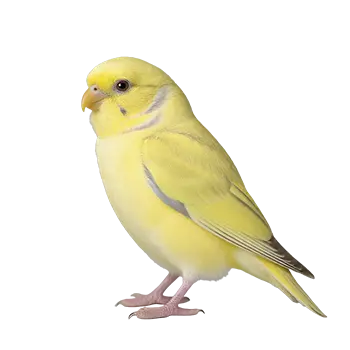

Successful Roller Canary breeding begins months before the first egg is laid, with a deliberate conditioning process that brings both the cock and the hen into optimal reproductive readiness at the same time. In the Northern Hemisphere, the natural breeding season for canaries runs from approximately late February through June, triggered by increasing day length that stimulates the hormonal changes necessary for reproduction. Breeders who work with natural light cycles can expect their birds to come into condition without artificial manipulation, though controlled lighting is widely used to advance or synchronize breeding readiness.
Conditioning begins with a gradual increase in dietary richness, starting six to eight weeks before the intended pairing date. Transition both the male and female from their standard maintenance diet to a breeding diet that includes daily egg food, increased access to protein-rich seeds such as niger and hemp, sprouted seed, and a variety of fresh greens. This nutritional ramp-up provides the raw materials the hen will need for egg production, including calcium for eggshell formation, protein for albumen development, and fat reserves to sustain her through the energy-intensive incubation and rearing period.
Physical readiness can be assessed by observing behavioral cues. A conditioned hen will begin carrying nesting material in her beak, crouching on the perch with a slightly flattened posture, and producing a distinctive soft calling note. A conditioned cock will sing with increased intensity and frequency, display courtship feeding behavior even when no hen is present, and become visibly more animated and territorial. Pairing a hen and cock that are not yet in synchronized breeding condition often leads to aggression, failed mating attempts, or infertile clutches.
The breeding cage should be set up and furnished before the pair is introduced. A standard canary breeding cage with a removable divider allows the birds to see and hear each other for several days before physical contact is permitted, which helps gauge compatibility and reduces the risk of aggression when the divider is removed. Attach a nest pan or open-style canary nest to the inside of the cage at a height that gives the hen a sense of security, and provide an ample supply of nesting material, including commercially available canary nesting fiber, clean burlap threads, and small pieces of dried grass.