
Daily Care & Routine

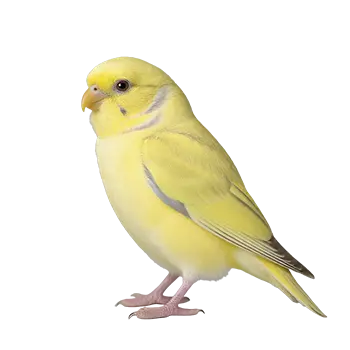
An adult Roller Canary thrives on consistency. These birds are creatures of habit, and a predictable daily routine reduces stress, supports healthy hormone regulation, and encourages reliable singing behavior. While canaries are often praised as low-maintenance companions, the quality of their daily care directly influences their longevity, feather condition, and vocal performance. A well-structured routine, followed with attention to detail, is the foundation of excellent canary husbandry.

Begin each morning by uncovering the cage at a consistent time, ideally synchronized with natural dawn or within a reasonable window that provides the bird with 10 to 12 hours of daylight during the non-breeding season. Observe the bird immediately upon uncovering. A healthy adult Roller Canary will be alert, perched upright, and often begins singing within minutes of the lights coming on. Note any deviation from this pattern, as a bird that remains fluffed, sits on the cage floor, or is slow to become active may be experiencing the early stages of illness.

Fresh food and water should be provided every morning without exception. Remove and clean all food dishes, discarding any uneaten fresh items from the previous day. Refill the seed dish with a fresh portion of a high-quality canary seed mix, provide a small serving of egg food or a soft food supplement, and offer a piece of fresh green vegetable or fruit. Water dispensers or dishes should be thoroughly rinsed and refilled with clean, room-temperature water. Bacteria multiply rapidly in standing water, particularly in warm environments, and contaminated water is a common vector for gastrointestinal infections.

Cage floor maintenance is a daily task. Remove soiled paper or substrate from the tray and replace it with clean material. This simple step significantly reduces the ambient bacterial and fungal load in the cage and gives you an opportunity to inspect the bird's droppings for any changes in consistency, color, or volume that might indicate a health concern. A quick visual scan of the cage for any broken perches, damaged hardware, or accumulated debris rounds out the morning routine.

In the evening, cover the cage at a consistent time to provide the bird with a quiet, dark sleeping period. Roller Canaries need uninterrupted rest to maintain their health and immune function. The sleeping area should be free from television noise, household traffic, and sudden light changes. A dedicated cage cover made of breathable, opaque fabric blocks light effectively while still allowing adequate air circulation.

Diet & Nutrition

The adult Roller Canary's diet must be carefully balanced to sustain energy levels, maintain feather quality, support immune function, and fuel the metabolic demands of regular singing. Canaries are primarily granivorous, meaning seeds form the core of their diet, but a seed-only regimen is nutritionally incomplete and will lead to deficiencies over time. A thoughtfully varied diet that combines seeds, fresh foods, and supplements produces a healthier, longer-lived, and better-singing bird.

The seed mix should be formulated specifically for canaries and should include a base of canary grass seed supplemented with smaller proportions of rapeseed, niger seed, linseed, hemp seed, and oat groats. Avoid mixes that are heavily padded with millet or sunflower seed, which are higher in fat and lower in the specific nutrients canaries need. Purchase seed from reputable suppliers and check for freshness by sprouting a small sample; viable seed that germinates readily is nutritionally superior to stale, dead seed that may have lost much of its vitamin content.

Fresh vegetables and greens should be offered daily in small, manageable portions. Dandelion greens, romaine lettuce, broccoli florets, grated carrot, and watercress are excellent choices that provide vitamins A, C, and K, along with calcium and trace minerals. Fruit can be offered sparingly, as its sugar content is high; a thin slice of apple, a few blueberries, or a small piece of melon once or twice a week adds variety without excessive sugar intake. Avoid avocado, onion, garlic, and any fruit pits or seeds from stone fruits, all of which are toxic to birds.

Egg food is a staple supplement for many canary keepers and serves as the primary source of concentrated animal protein in the diet. Commercial egg food preparations are convenient and nutritionally balanced, but many experienced keepers prepare their own by combining hard-boiled egg, crushed eggshell, and dry bread crumbs or biscuit meal. Offer egg food two to three times per week during non-breeding, non-molting periods, and increase frequency to daily during the annual molt when protein demands spike.

A cuttlebone or mineral block should be available in the cage at all times, providing calcium and trace minerals that support bone density, eggshell formation in hens, and beak conditioning. Liquid vitamin and mineral supplements can be added to the drinking water once or twice weekly, but avoid over-supplementation, as excessive vitamin A or D can cause toxicity. If the bird's diet includes a good variety of fresh foods and quality seed, supplementation serves as insurance rather than a primary nutrient source.

Song Maintenance & Performance

The adult Roller Canary's song is the defining attribute of the breed, and maintaining its quality requires an understanding of the biological and environmental factors that influence vocal performance. Unlike many other canary breeds that favor loud, chopping song passages, the Roller sings with its beak nearly closed, producing a distinctive repertoire of soft, rolling, deeply resonant tours that have been refined by selective breeding over centuries. A mature Roller male in full song is performing a feat of extraordinary neuromuscular control, and the conditions under which he lives directly affect his ability to deliver that performance.

Song in adult male canaries is driven by testosterone and regulated by photoperiod. As day length increases in late winter and spring, rising testosterone levels stimulate the song control centers in the brain, and the male enters his most active singing period. During the long days of spring and early summer, a healthy Roller male may sing for hours each day, cycling through his repertoire of tours with increasing precision and confidence. As day length shortens in late summer and fall, testosterone levels decline, and the bird enters a quieter period that coincides with the annual molt. This seasonal cycle is natural and should not be artificially overridden by manipulating lighting.

The acoustic environment matters greatly for a Roller Canary in its prime. These birds sing best in a calm, relatively quiet setting where they can hear their own output clearly. Excessive background noise, whether from television, other loud birds, or household commotion, can cause a Roller to increase his volume, which works against the breed's characteristic soft delivery. Ideally, the bird should be housed in a room where it can sing without competing with other sounds, allowing the subtle qualities of its rolling passages to develop and be maintained.

For keepers who participate in song competitions or exhibitions, regular evaluation of the bird's repertoire is important. The classic Roller tours, including the hollow roll, bass roll, glucke, hollow bell, water roll, schockel, knorr, and flute, are each judged on specific criteria including depth, continuity, and purity. An adult bird's song is largely crystallized by the end of its first year, meaning the repertoire it learned as a juvenile is essentially fixed. However, subtle refinements in delivery, tone quality, and tour transitions can continue to improve with age and experience. Providing the bird with a consistent, low-stress environment and excellent nutrition supports these refinements.

Hens do not typically develop the complex song of males, but adult female Roller Canaries may produce short, simple vocalizations and contact calls. The absence of elaborate song in a female is entirely normal and not a sign of illness or unhappiness. Hens contribute to the breeding program through their genetics, carrying song-quality traits that they pass to their male offspring even though they do not express those traits vocally themselves.

The Annual Molt

Every adult Roller Canary undergoes a complete molt once per year, typically beginning in late summer or early fall when decreasing day length triggers the hormonal cascade that initiates feather replacement. The annual molt is the most metabolically demanding period in a non-breeding canary's year, and its management has a direct impact on the bird's health, feather quality, and subsequent singing season. A well-supported molt produces a tight, glossy, structurally sound set of feathers that insulates effectively, looks attractive, and lasts until the next year's replacement cycle.

The molt generally begins with the shedding of body feathers, followed by the sequential replacement of wing and tail feathers. A complete molt can take six to eight weeks, during which the bird may appear disheveled and less active than usual. Singing typically ceases or is greatly reduced during the molt, as the bird redirects metabolic resources from vocalization to feather production. This quiet period is normal and expected; attempting to stimulate singing during the molt through increased light exposure or social stimulation is counterproductive and can compromise feather quality.

Nutritional support during the molt should be intensified. Increase the frequency of egg food offerings to daily, and ensure the seed mix includes good levels of oily seeds such as niger, linseed, and hemp, which provide the fatty acids needed for feather structure. Fresh greens rich in beta-carotene and vitamin A, such as dandelion leaves, carrot tops, and broccoli, support the production of properly pigmented, resilient feathers. Bathing opportunities should be offered several times per week, as moisture helps loosen old feathers and allows emerging pin feathers to unfurl cleanly.

Monitor the bird's weight and condition throughout the molt. A modest weight dip is common as metabolic demands increase, but significant weight loss or a bird that appears excessively thin or weak should be evaluated for concurrent illness. Feather quality at the end of the molt serves as an indicator of the bird's overall health during the process. Stress bars, transparent or weakened bands across the feather vane, indicate that the bird experienced a period of nutritional deprivation, illness, or acute stress while that section of the feather was growing. Consistently poor feather quality across multiple molts suggests a chronic dietary deficiency or an underlying health condition that merits veterinary investigation.

Cage Environment & Enrichment

An adult Roller Canary's cage is its primary habitat, and the quality of that environment has measurable effects on the bird's physical health, psychological well-being, and vocal output. Canaries do not require the complex toy arrangements and foraging puzzles that parrots need, but they do have specific spatial, perching, and sensory requirements that must be met for the bird to thrive during its adult years.

Cage size should allow the bird to make short flights between perches without obstruction. A minimum length of 24 inches is recommended for a single adult Roller Canary, with greater length preferred when space permits. Flight cages measuring 30 to 36 inches in length provide even better exercise opportunities and are ideal for birds that are not given supervised out-of-cage flight time. Bar spacing must remain at or below half an inch to prevent escape or injury. The cage should be positioned at or above eye level in a room with stable temperature, away from drafts, direct heating vents, kitchen fumes, and windows where direct sunlight could cause overheating.

Perching variety remains important throughout the bird's life. Offer at least three to four perches of different diameters and materials, including natural wood branches, which provide the irregular surfaces that promote foot health. Avoid placing all perches at the same height; staggered heights encourage the bird to move vertically and horizontally, adding variety to its exercise patterns. Replace any perch that becomes excessively soiled, splintered, or worn, as damaged perches can harbor bacteria and cause foot injuries.

Bathing is an essential enrichment activity for canaries and should be offered at least three to four times per week, or daily if the bird is an enthusiastic bather. A shallow bath dish placed on the cage floor or clipped to the cage door allows the bird to splash and preen at its leisure. Bathing maintains feather condition, removes dust and dander, and provides a source of sensory stimulation and apparent enjoyment. Remove the bath dish after an hour or two to prevent the bird from drinking soiled bath water.

Auditory enrichment deserves special attention for Roller Canaries. While these birds do not learn new tours after their song has crystallized, they remain responsive to and stimulated by music, natural sounds, and the songs of other canaries. Playing quiet classical music or recordings of birdsong at low volume during the day can create a pleasant ambient soundscape that encourages singing. Avoid loud, percussive, or discordant music, which can stress the bird and suppress vocalization.

Health & Wellness

Adult Roller Canaries are generally robust when provided with proper nutrition, a clean environment, and protection from common hazards, but they are susceptible to several health conditions that every keeper should understand. Preventive care, early detection, and prompt treatment are the pillars of keeping an adult canary healthy through its prime years and beyond.

Air sac mites remain a persistent concern throughout a canary's life. Sternostoma tracheacolum colonizes the respiratory tract, and infestations can build gradually, sometimes producing only subtle symptoms until the mite population reaches a level that causes significant respiratory compromise. Regular listening for nighttime clicking or wheezing, watching for open-mouth breathing, and scheduling periodic veterinary checks that include tracheal transillumination are all prudent measures. Ivermectin, administered topically or orally under veterinary guidance, is the standard treatment and can also be used prophylactically in breeding collections.

Canary pox is a viral disease transmitted by mosquitoes that can affect birds of all ages. The dry form produces crusty lesions on the feet, legs, beak, and around the eyes, while the wet form causes diphtheritic plaques in the mouth and throat that can obstruct breathing and feeding. There is no cure for canary pox; treatment is supportive, and prevention through mosquito control, such as screening windows, eliminating standing water, and using avian-safe insect deterrents, is far more effective than treating an active infection. Vaccination is available and widely used in regions where pox is endemic.

Obesity is an underappreciated health risk in pet canaries, particularly those housed in small cages with limited flight opportunity and fed a high-fat seed mix. An overweight Roller Canary may develop hepatic lipidosis, a fatty liver condition that impairs organ function and can be fatal if left unaddressed. Maintaining a balanced diet, providing adequate cage space for flight, and monitoring body condition by gently palpating the keel bone are the best defenses against obesity. A healthy canary's keel should be easily palpable with a thin layer of muscle on either side; if the keel is buried beneath a rounded, soft mass, the bird is carrying excess fat.

Regular veterinary visits, ideally once or twice per year, allow an avian veterinarian to perform physical examinations, fecal screenings, and other diagnostics that catch developing problems before they become emergencies. Between veterinary visits, the keeper's daily observations are the most important monitoring tool. Changes in droppings, appetite, activity level, vocalization patterns, feather condition, or breathing should all be noted and investigated promptly.

Social Needs & Companionship

The social requirements of an adult Roller Canary are often misunderstood. Canaries are not flock birds in the way that budgerigars or cockatiels are, and they do not typically crave physical contact with humans or other birds. However, they are far from indifferent to their social environment. An adult Roller Canary benefits from visual contact with household activity, auditory stimulation, and, in some cases, the nearby presence of other canaries, provided the arrangement is managed thoughtfully.

Male Roller Canaries are territorial, and housing two males in the same cage almost always results in conflict, stress, and suppressed singing in the subordinate bird. Males kept for song should be housed individually in separate cages, which can be placed in the same room so that each bird can hear the other without direct physical confrontation. This arrangement actually stimulates singing, as each male perceives the other's song as a territorial challenge and responds with increased vocal effort and repertoire display.

A male and female can sometimes be housed together outside of breeding season, but this arrangement carries risks. The male's hormones may be stimulated by the female's presence, leading to out-of-season mating attempts, persistent courtship feeding, and territorial behavior. Many keepers prefer to house males and females separately during the non-breeding months, bringing them together only when breeding is intended. This approach preserves the male's focus on song and reduces the physiological stress of continuous reproductive readiness.

Human interaction for a pet Roller Canary is primarily visual and auditory rather than tactile. Place the cage in a room where the family spends time, so the bird can observe daily activity and benefit from the ambient social energy of the household. Talk to the bird, whistle, or play music nearby. Many canary keepers report that their birds sing most vigorously in response to human conversation or music, suggesting that even non-interactive auditory engagement fulfills a social need.

Loneliness and boredom can manifest in adult canaries as excessive feather picking, repetitive pacing or circling behavior, or a marked decrease in singing. If a solo bird shows these signs despite adequate nutrition and a healthy environment, consider whether it might benefit from a companion bird housed in an adjacent cage. The presence of another canary, even without shared housing, often alleviates the behavioral symptoms of isolation by providing visual and vocal social contact.

Always consult a qualified professional before making any health-related decisions. This content is provided for informational reference only and should not replace professional guidance specific to your animal.