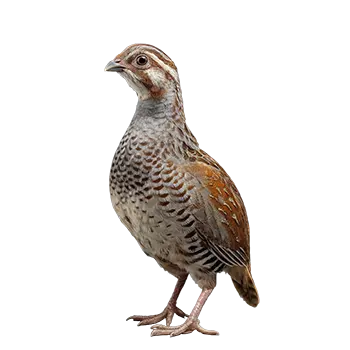

Coturnix Quail chicks are precocial birds, which means they hatch in a far more developed state than many other avian species. Within hours of emerging from the shell, a healthy Coturnix chick is covered in dense, patterned down, has its eyes fully open, and is already attempting to stand and move. This early mobility is a survival adaptation inherited from their wild ancestors, where ground-nesting chicks needed to follow the hen away from the nest site almost immediately after hatching. Despite this apparent hardiness, the first twenty-four hours remain a critical period that demands careful attention from the keeper.
A newly hatched Coturnix chick weighs between six and ten grams depending on egg size and incubation conditions. The chick should be left in the incubator until it is fully dry and fluffy, which typically takes two to six hours after the hatch is complete. Moving a wet chick into the brooder too early exposes it to rapid heat loss through evaporation, even if the brooder temperature is correct. Patience during this drying period pays dividends in chick vigor and early survival rates.
Once the chick is dry, transfer it to a pre-warmed brooder. The chick does not need food or water during the first twelve to twenty-four hours because it is still absorbing the remaining yolk sac, which provides complete nutrition and hydration during this window. Offering food and water too early is not harmful if the brooder is set up correctly, but a chick that has not fully absorbed its yolk sac will naturally show less interest in eating. By the end of the first day, healthy chicks should be actively pecking at feed and drinking readily.
Observe each chick carefully during this initial period. A healthy Coturnix chick is alert, vocal, and moves purposefully around the brooder. Chicks that remain huddled, refuse to stand, or show labored breathing may have hatching injuries, incomplete yolk absorption, or congenital issues that warrant close monitoring. Separate any chick that appears significantly weaker than its broodmates to prevent trampling, but keep it within sight and sound of the group whenever possible, as isolation adds stress to an already compromised bird.