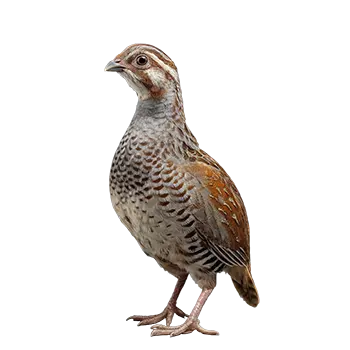

Adult Coturnix Quail are creatures of habit that thrive under consistent daily routines. Establishing a predictable schedule for feeding, watering, egg collection, and enclosure maintenance reduces stress, supports steady egg production in hens, and makes it easier for the keeper to detect deviations from normal behavior that may signal health problems. The daily time commitment for a small flock of Coturnix is modest compared to most other livestock, but the tasks themselves must be performed reliably and attentively.
Begin each day with a visual inspection of the flock. Open the enclosure and observe the birds before disturbing them. Healthy adult Coturnix are alert, responsive to their keeper's arrival, and eager for the morning feed. Note any bird that remains hunched in a corner, has closed or partially closed eyes, shows ruffled or unkempt plumage, or fails to move toward the feed when it is presented. These observations take less than a minute but are the keeper's first line of defense against emerging health problems.
Fresh water should be provided at least once daily, and twice daily during warm weather. Clean and refill all waterers, inspecting them for algae buildup, bedding contamination, or droppings. Water consumption in adult Coturnix averages approximately forty to sixty milliliters per bird per day under normal temperature conditions but can double or more during heat stress. Monitor water levels throughout the day during summer months to ensure the flock does not run dry.
Egg collection should occur at least once daily, ideally in the morning or early afternoon when the majority of eggs have been laid. Coturnix hens lay throughout the day but tend to concentrate their laying in the late afternoon and evening hours, with eggs from the previous day's laying period found in the morning. Prompt collection reduces the risk of egg eating, a learned behavior that is extremely difficult to extinguish once established, and ensures eggs are clean and suitable for consumption or incubation.
Spot-clean the enclosure daily, removing heavily soiled bedding from areas where droppings accumulate. A full bedding change should occur weekly or more frequently depending on stocking density and bedding type. Consistent maintenance prevents the ammonia buildup that damages respiratory health and keeps the enclosure dry, which is essential for foot health and parasite prevention.